Industry City
Overview
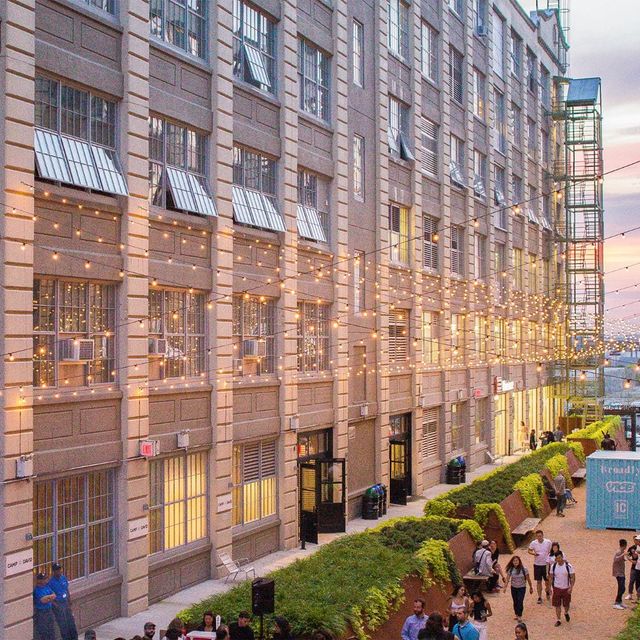
Industry City is a large waterfront complex in Sunset Park, Brooklyn. It sits within the historic Bush Terminal site, a former shipping, warehousing, and manufacturing powerhouse that helped shape how goods moved through New York City in the early twentieth century. Today, Industry City functions as a working campus of renovated factory and warehouse buildings with public courtyards, food and drink options, shopping, and a wide mix of industrial, creative, and office tenants.
Industry City is in Brooklyn between 32nd Street and 41st Street, close to Upper New York Bay. The campus is made up of multiple early twentieth century factory loft and warehouse buildings arranged in a grid with internal streets, passages, and open courtyards. The buildings were originally part of the Bush Terminal Company Industrial Colony, designed to bring rail access, loading docks, storage, and production together in one place. The site is built at a serious scale, with millions of square feet spread across many structures, so it feels more like a small district than a single venue.
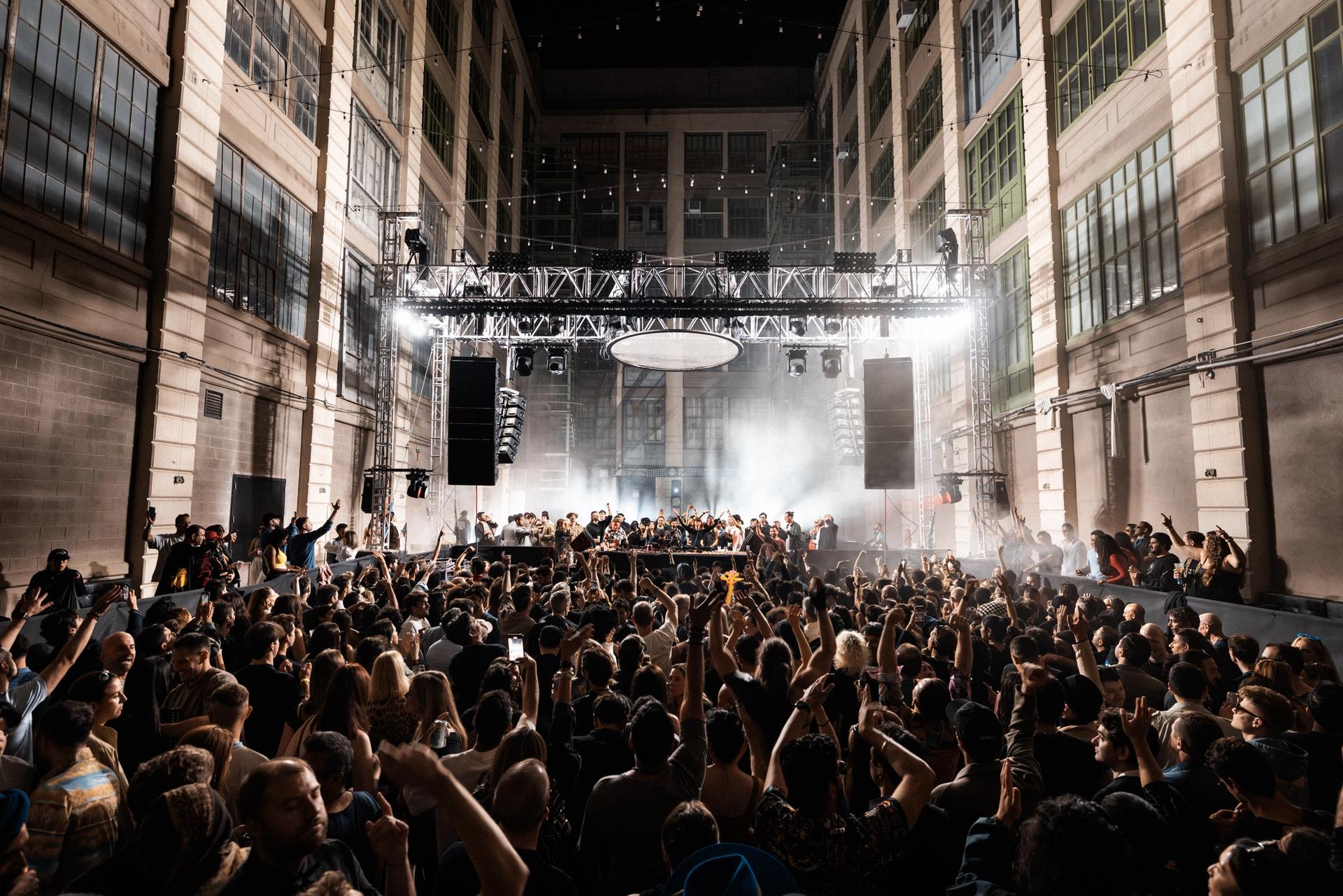
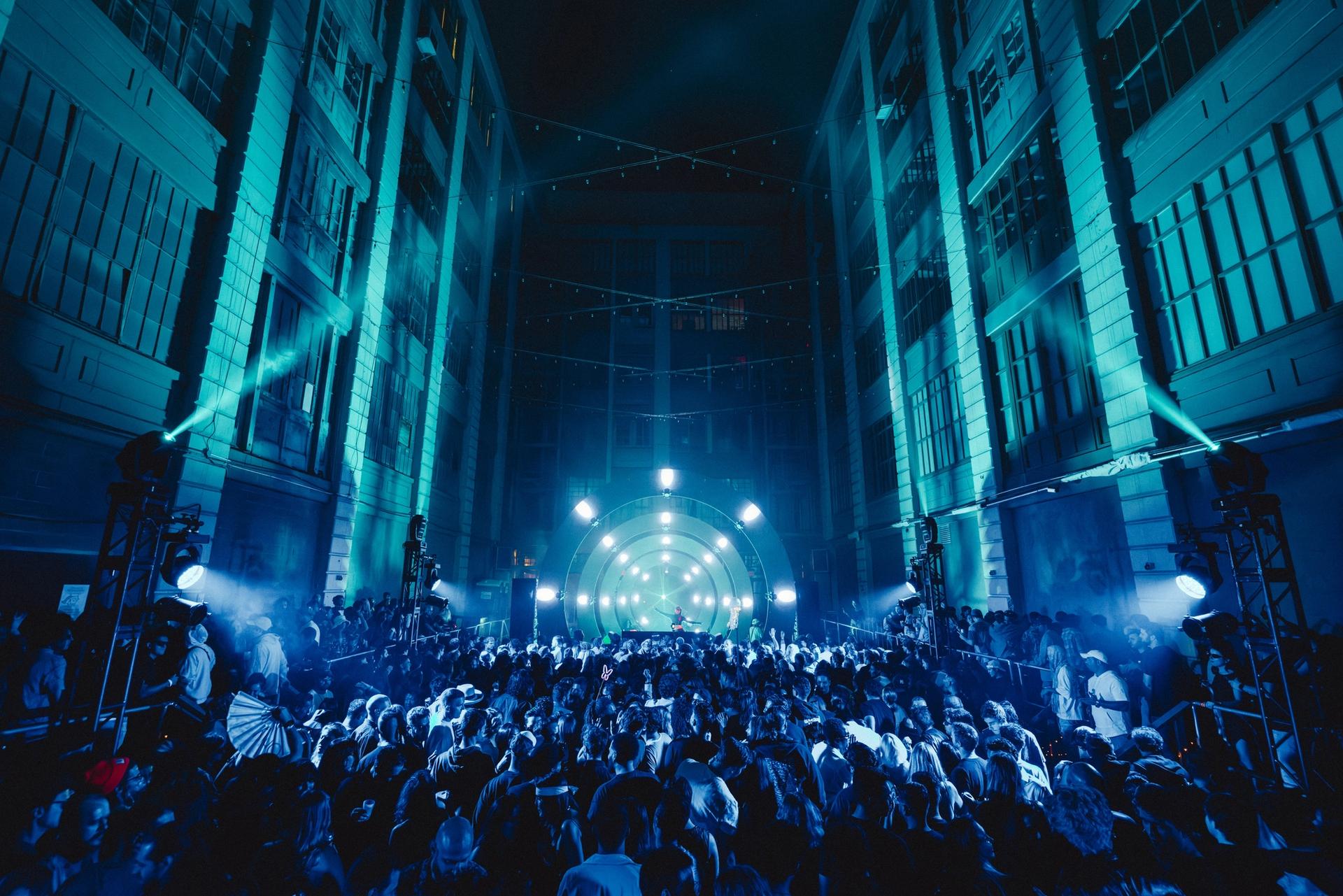
The modern version of Industry City is a mixed use industrial complex that still supports fabrication, production, and maker businesses, while also hosting offices, studios, retail, and visitor facing spaces. It is known for its walkable courtyards, rotating seasonal programming, and the way it blends active workspaces with places to eat, shop, and spend a few hours. On most days you will see a combination of people who work on site and visitors coming in for food, events, or a waterfront stroll.
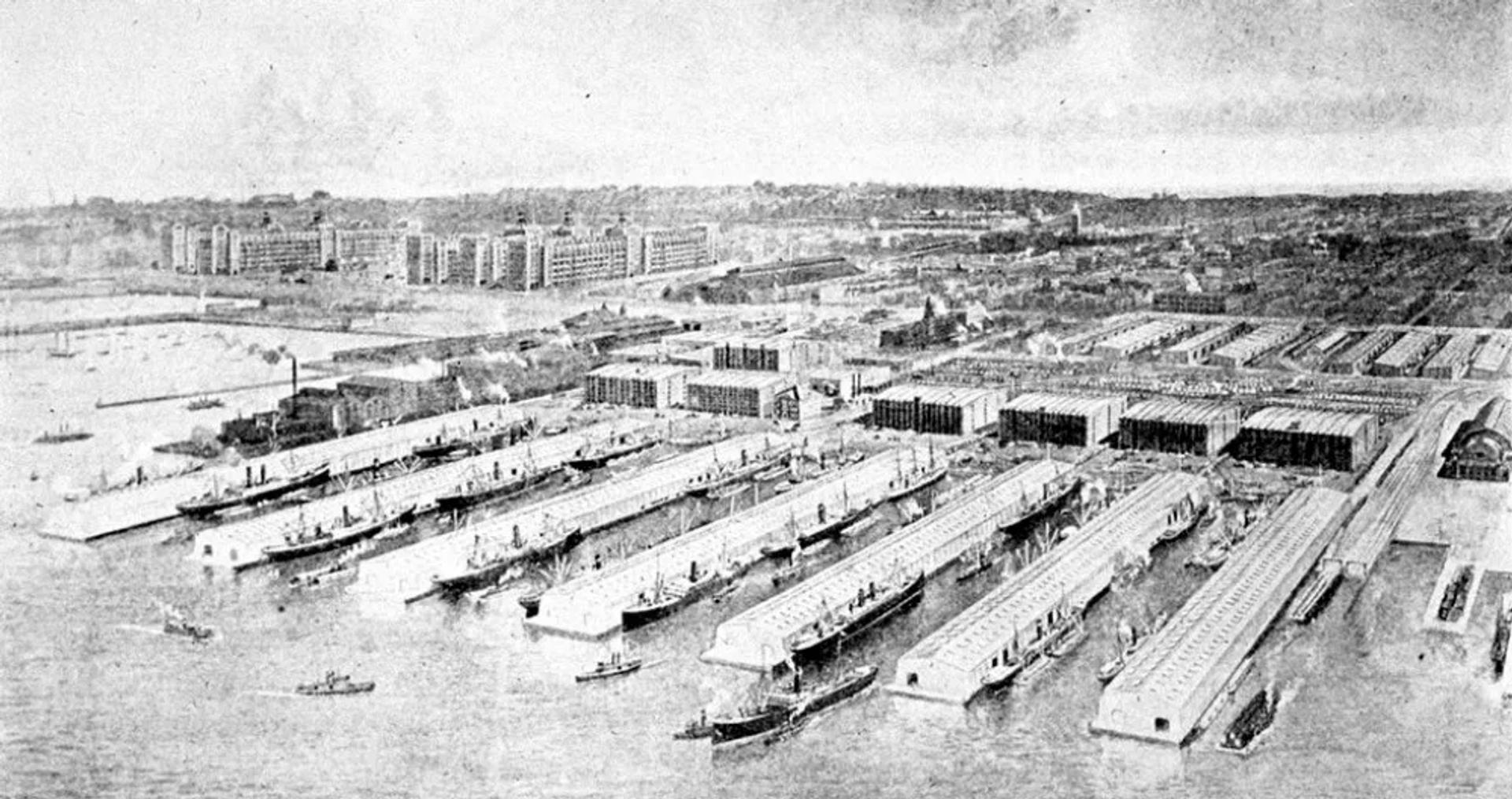
Industry City began as Bush Terminal, created by Irving T. Bush in the early 1900s. His idea was simple and powerful: connect ships, rail, warehouses, and factories so businesses could move goods efficiently without being spread across the city. The complex became one of the first major multi tenant industrial properties of its kind and grew into a major employment center. During World War I, parts of the site were used for military logistics and later returned to private control. Over time, changes in shipping, including containerization and the movement of port activity to New Jersey, reduced the waterfront shipping role the complex once played. By the 1970s, much of the original port infrastructure had been filled or repurposed, while the Industry City name remained in use.
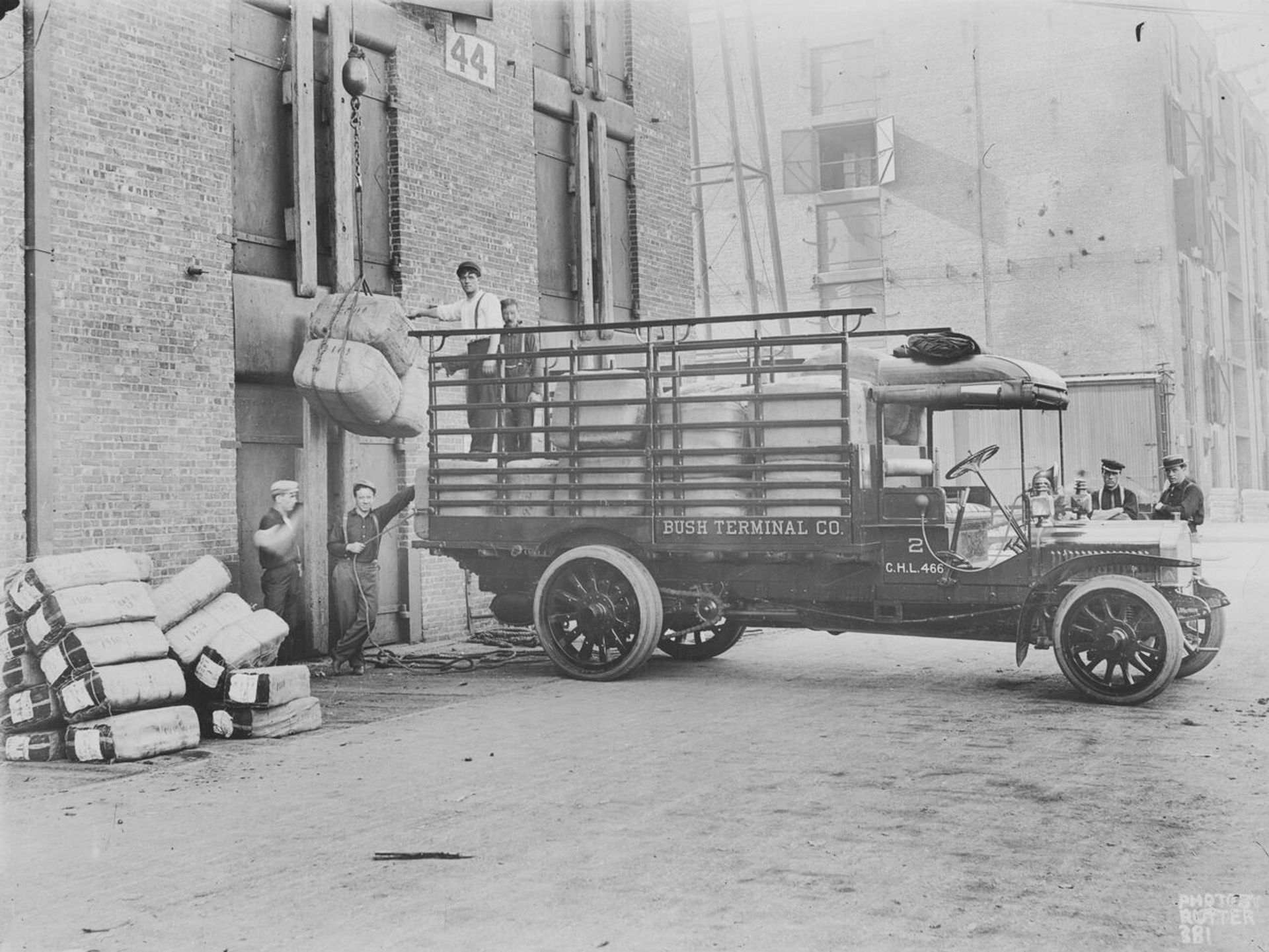
Even though most visitors experience Industry City through its courtyards and food areas, the bones of the place still tell the story of how it worked. Many sidewalks double as loading docks. The factory loft buildings were engineered for heavy use, including freight elevators, high load bearing floors, and sprinkler systems that were advanced for the era. The complex was tied to an internal railroad network that once stretched for miles on site and connected to larger rail lines, using car float barges to move freight cars across New York Harbor. Several piers once reached far into the harbor, built with rail tracks for direct loading between trains and ships.
Industry City is best experienced by walking the courtyards and exploring building by building. You will find clusters of casual food options, coffee, desserts, and sit down spots, plus retail ranging from small specialty shops to larger concepts. There is also a Japanese themed area that became a major draw for food and shopping. The open air spaces are a big part of the visit, especially when there are markets, screenings, pop ups, or seasonal installations running in the courtyards.
Directly south is the city operated Bush Terminal manufacturing section, which has been undergoing major renovation into the Made in NY campus aimed at film, TV, and fashion production. Along the waterfront, Bush Terminal Piers Park adds green space, fields, paths, and bay views. It is an easy pairing with Industry City if you want to turn a visit into a longer afternoon around the water.
Industry City is reachable by subway and bus, with the 36th Street area serving as the main transit anchor. Once you arrive, the campus is large, so it helps to think of it like a neighborhood you explore on foot. If you have a specific place in mind, using the building numbers and internal streets makes it easier to find, since entrances and corridors can vary by block.
Expect a mix of indoor and outdoor walking, with weather affecting how the courtyards feel. On weekends, it can get busy in the main public areas. Because many tenants are working businesses, some parts of the campus feel more industrial and quieter, while other sections are clearly visitor oriented.
Location
Past events
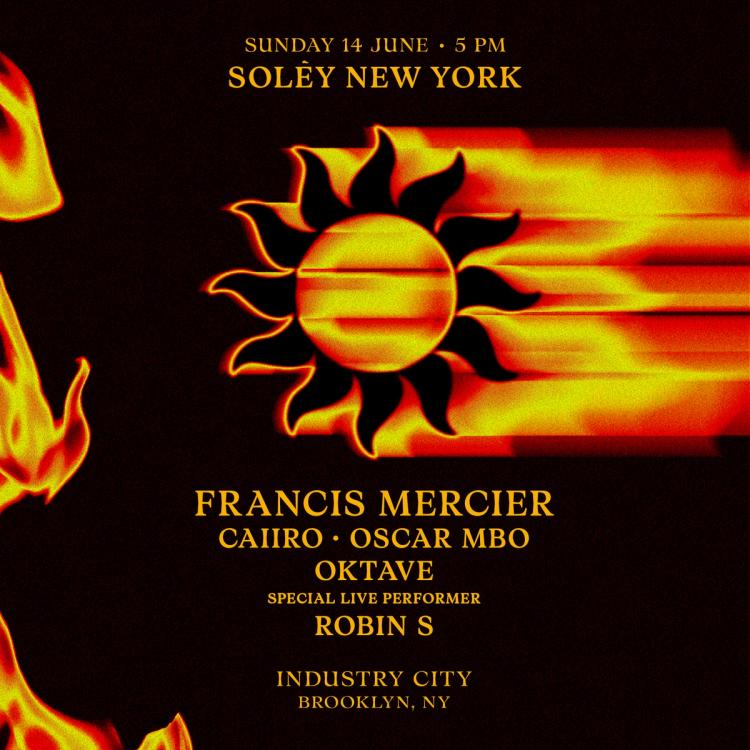
Francis Mercier with Caiiro, Oscar MBO, & Oktave
Industry City
Brooklyn, United States
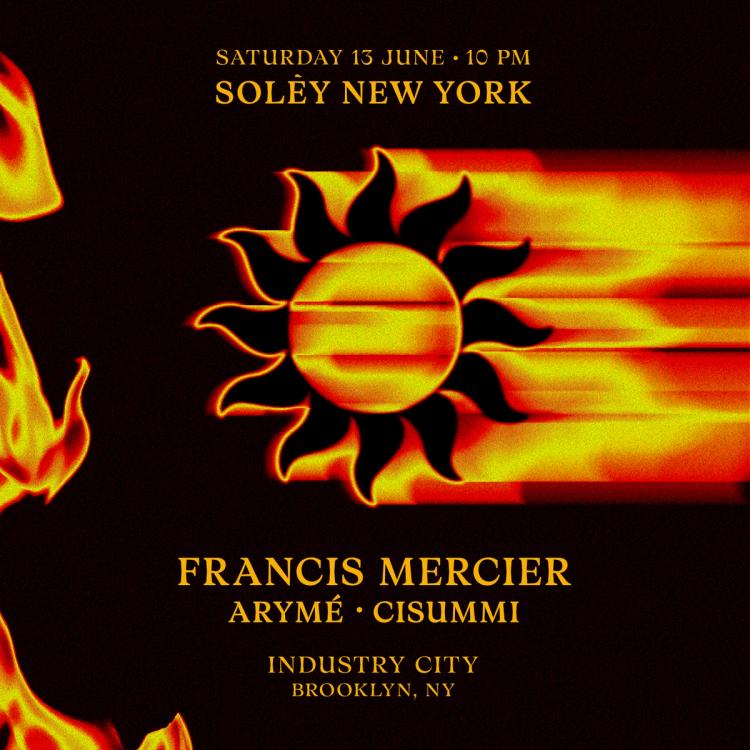
Francis Mercier with ARYMÉ & CISUMMI
Industry City
Brooklyn, United States
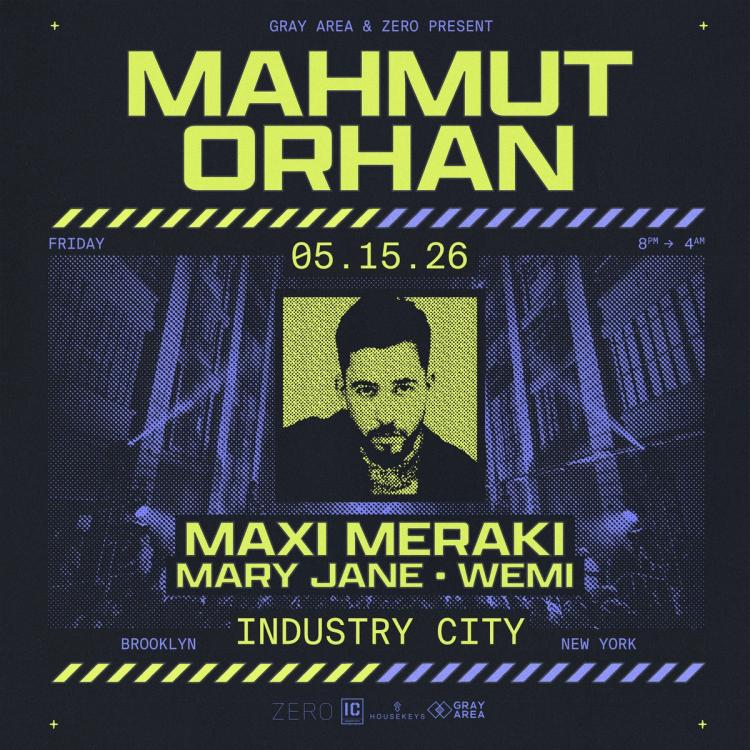
Mahmut Orhan with Maxi Meraki at Industry City
Industry City
Brooklyn, United States
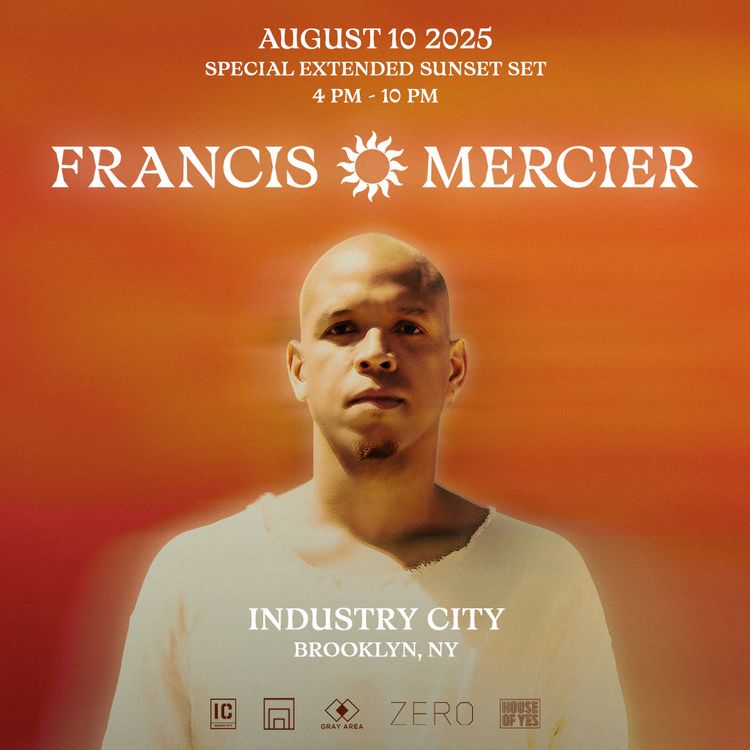
Francis Mercier with Caiiro, Oscar MBO, & Oktave
Industry City
Brooklyn, United States
Francis Mercier with ARYMÉ & CISUMMI
Industry City
Brooklyn, United States
Mahmut Orhan with Maxi Meraki at Industry City
Industry City
Brooklyn, United States