City Beats: Belfast
In our City Beats series, we explore underground scenes in cities all around the world, and this week we’re spotlighting Belfast in Northern Ireland.
Northern Ireland’s capital city is home to one of the UK’s most vibrant, exciting and talented dance music scenes. But they’re also up against a host of challenges. In this article, we catch up with Plain Sailing to find out all about the venues, club nights and communities that make this city tick – and learn more about the difficulties they must overcome in order to continue the party.
A Brief History of Belfast’s Dance Music Scene
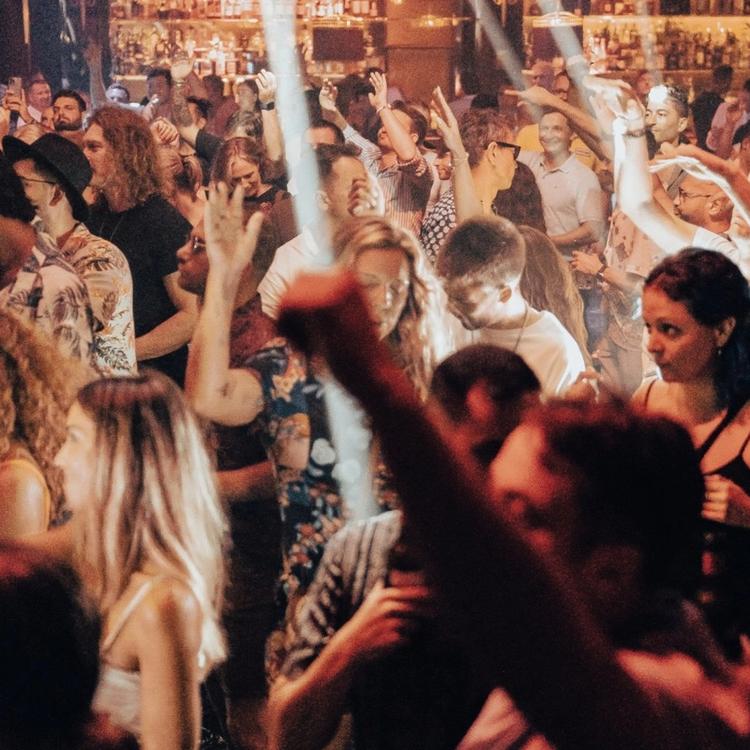
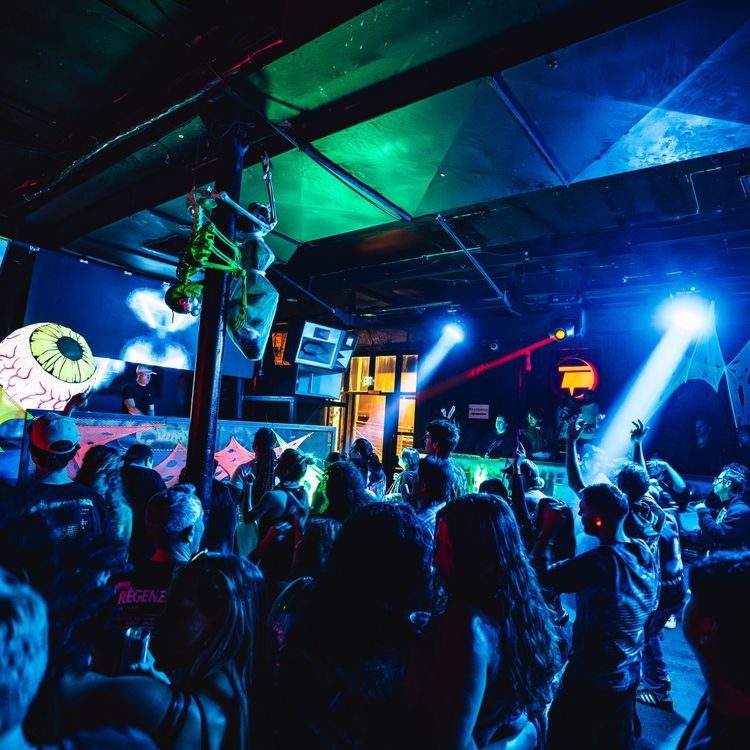
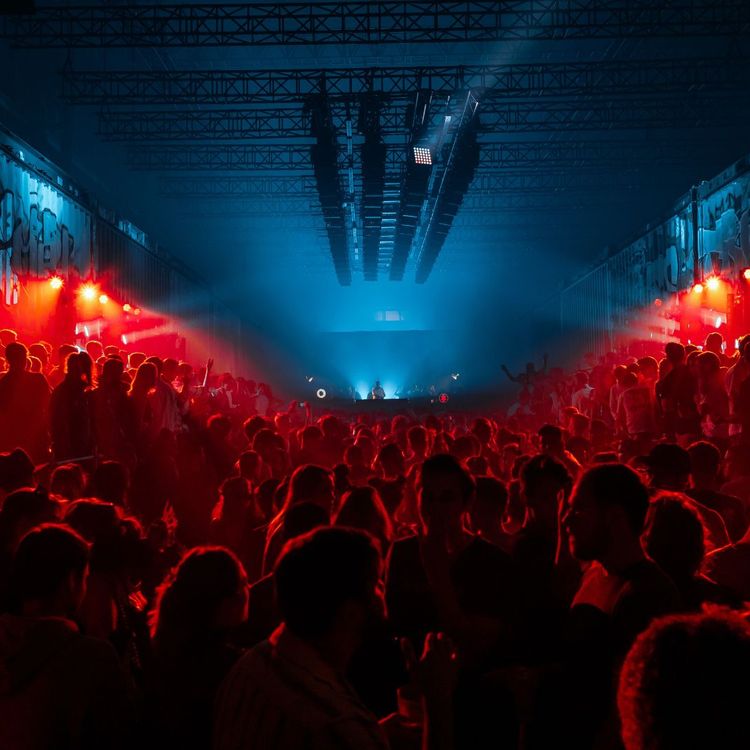
Ask most local Belfast heads how they got into dance music and they’ll probably cite multi-level night club Thompson’s Garage or Shine, a club night launched by Allen Simms in the early 90s. It’s a cliché now, but after 30 years of war (also known as The Troubles), these became the only spaces in Belfast where the opposing communities came together under one roof. Since then, Belfast’s music scene has become known for it’s unparalleled energy, good craic, warmth, compassion and exceptional talent. Some nights, the crowd gets so boisterous they punch walls through ceilings. Phil Lucas, one half of Twitch, has a piece of The Bunatee’s overhead panelling framed on his wall.
Historically, Belfast is techno and house-heavy, however since 2019 a variety of club nights and communities have worked hard to diversify that sound. But it struggles to retain its talent, with many local legends succumbing to the temptation of London, Amsterdam or Glasgow.
Venues and Event Spaces
Northern Ireland has the most restrictive licensing laws in Europe. That’s why DJ and producer Holly Lester and human rights advocate Boyd Sleator launched Free The Night, an organisation committed to creating a safe, progressive and culturally rich environment for nightlife in Northern Ireland and beyond.
Event spaces and venues are few and far between compared to the amount of promoters, artists and collectives that exist in the city, and with more and more clubs closing, Ulster Sports Club is one of the only mid-level venues supporting the scene. Andrew Moore, one half of Plain Sailing, says this limit on venue options forces promoters to turn to alternative spaces in order to build a sustainable infrastructure.
“In terms of venues, there's been a real shift recently,” Andrew says. “A lot of promoters are focusing more on the after hours scene. Licensed spaces are still used and it’s important they’re supported, but with few to choose from it has forced people’s hands. Places like RAW and Rúnda Studio provide the types of experiences that you usually need to go to Berlin or London to capture. RAW is particularly interesting as it’s a regeneration project. In the absence of appropriate licensing laws and opportunity, the community finds a way to survive. That feels very appropriately Belfast.”
“The Night Institute, headed by Timmy Stewart and Jordan Nocturne, are also running a pretty interesting concept through December,” Andrew continues. “They've been given the keys to a licensed space that they plan on turning into a multi-room, music-focused space.”
Live Music, Promoters and Collectives
Andrew says Belfast’s live music scene is thriving, with bands like Chalk, Enola Gay, Huartan and many more flying the flag. Ulster Sports Club is the main destination in the city for live music, hosting all sorts from hip-hop to punk to left-field electronica.
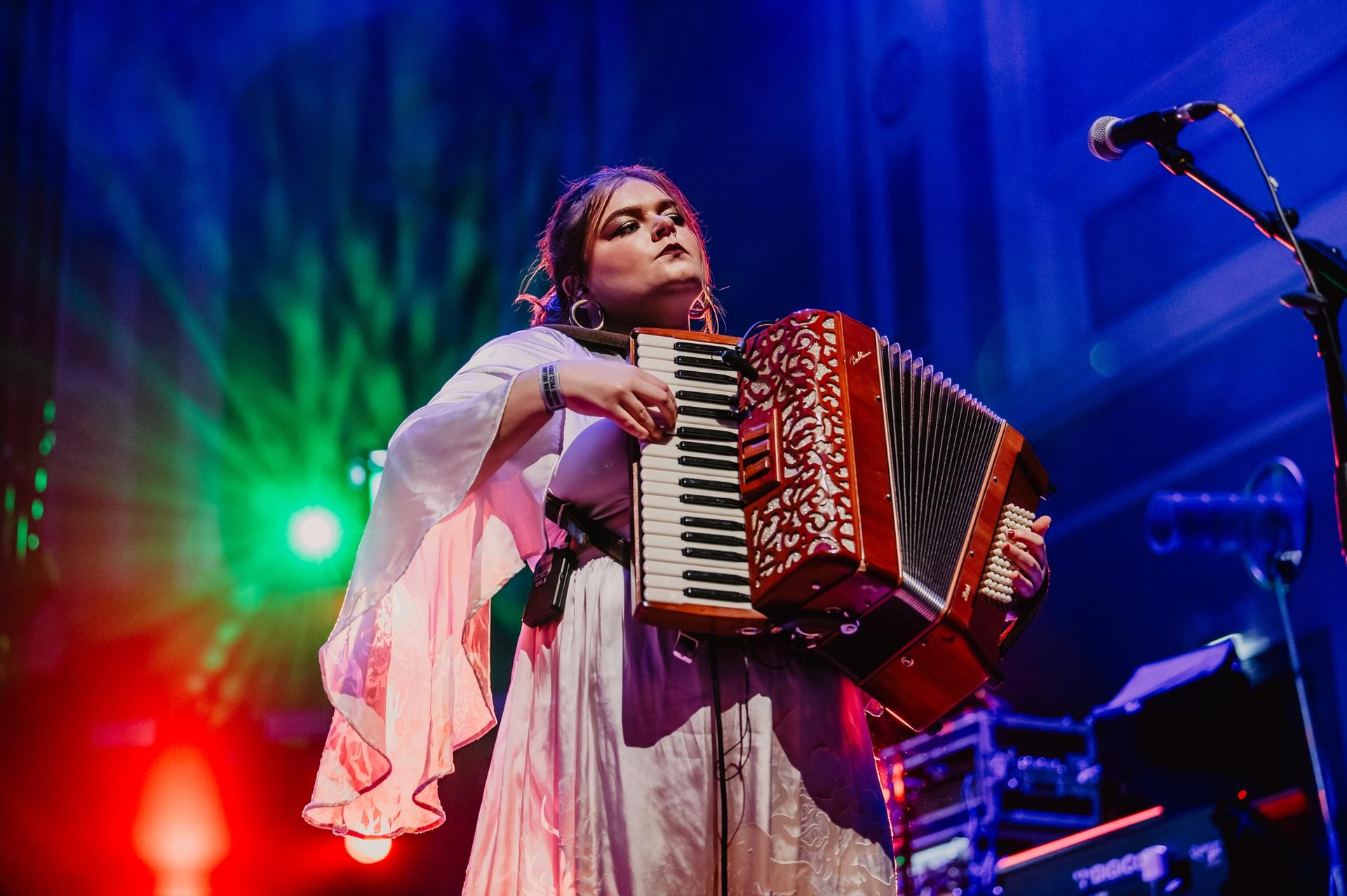
“In terms of promoters and DJs doing cool things - Social Sounds, Call & Response, Sound Advice: After Hours (Conor Schmtz and Marion Hawkes) are all people I respect,” Andrew says. "Never Never run a night here called The Mush Room which is pretty cool too; focusing on more downtempo, weirdo sounds. Maybe I'm just getting older, but that type of thing is appealing to me more and more these days. Head Above Water is also a really cool party, headed by ByPhil, focusing on sounds from across the house spectrum and exclusively vinyl. We've got some amazing producers around as well. Matheson and Optmst are probably my two favourites.”
The Challenges
Belfast has quite a few problems to overcome. One is the issue of talent leaving, creating a brain drain heading towards London. Another is the government’s complacency when it comes to licensing laws and prioritising the night time economy. “Recently, our Communities Minister, Gordon Lyons, wasted an incredible amount of public money in ignoring The University of Stirling's independent license review in Northern Ireland,” Andrew says.
As a result, he says the scene at the moment exists, but it’s tough. “There's still a few passionate individuals doing their thing,” Andrew says. “I've read too many features and interviews that describe our scene as 'thriving' or whatever; that just isn't true. Promoters are still increasingly finding it hard to shift tickets in advance, selling the majority on the door and mostly to people who just want a little extra drinking time, so the vibe gets somewhat lost.”
Andrew says that wider interest outside the scene has diminished, and the circle of people genuinely into the culture is smaller, perhaps because of COVID or because of high costs or because students aren’t going out as much. But there is a positive side to that, too.
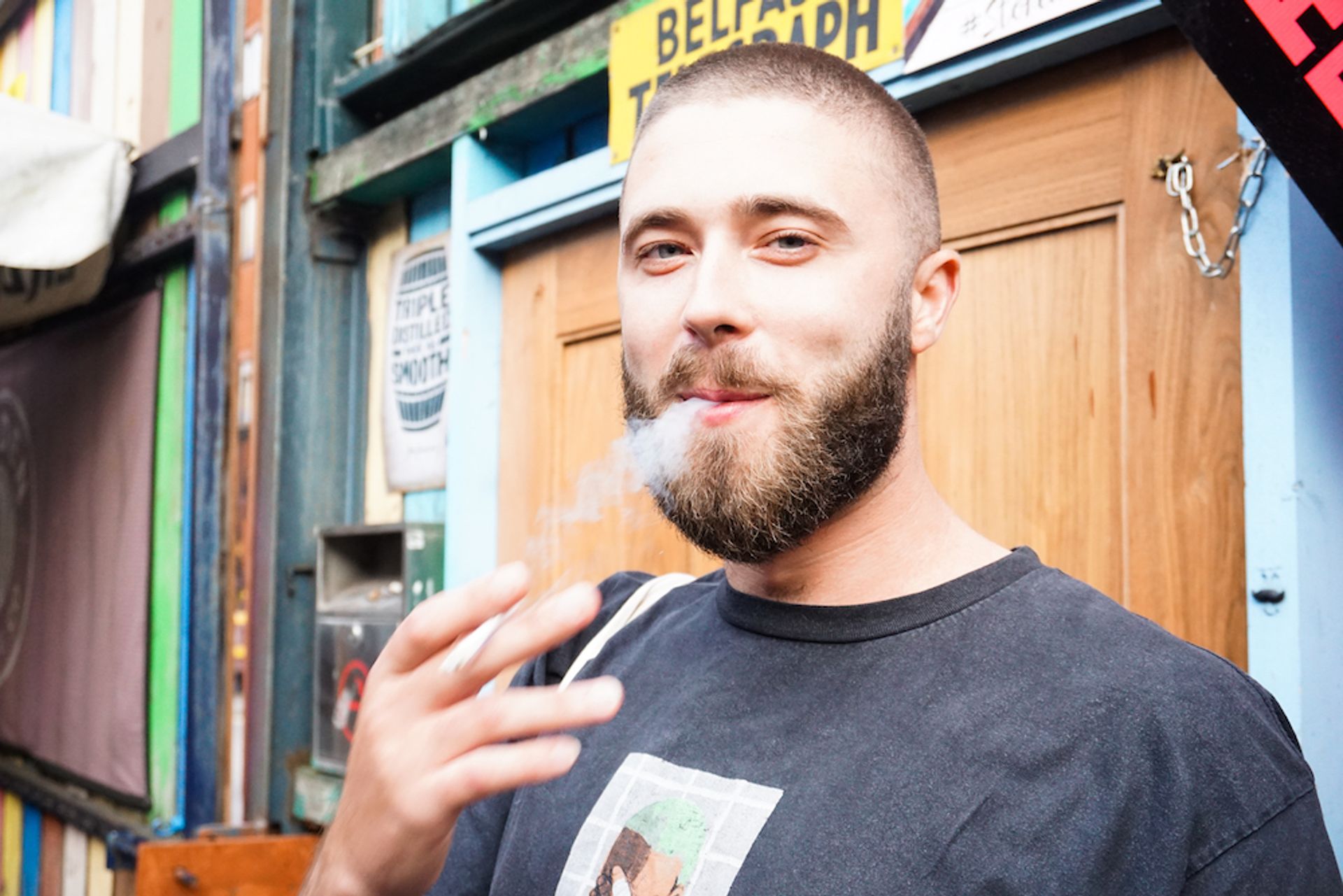
“For one, it means the people at your nights actually really want to be there,” Andrew says. “The focus shifts from how can I get 300 people into a room to I want to make sure the 50 people coming to this are really into it.”
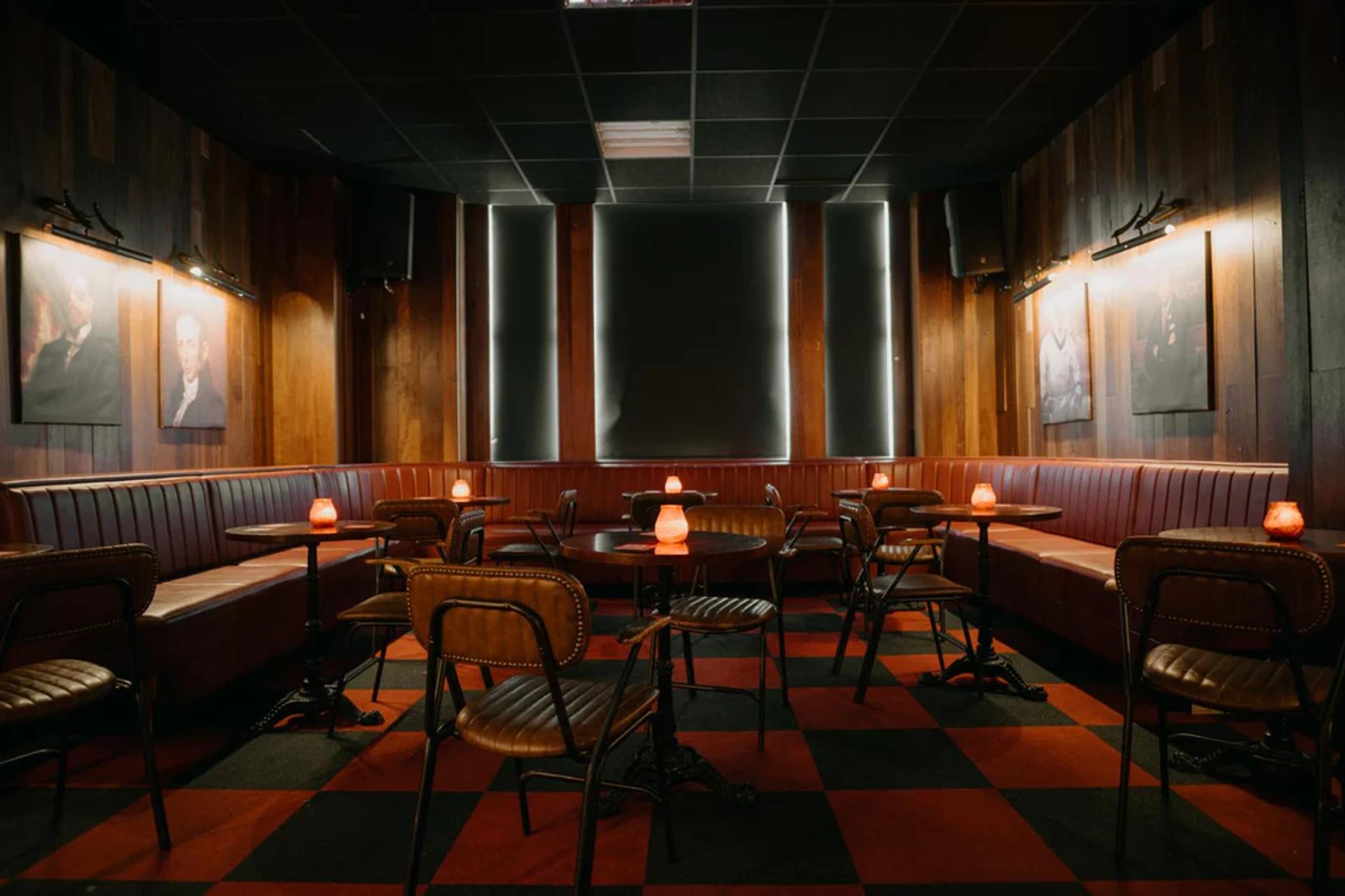
So promoters are opting for smaller spaces in favour of larger rooms. Andrew says places like the Committee Room in Ulster Sports Club or Rúnda Studios are becoming increasingly popular, with vibes topping profit. “You might not make as much money on the door due to the capacity, but at least you feel fulfilled and a part of something bigger than yourself, with the emphasis on community,” Andrew says.
Looking to the Future
Belfast is a city built on resilience, personality and DIY spirit. This scene knows how to meet challenges head on, and find creative ways to express themselves. That’s why it teems with talent, and why artists and promoters stick around to continue to build their scene.
“Those within the small electronic music community are super supportive and it's the main reason I'm still living here despite the obstacles we face every day,” Andrew says. “I honestly couldn't see myself anywhere else at this point, and it's so important that we keep those that are so passionate about it here.”