Inside Nico de Andrea’s Former Bowling Alley Home

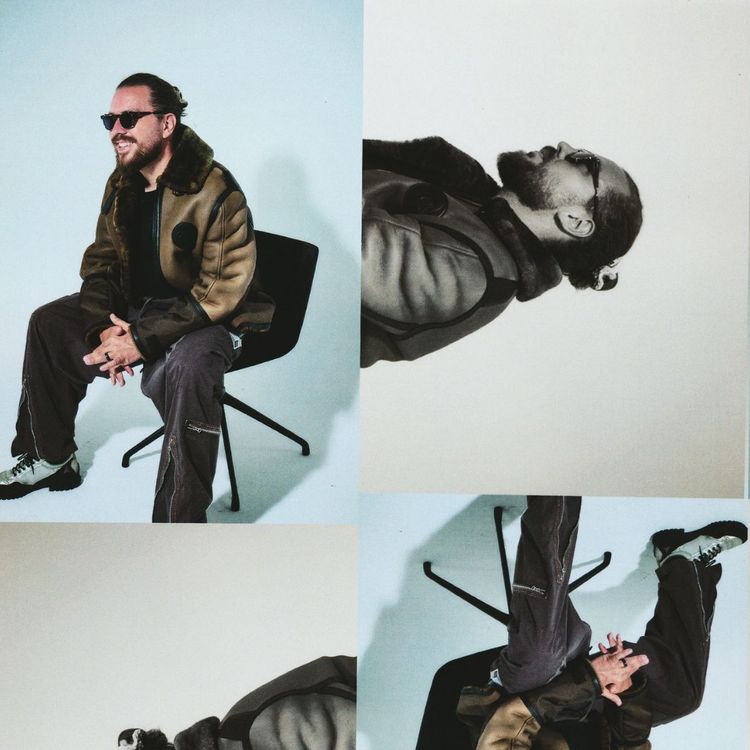
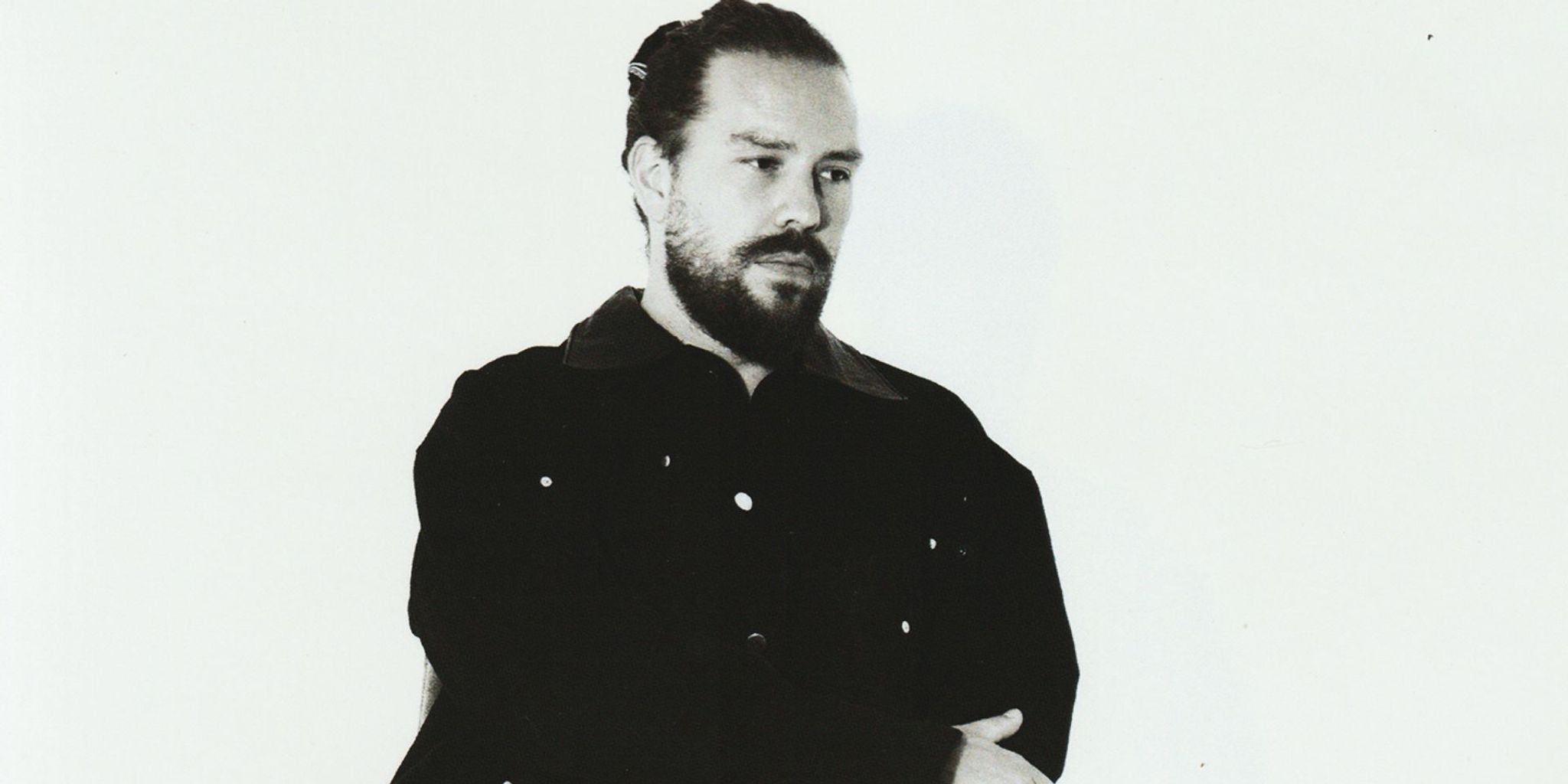
Most people know Nico de Andrea through records like Ethnica, Disappear, and Hold Tight, or from his performances everywhere from Pacha Ibiza to Miami and Tulum. The French producer has spent years building a name within house music, collecting more than 40 million streams and earning support from names like Black Coffee, Keinemusik, Solomun, and MK along the way.

But behind the tours, club sets, and studio sessions, Nico might have one of the more unexpected living situations in dance music right now.
He lives in a former bowling alley.
Not metaphorically. Literally.
Located in Montreal’s Saint Henri neighborhood, the space used to operate as an actual bowling alley before Nico and his family transformed it into a massive home and gathering space centered around music, creativity, and community.
Nico was kind enough to share photos of his humble abode.
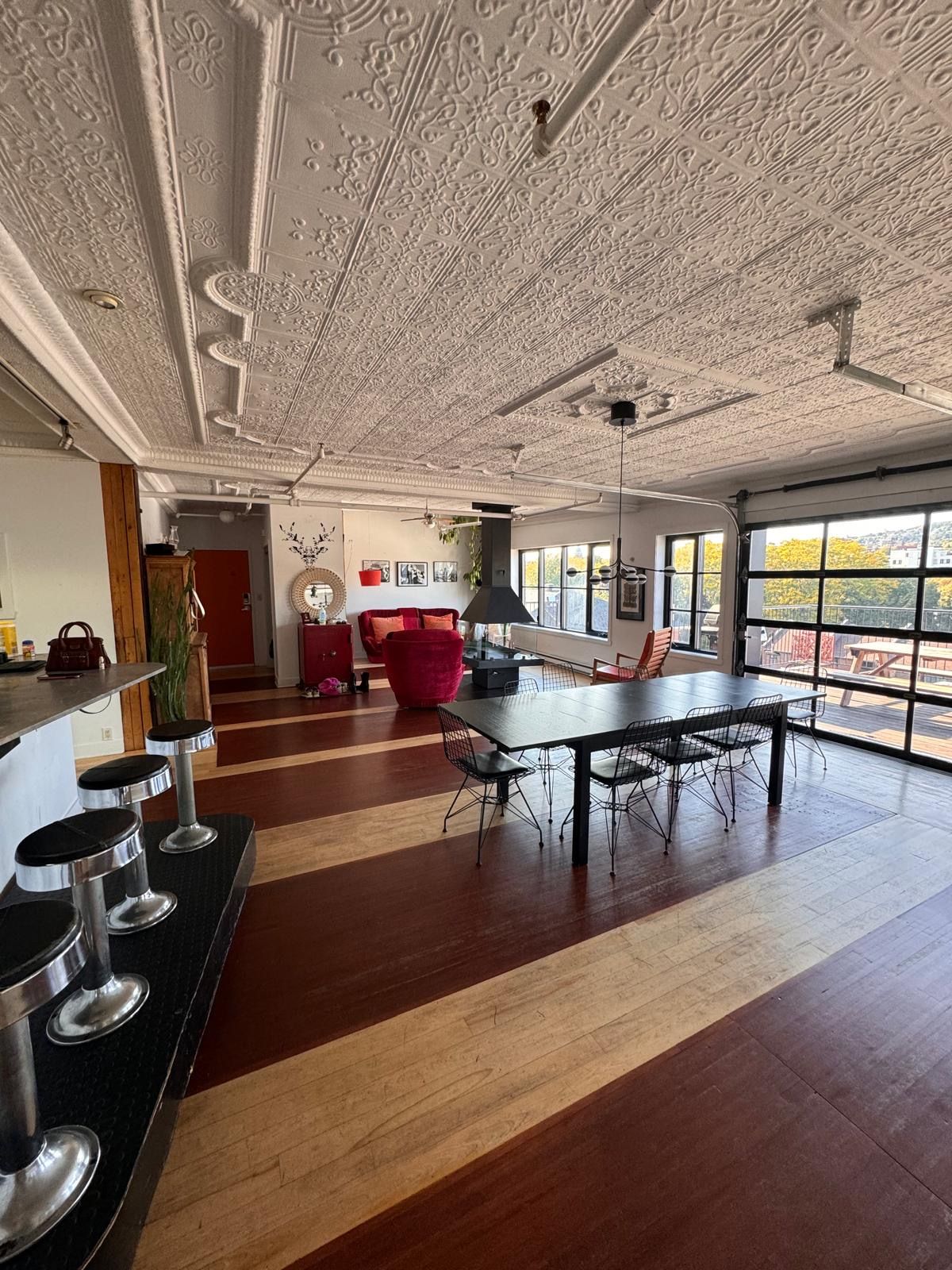
“It’s a 5,000 square foot creative space that used to be an old bowling alley in Montreal’s Saint Henri neighborhood,” Nico says. “We wanted to both live in it and, more importantly, use it as a space where we could welcome friends, musicians, and family : somewhere people could feel good and where we could create a beautiful environment to make music.”
Honestly, it tracks.
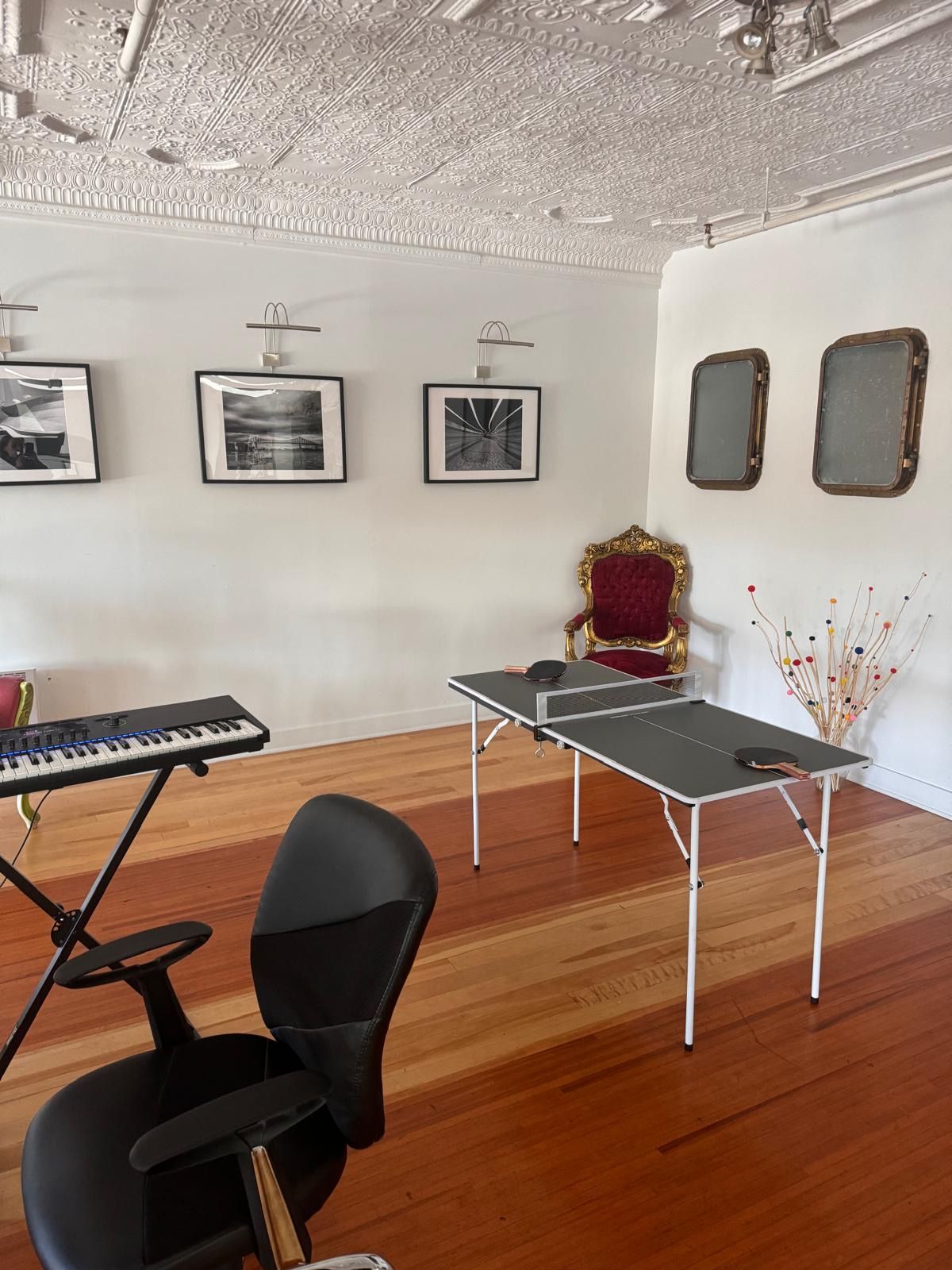
For someone whose music leans heavily on emotion, atmosphere, and human connection, the idea of turning an abandoned recreational space into a home studio hybrid somehow feels perfectly aligned with the world he has built through his music. Instead of treating home as a place disconnected from work, Nico blurred the two together into one environment designed around creativity and togetherness.
And yes, there may have been another influence behind the decision.
“I’m also a huge fan of The Big Lebowski, which must subconsciously be one of the reasons that led me to live in this space :)”
That detail alone makes the story even better.

While many artists spend years chasing sterile luxury studios or isolated compounds, Nico’s setup feels more personal and lived in. You can picture long studio sessions turning into dinners with friends, records being tested out at full volume, or conversations stretching late into the night after returning from tour.
It also says something about where Nico currently is in life. Despite the growing attention surrounding his music, his answers offstage often come back to the same themes: family, peace, familiarity, and finding balance outside the club world. Montreal has become home for him, and this former bowling alley seems to reflect exactly why.
For house music fans, stories like this are a reminder that artists are often far more interesting outside the booth than people realize. Sometimes the best details have nothing to do with charts or streams. Sometimes it’s simply the fact that one of the scene’s most recognizable French producers lives inside an old bowling alley and somehow made it feel cool again.