Are DJ Booths Finally Getting It Right?

For years, the DJ booth was treated like a necessary evil. Tucked away, raised above the crowd, packed with gear and cables, functional, but rarely something you actually thought about. That is changing fast.
In 2026, the booth is no longer just where the DJ stands. It is becoming part of the experience itself. Not in a flashy, over the top way, but in a way that subtly shifts how the night feels, how the crowd moves, and how connected everything becomes.
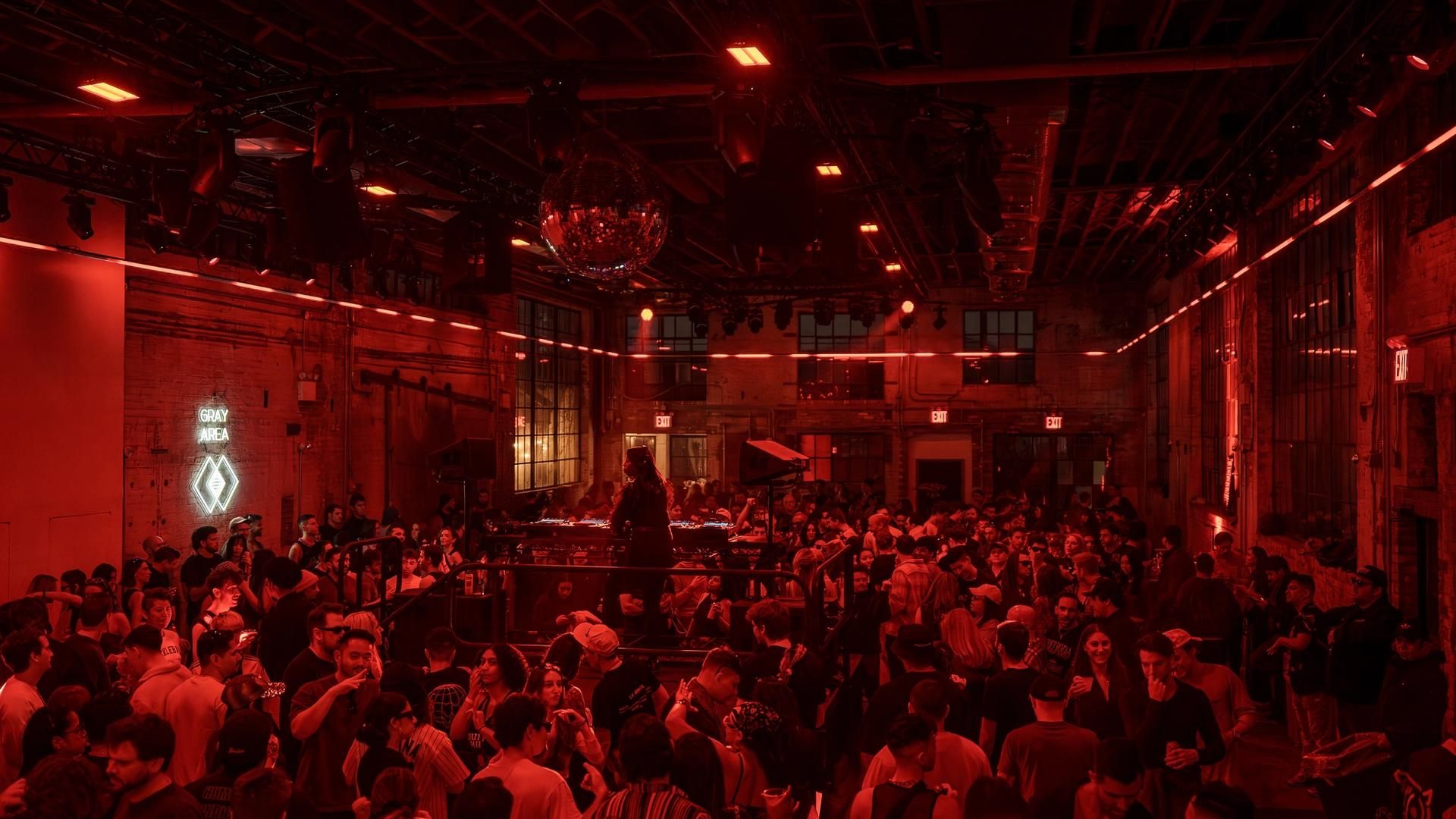
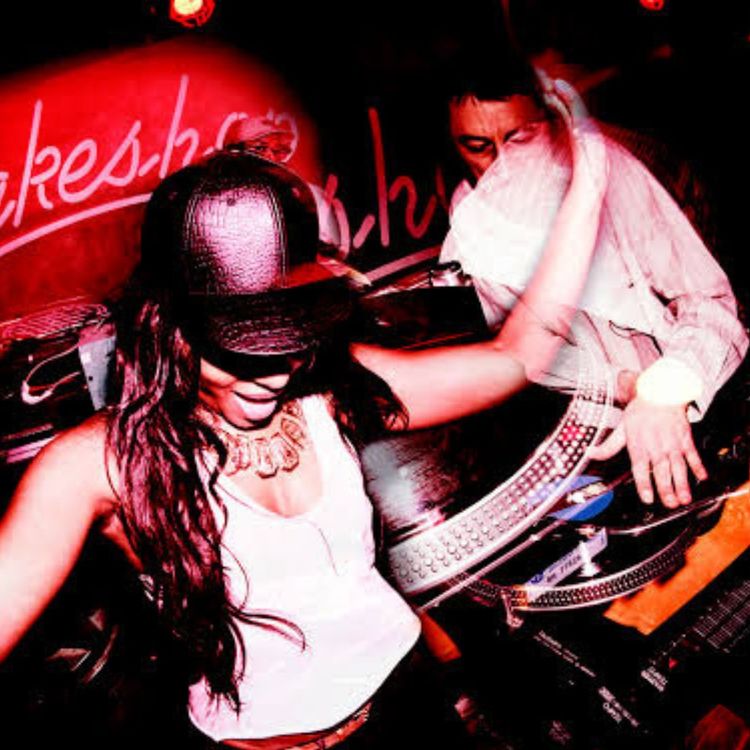
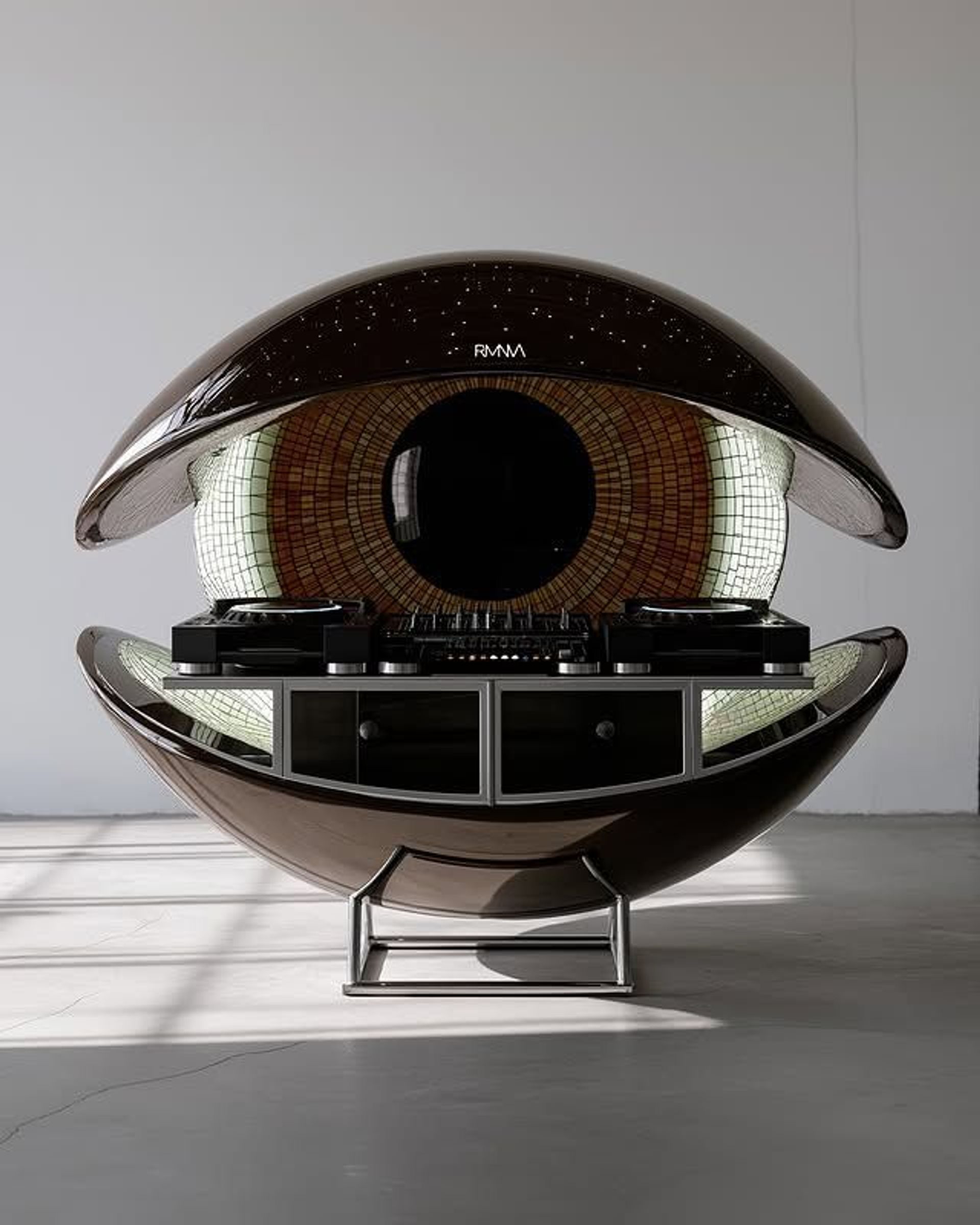
You are starting to see it everywhere. Booths designed like sculptures. Curved setups that blend into the dancefloor. DJs no longer towering above everyone, but standing right in the middle of it. It is less about separation and more about presence.
One of the biggest changes is visual. Booths are now being designed with intention, color, shape, and material all playing a role. Think bold structures, unexpected finishes, and layouts that feel closer to art installations than equipment stands. This is not about showing off. It is about creating an environment that feels considered from every angle.
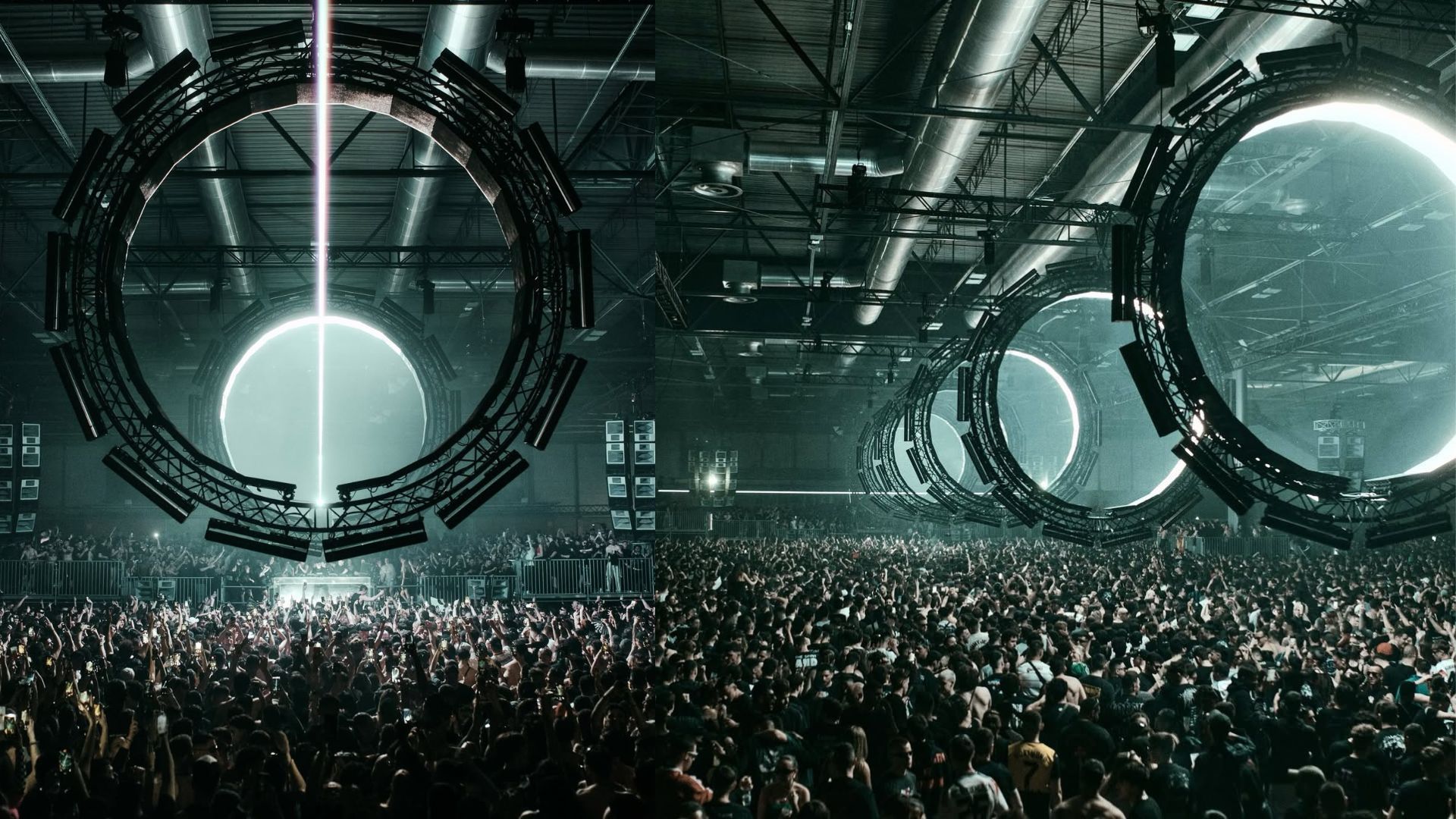
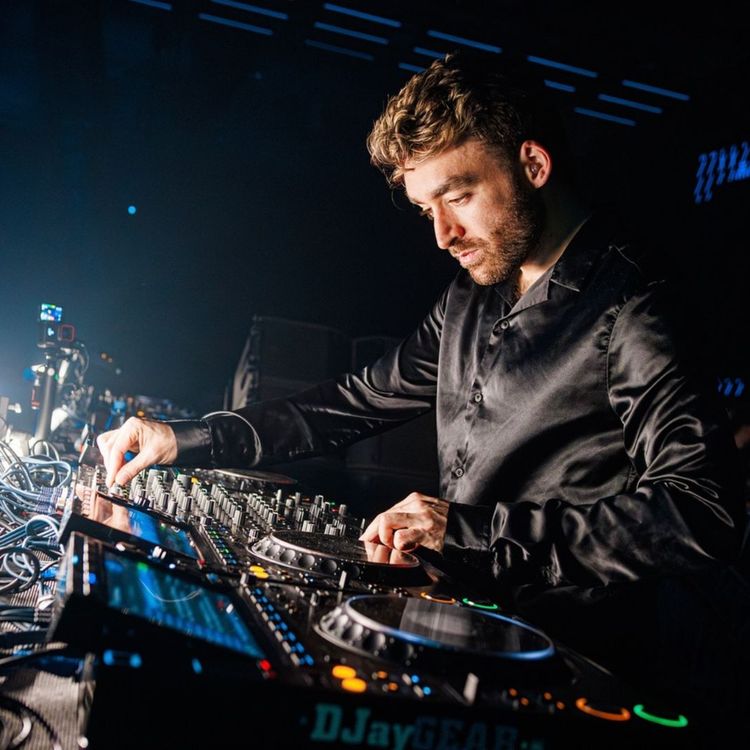
At the same time, what is happening behind the decks is more complex than ever. DJs are not just mixing tracks, they are layering stems, triggering loops, blending vocals, and building something that changes in real time. That shift has forced booth design to evolve. There is more gear, more movement, and a real need for space that actually works with the performer instead of against them.
So instead of fixed setups, flexibility is becoming key. The same booth might need to support a solo set one night, a back to back the next, and a 360 degree setup the weekend after. Modular designs are popping up that can be reconfigured depending on the room, the artist, or even the vibe of the party. It is a practical change, but it also opens the door for more creative setups.
The bigger story, though, is what is happening between the DJ and the crowd.
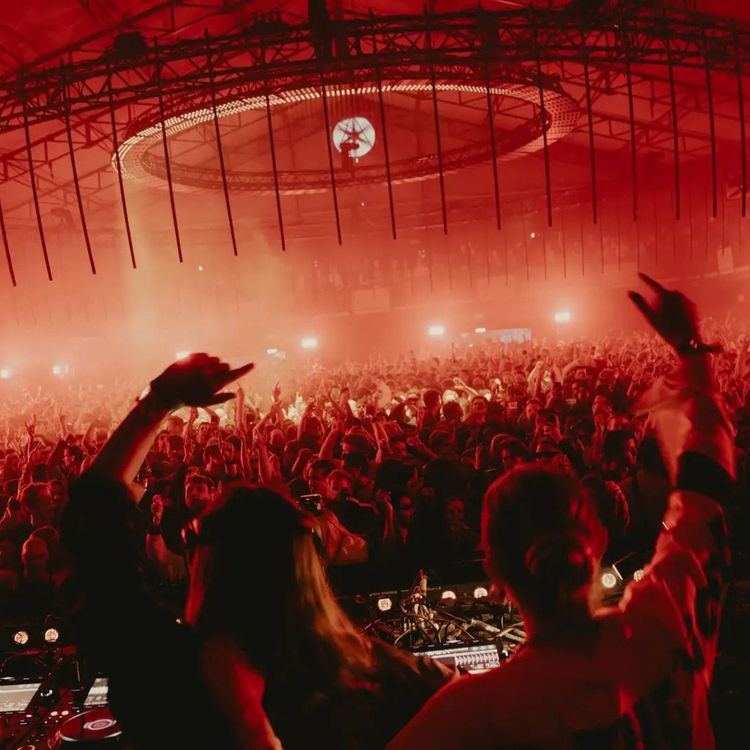
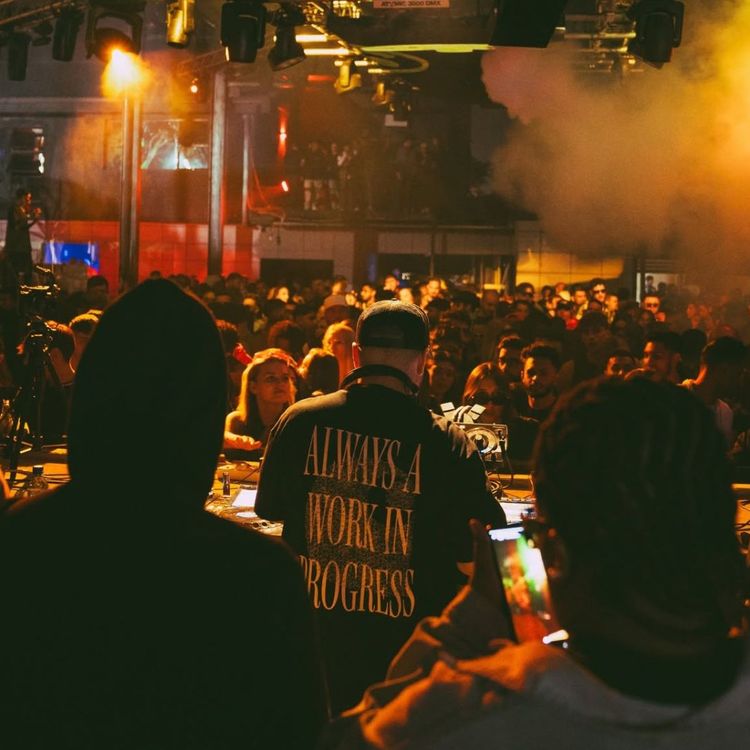
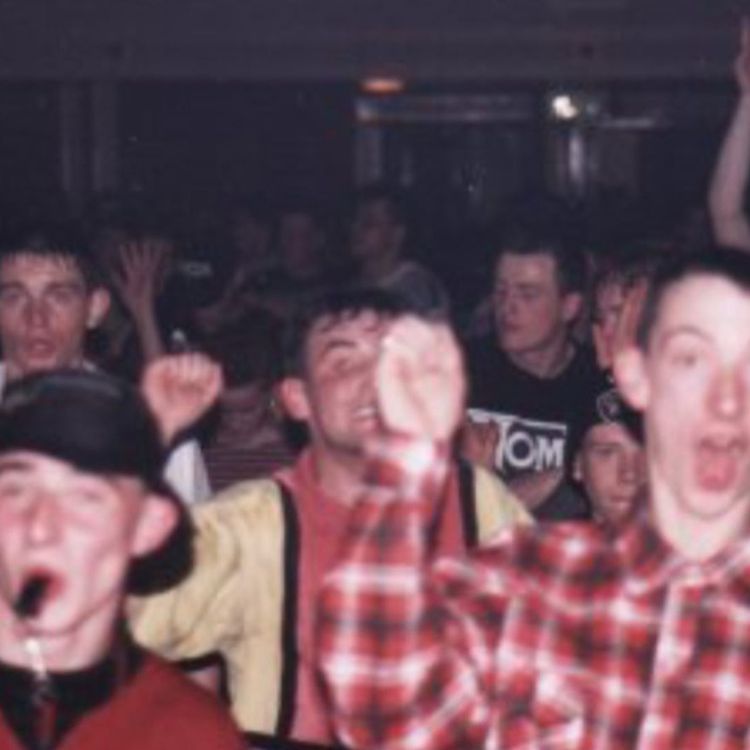
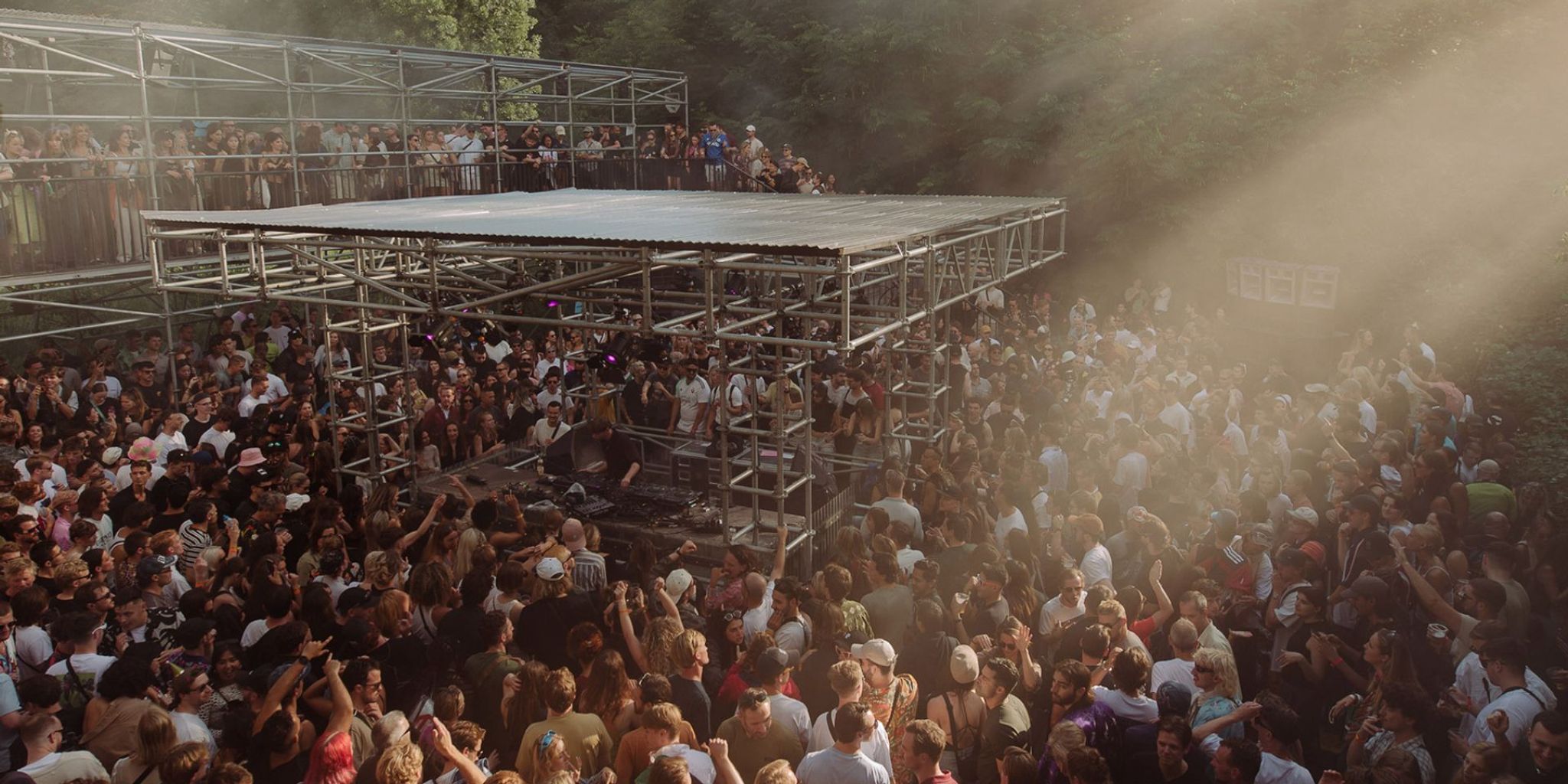
There is a clear move away from the old “DJ on a pedestal” setup. More venues are lowering booths to floor level or placing them right in the middle of the room. Instead of looking up at the DJ, you are standing next to them, moving with them, catching every small moment as it happens.
That shift changes everything. The energy becomes more immediate. The connection feels more real. You are not watching a performance, you are part of it.
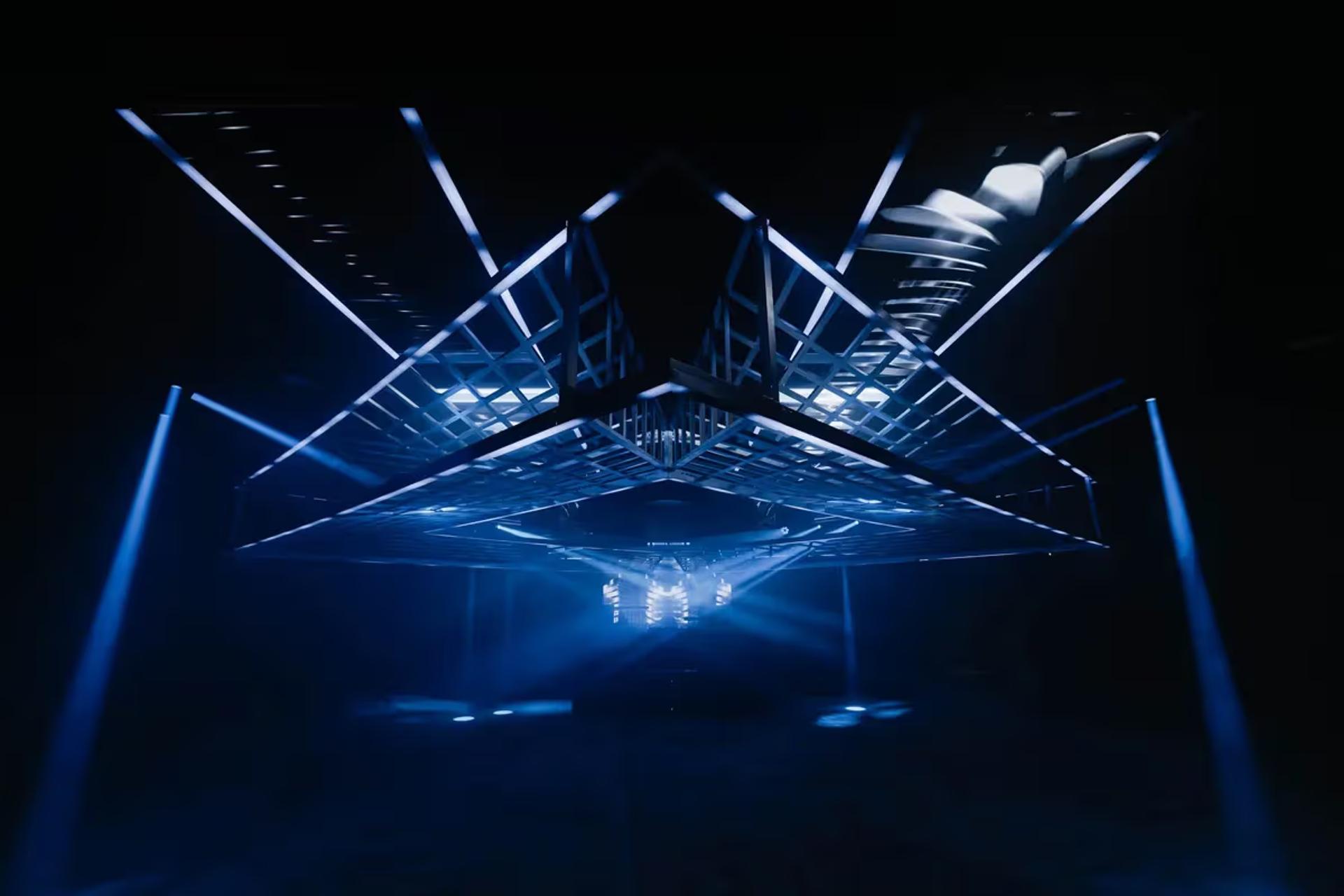
It also reflects something deeper about where dance music is right now. After years of massive stages and phone heavy crowds, there is a growing desire to bring things back to something more human. Less distance. Less spectacle. More shared experience.
Lighting plays into this too. Instead of being something that just hits the DJ from above, lighting is now being built directly into the booth itself. Screens, LEDs, and reactive elements turn the booth into a living part of the room. It moves with the music, not just around it.
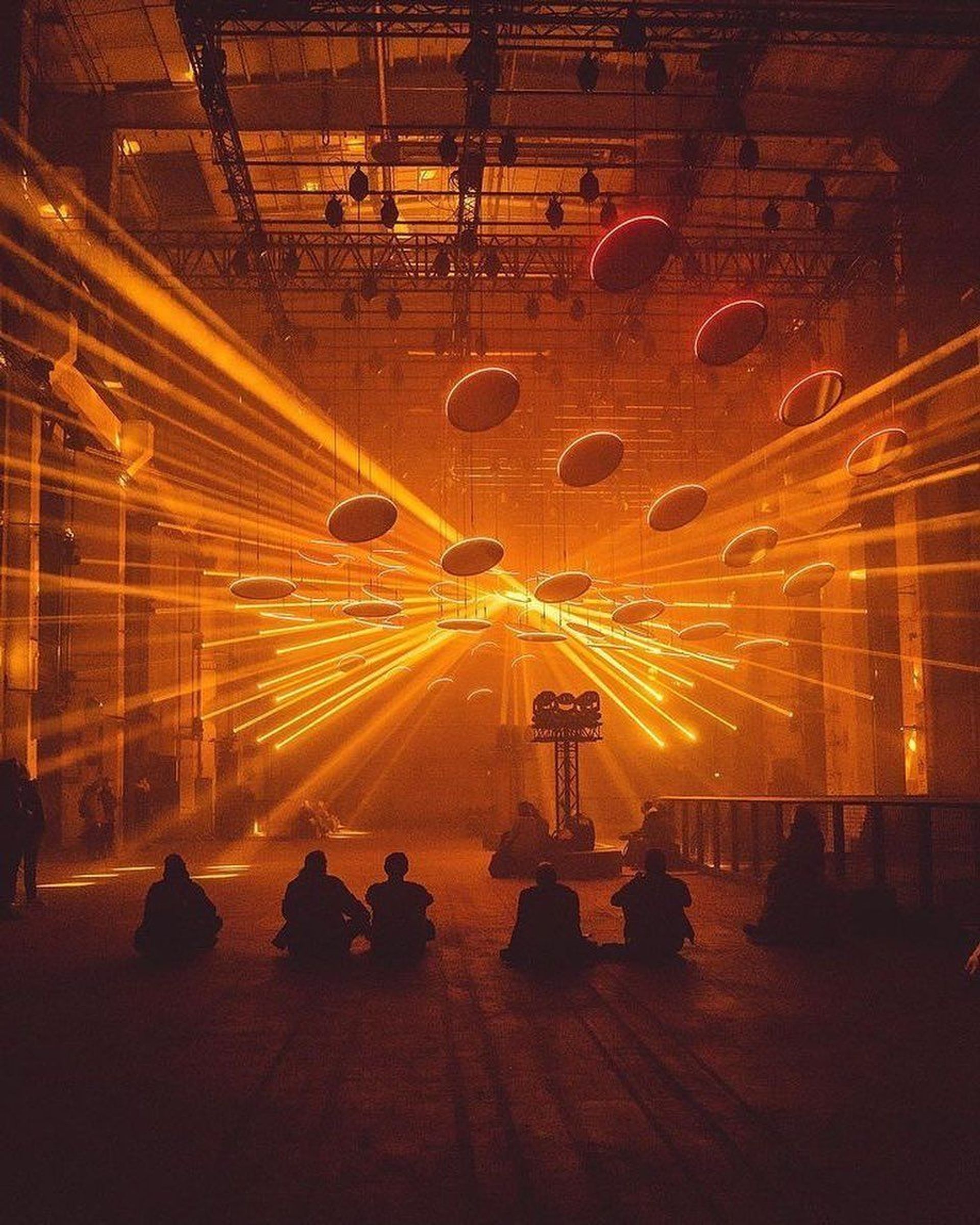
And yes, it looks great on camera, but more importantly, it feels different in person. The booth is not just where the DJ stands. It becomes the center of gravity for the entire space.
What is interesting is that none of this feels forced. It is not a trend chasing attention. It is more like a natural response to how people want to experience music right now.
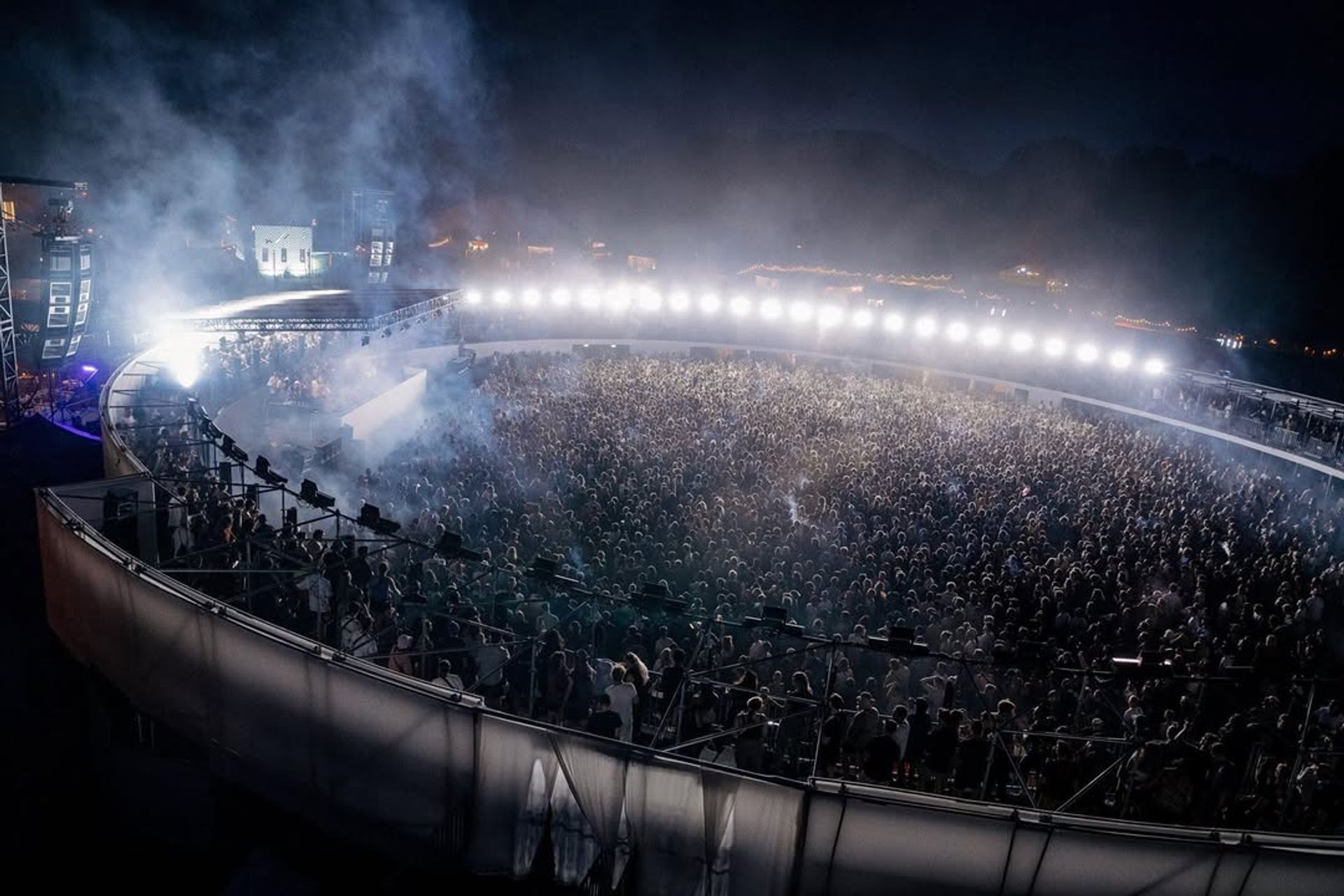
Closer. More immersive. Less divided.
The DJ booth used to be something you barely noticed. Now, it is quietly becoming one of the most important parts of the night.