Carl Craig and the Story of Detroit Love

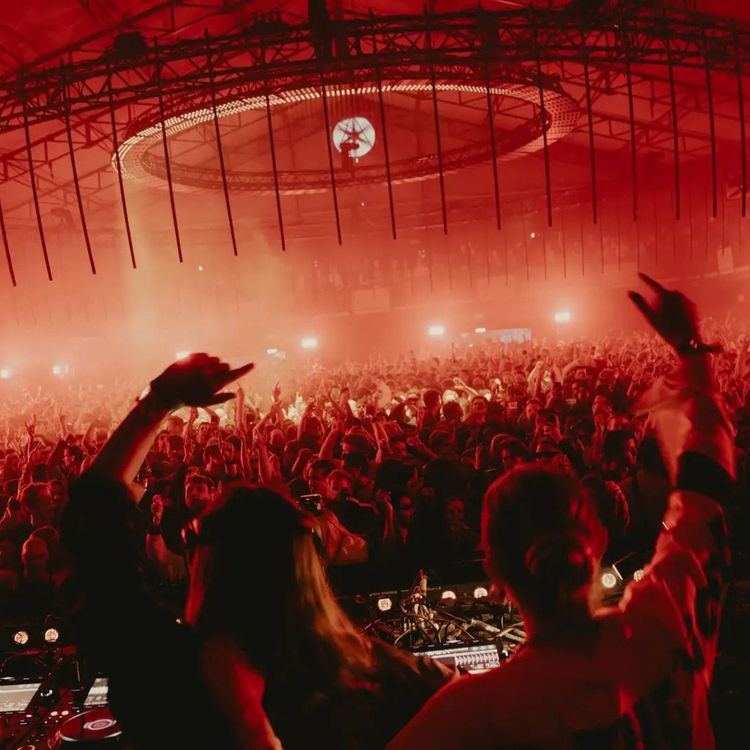
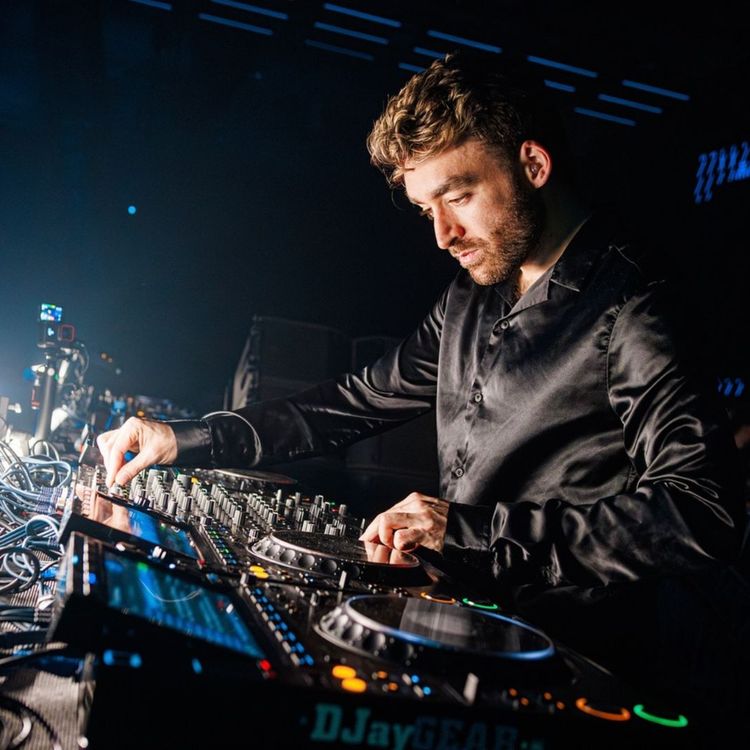
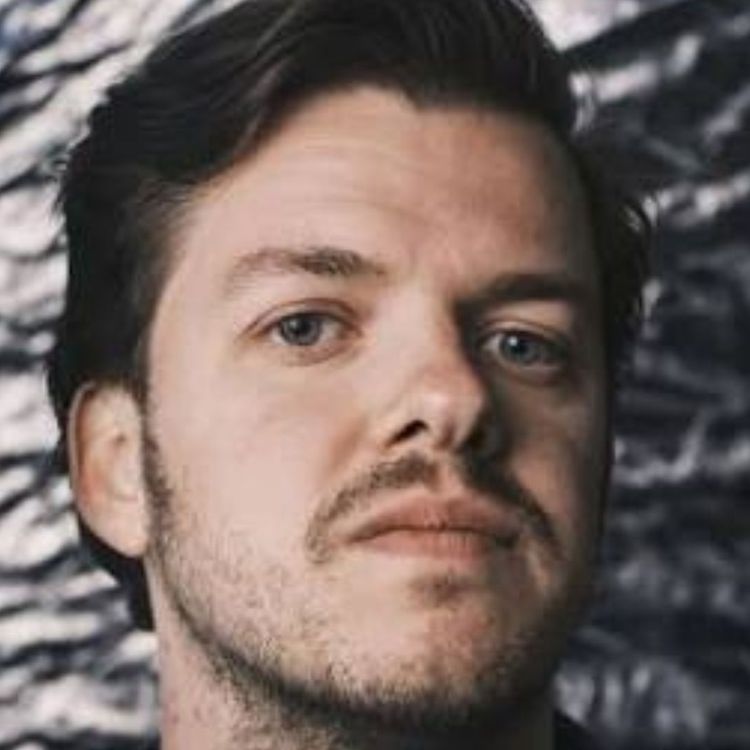
Detroit Love is a party series with history behind it, the kind you can feel on a dancefloor before anyone even touches the mixer. At the center is Carl Craig, one of Detroit’s most influential techno producers and a cultural force whose work helped turn a local sound into a universal language. That legacy lands in Brooklyn on January 31st, when Detroit Love kicks off a weekend takeover at Superior Ingredients.
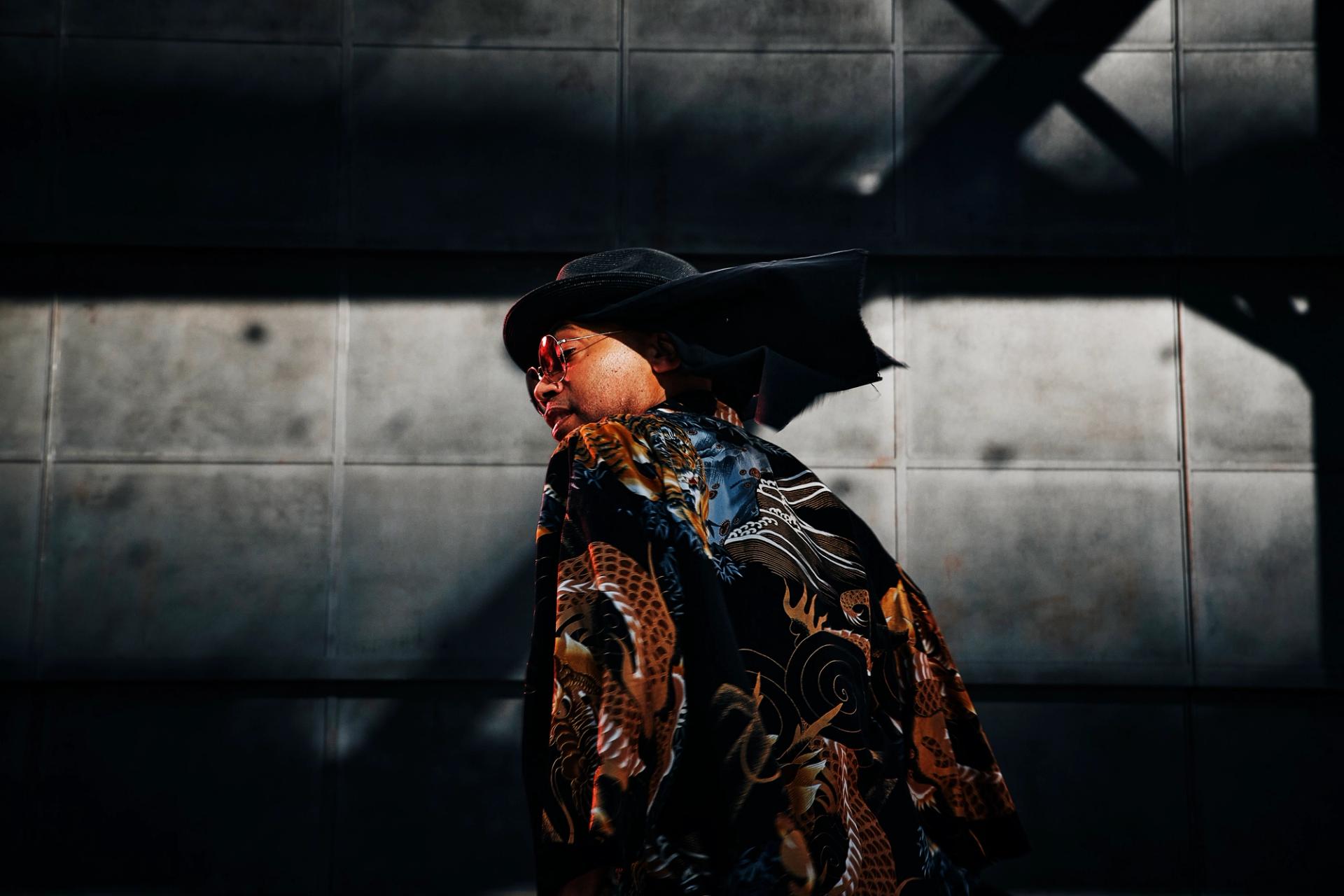
Detroit Love is his way of presenting Detroit to the world on Detroit’s own terms: proud, layered, and impossible to reduce to one genre, one era, or one trend. Craig has done that not just through ideas, but through records, a catalog packed with classics, including his widely loved edit of Inner City’s “Good Life,” a track that’s reached millions of streams and still hits like a reset button on any room.
Detroit’s sound didn’t come from nowhere
Detroit techno wasn’t born in a vacuum. It grew out of a city built on music that already knew how to hit emotionally and physically — Motown, soul, jazz, funk, gospel. Carl Craig grew up in a working-class home where music mattered. His father delivered mail, his mother taught school, and the house was full of sound. That foundation shaped him.
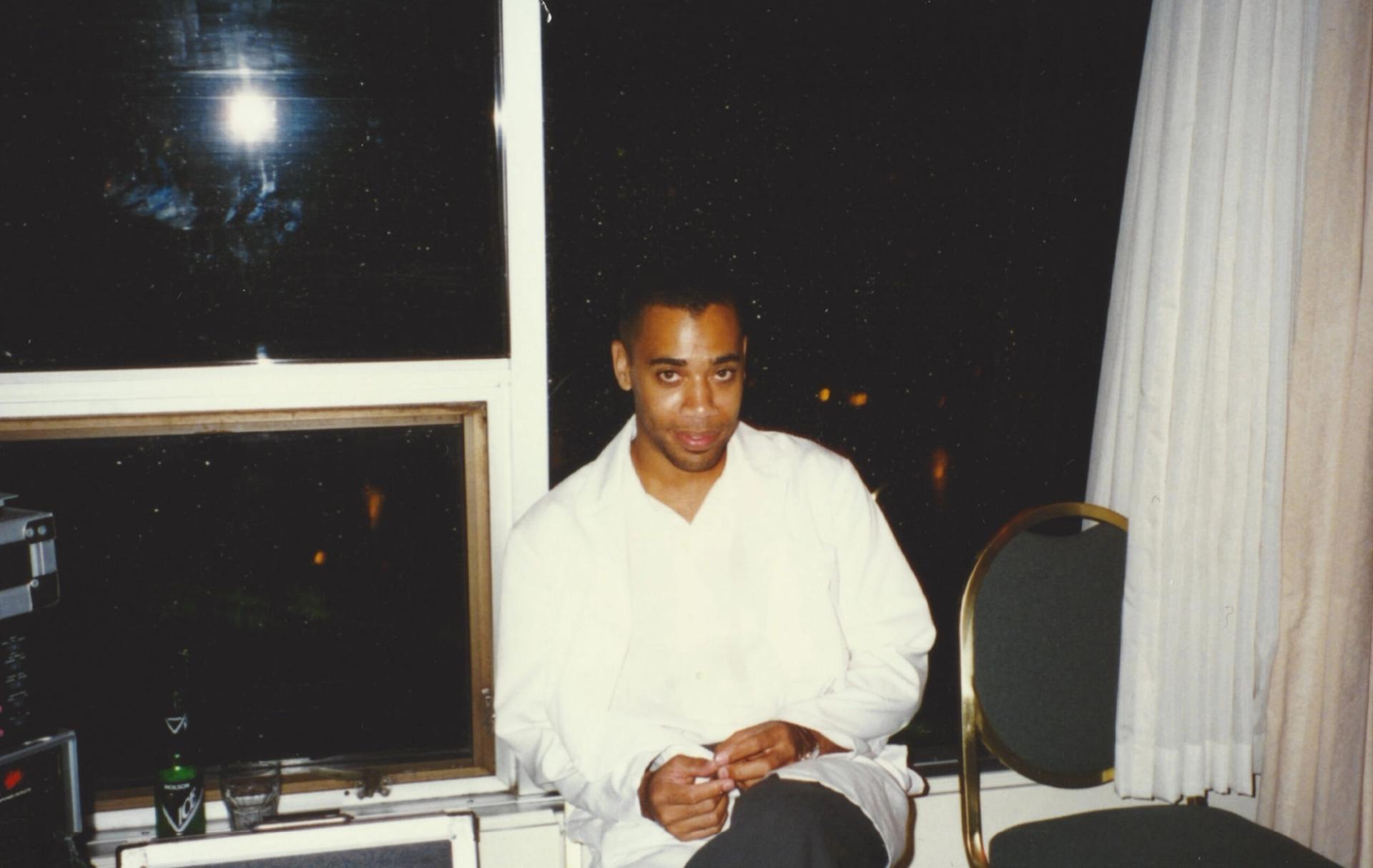
As a young artist, Craig was pulled in two directions at once: the futuristic electronics of Kraftwerk and Depeche Mode, and the local revolution happening in his own backyard — the work of Juan Atkins, Derrick May, and Kevin Saunderson (the Belleville Three), Detroit’s original techno innovators. Craig wasn’t only inspired by them. He saw proof that Detroit could invent something new and send it everywhere.
Early releases, early impact
Craig’s first records helped establish him as more than a talented producer — they showed he already had a point of view. His early releases “Breakdown” and “Evolution,” put out under the aliases Psyche and BFC, gained cult status in underground scenes across the U.S. and Europe.
They didn’t sound like copies of what was popular. They sounded like Detroit: mechanical, emotional, and forward. And like many of the city’s great builders, Craig didn’t wait for someone else to create the platform. He made it himself.
Planet E: Detroit with no boundaries
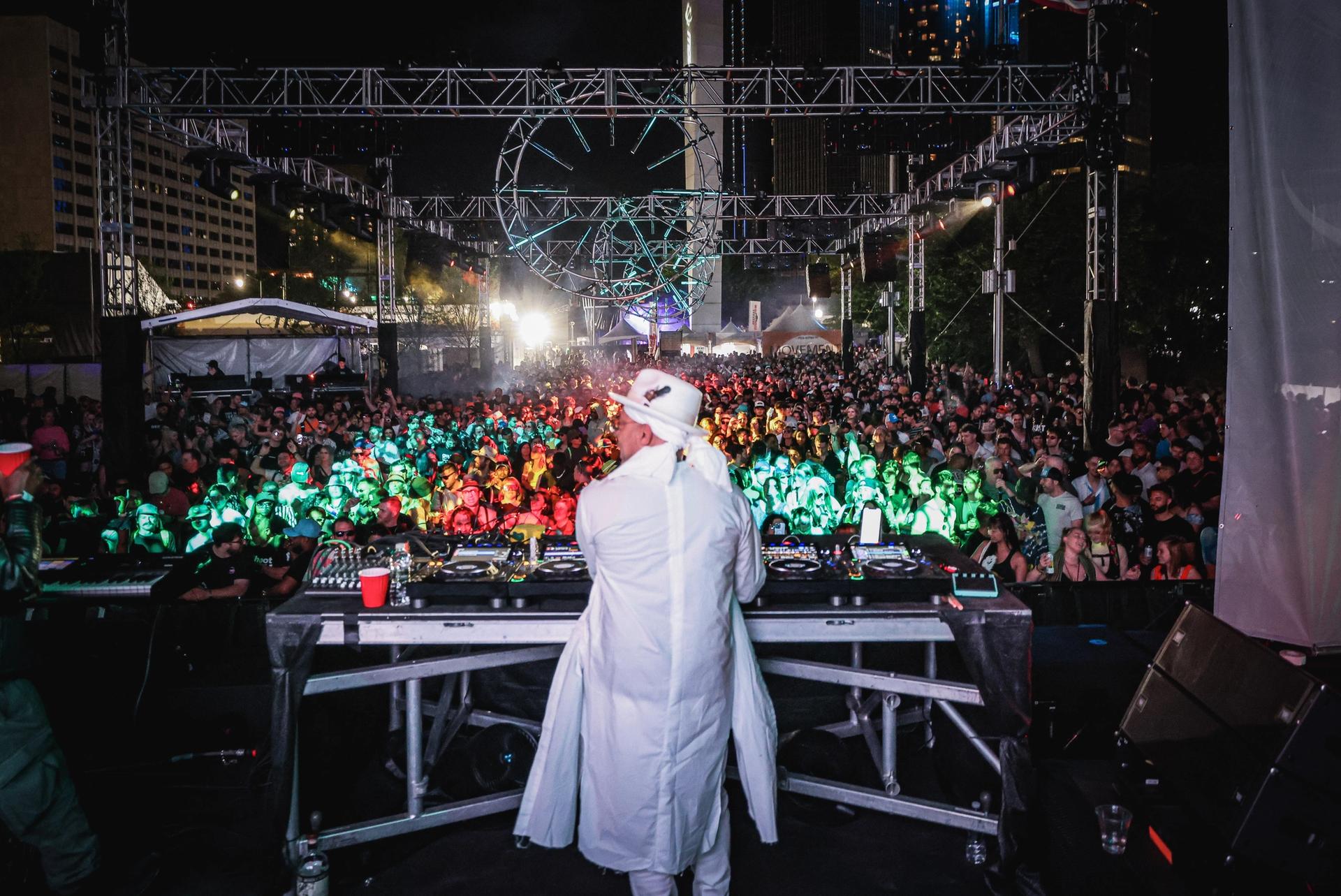
In 1991, Craig launched Planet E Communications, starting with 69 – Four Funk Jazz Classics. It was a mission statement. Planet E wasn’t about keeping techno inside rigid rules — it was about letting it expand. The label became a home for music that stretched into house, jazz, funk, and left-field electronics, while staying rooted in Detroit’s DNA.
Planet E also became a powerful platform for other Detroit artists. Over time, it supported names like Moodymann, Stacey Pullen, and Kenny Larkin — artists who carry Detroit’s legacy in very different ways. That’s part of Craig’s long game: building community, not just building a catalog.
Innerzone Orchestra: when techno got jazz bones
If you want proof that Craig never saw techno as a closed system, look at Innerzone Orchestra, founded in 1992. The project blended electronic music with jazz expression and live musicianship, and it produced one of his most celebrated tracks: “Bug in the Bassbin.”
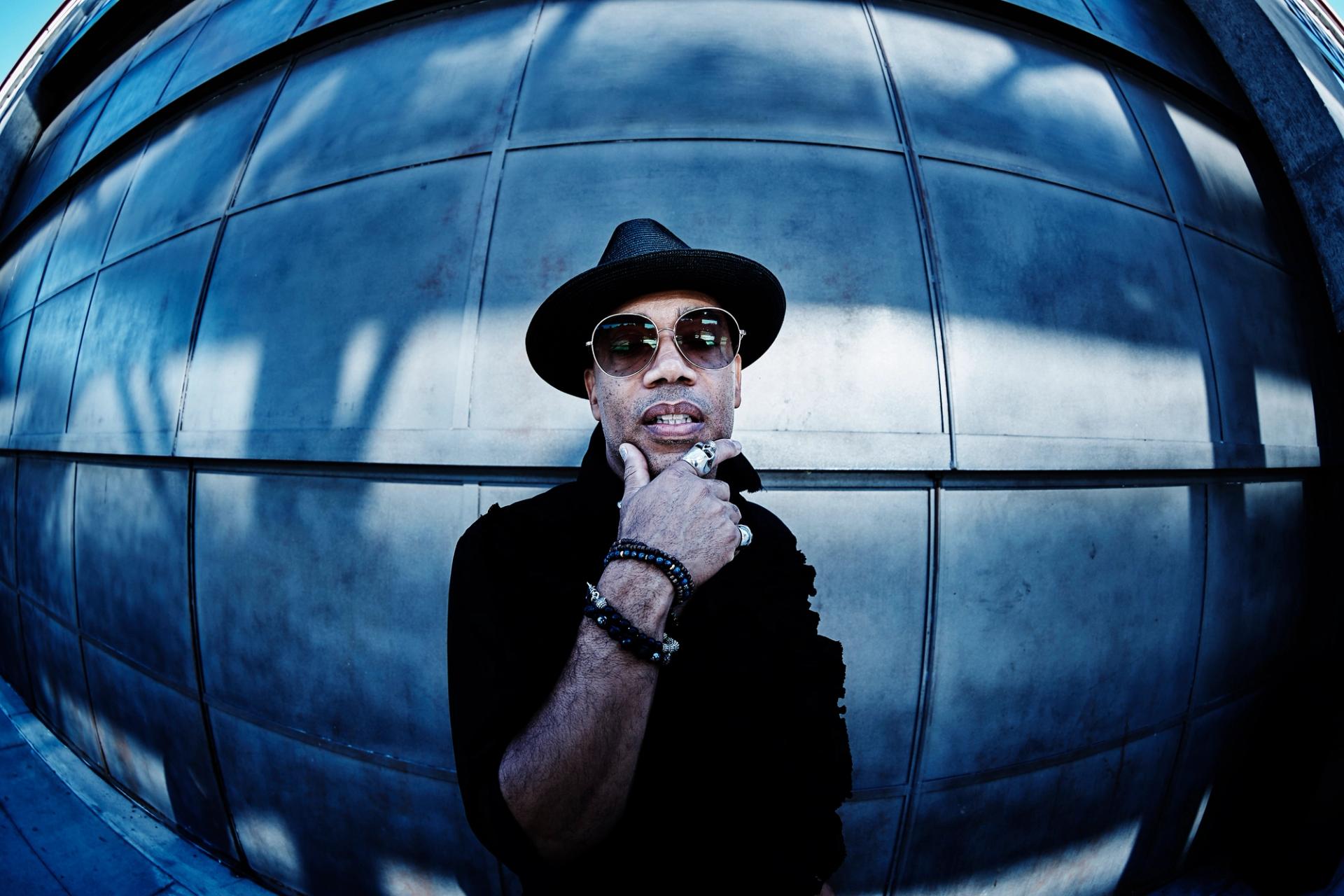
It’s the kind of record that reminds you Detroit isn’t only about speed or pressure — it’s also about depth, swing, and musical knowledge.
From there, Craig kept expanding. By the mid-’90s, releases like Landcruising pushed his sound further into mood and world-building — music that didn’t only work in a club, but could also hold up as a full listening experience.
Detroit Love: the culture, not the hype
Craig launched Detroit Love in 2014, and it’s important to understand why it mattered. Detroit had been talked about for years like a myth or a ruin — a city people borrowed from without always respecting. Detroit Love became Craig’s answer: a cultural platform and event series designed to spotlight Detroit’s depth, show its full range, and reshape the way the world speaks about it.
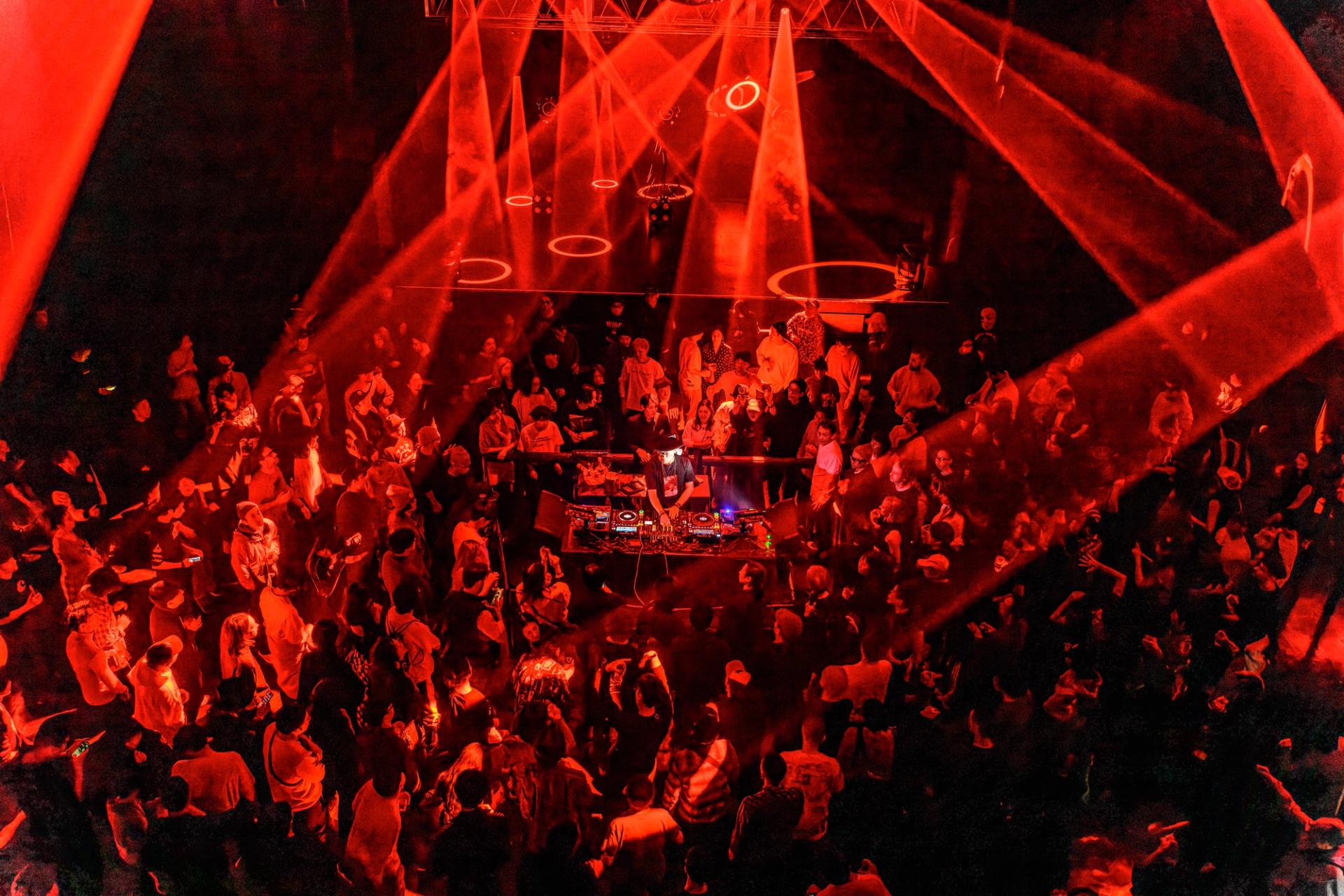
That’s why Detroit Love gets treated like something bigger than nightlife. It isn’t built around gimmicks. It’s built around values: strong curation, real connection, and Detroit pride without dilution. Detroit Love events are known for lineups that feel intentional — not only big names, but artists who represent Detroit’s spirit, whether through techno, house, disco, soul, or deeper cuts that don’t fit neat categories.
Why Moodymann belongs in this story
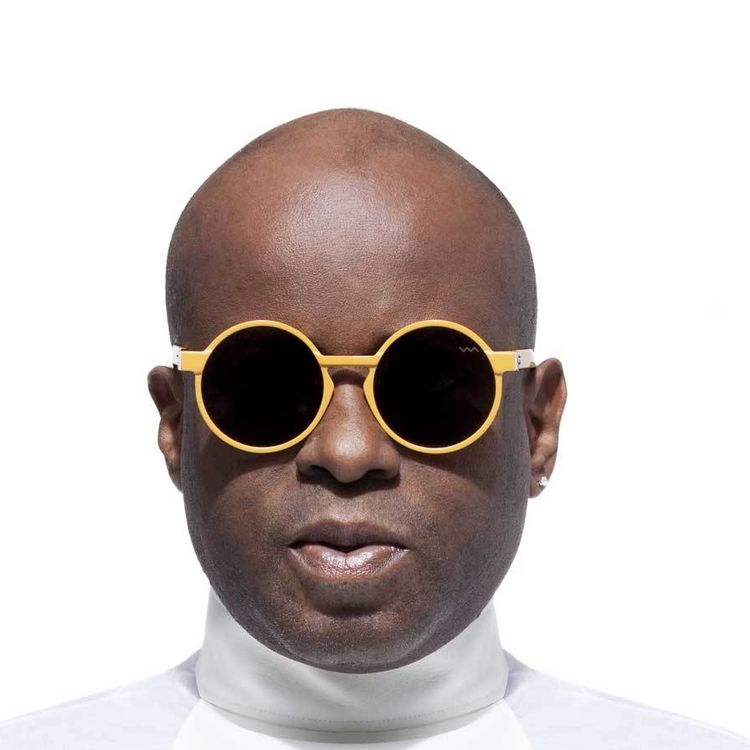
Detroit Love also makes sense because of who’s connected to it. Moodymann (Kenny Dixon Jr.) is one of the most charismatic and uncompromising figures in house music — and one of the loudest voices when it comes to preserving the Black roots of dance music.

His catalog runs through labels like Planet E, Peacefrog, KDJ, and Mahogani Music, and his sound pulls from soul, jazz, blues, and house with an instantly recognizable touch. Tracks like “Sunday Morning” and “Shades of Jae,” plus albums like Silentintroduction and Moodymann, helped define an era — not through polish, but through feeling and truth.
When Detroit Love brings together artists like Craig and Moodymann, it’s more than a booking. It’s Detroit speaking in its own voice.
Legendary because it’s real
Detroit Love has impact because it doesn’t treat Detroit like branding. It treats Detroit like a living culture. Craig’s work — from Planet E to Innerzone Orchestra to Detroit Love — has always been about building worlds that stay connected to their roots while still moving forward.
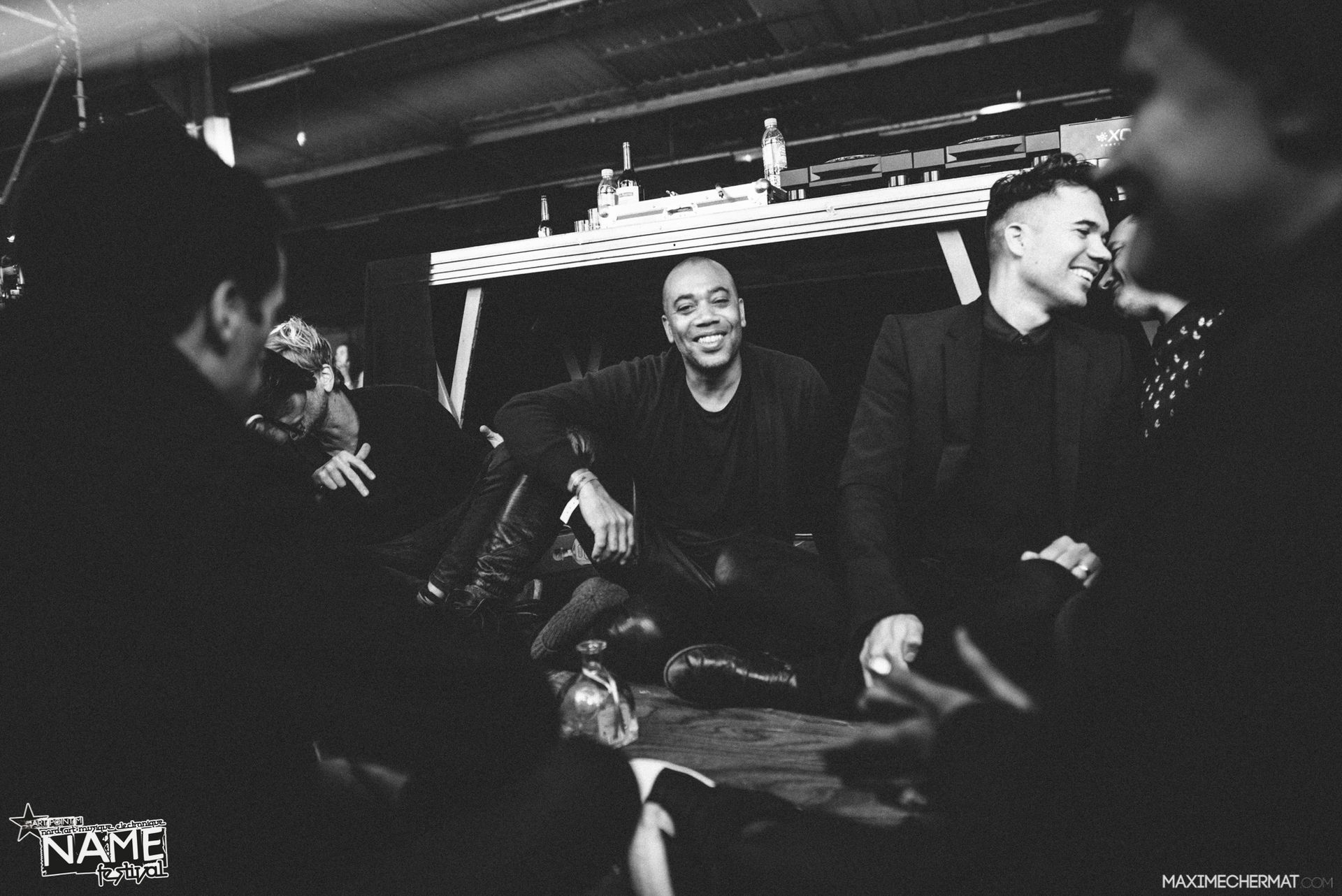
That’s why the name hits. Detroit Love isn’t nostalgia. It’s a reminder that Detroit didn’t just influence dance music — it helped define it. And when the series lands somewhere like Brooklyn for a full weekender, it isn’t just another party on the calendar.
It’s Detroit showing up in full.