January Wellness: Elemental Resonance
This January, we’re spotlighting dance-music-adjacent wellness practices that offer grounding, restoration and long-term sustainability beyond the dance floor. As conversations around burnout, nervous system regulation and longevity continue to gain momentum in electronic music, Elemental Resonance has quietly been doing this work long before it became mainstream.
Founded by Tracie Storey (aka Tensuhi) in 2012, Elemental Resonance operates at the intersection of sound, consciousness and embodiment, bridging club culture with ancient wisdom systems and modern neuroscience. Rooted in lived experience rather than trend-led wellness, its work speaks directly to artists, creatives and music industry professionals navigating high stimulation, irregular rhythms and constant output.
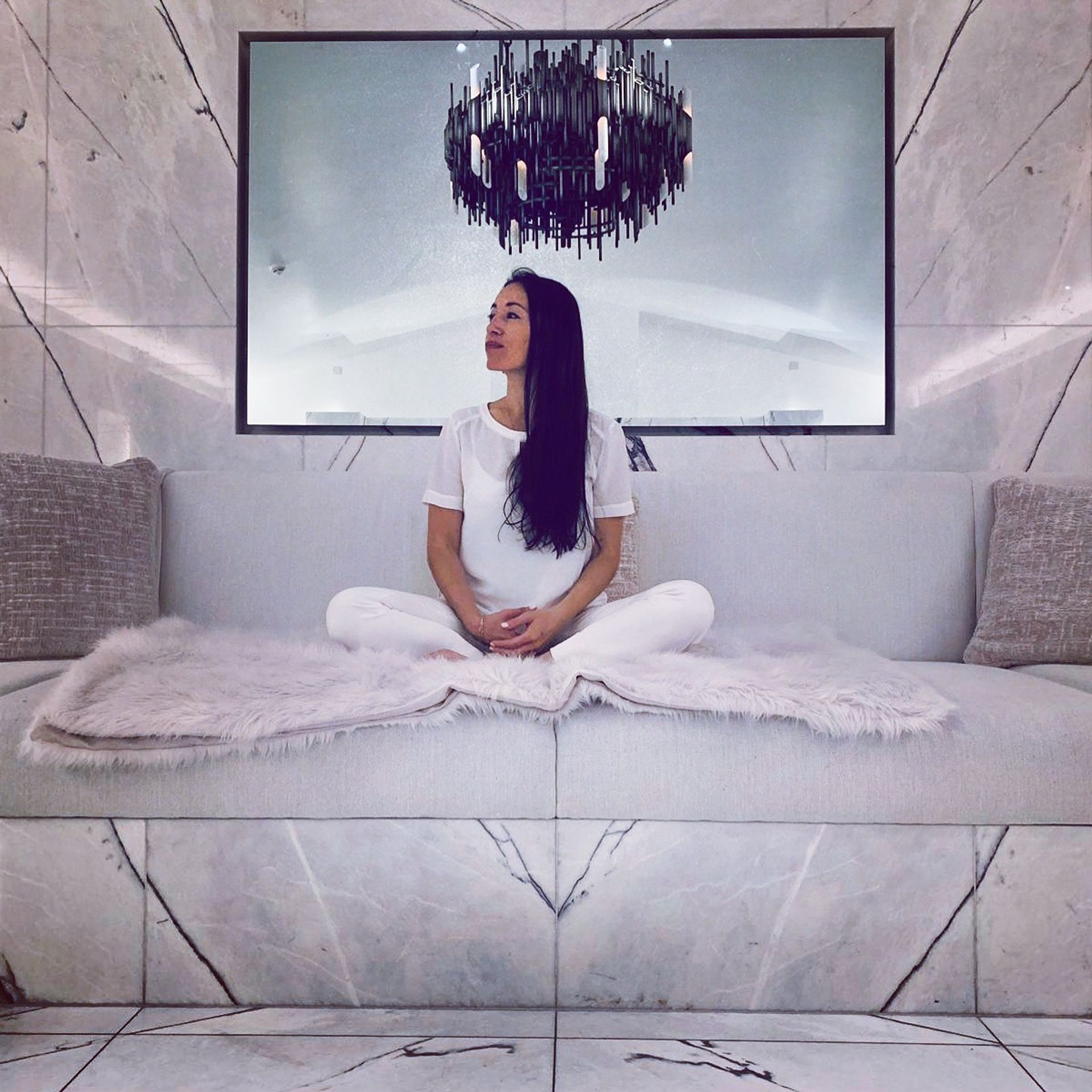
Lived experience, not trends
Before launching Elemental Resonance, Tracie's relationship with wellness was shaped not by life on the road.
“Before launching Elemental Resonance, my relationship with wellness was more of a lived experience,” she tells Gray Area. “I spent many years working internationally as a DJ and sound designer and sought out practices that helped me regulate and restore balance.”

She has a monthly residency on London radio station ROVR, and is practitioner and co-curator of ’The Art of Areté’ which is part of IMS - 2026 line-up will be announced soon.
Touring life eventually prompted a deeper reckoning. “I had an epiphany whilst on the decks in Jakarta and I knew I needed to go deeper into the world of vibrational sound,” she says. “I became deeply curious about how sound affects us on a vibrational level, how it affects our nervous system, emotions and mental state.”
That curiosity led her into studying Vibrational Sound as a therapeutic modality, alongside breathwork, Qigong and Traditional Chinese Medicine. “Not as trends, but as essential tools,” she explains. “It was a big and difficult decision to change my lifestyle but one I understood more deeply later down the line.”
Building Elemental Resonance
Elemental Resonance officially emerged in 2012, born from a moment of introspection.
“It basically emerged from a personal need for recalibration,” she says. “After years of touring and working on high frequency, my body and nervous system began asking for something different.”
Moving away from a professional DJ career wasn’t easy, but it felt unavoidable. “I had to pivot from my professional life as a DJ, which was far from an easy choice but something more profound was calling.”
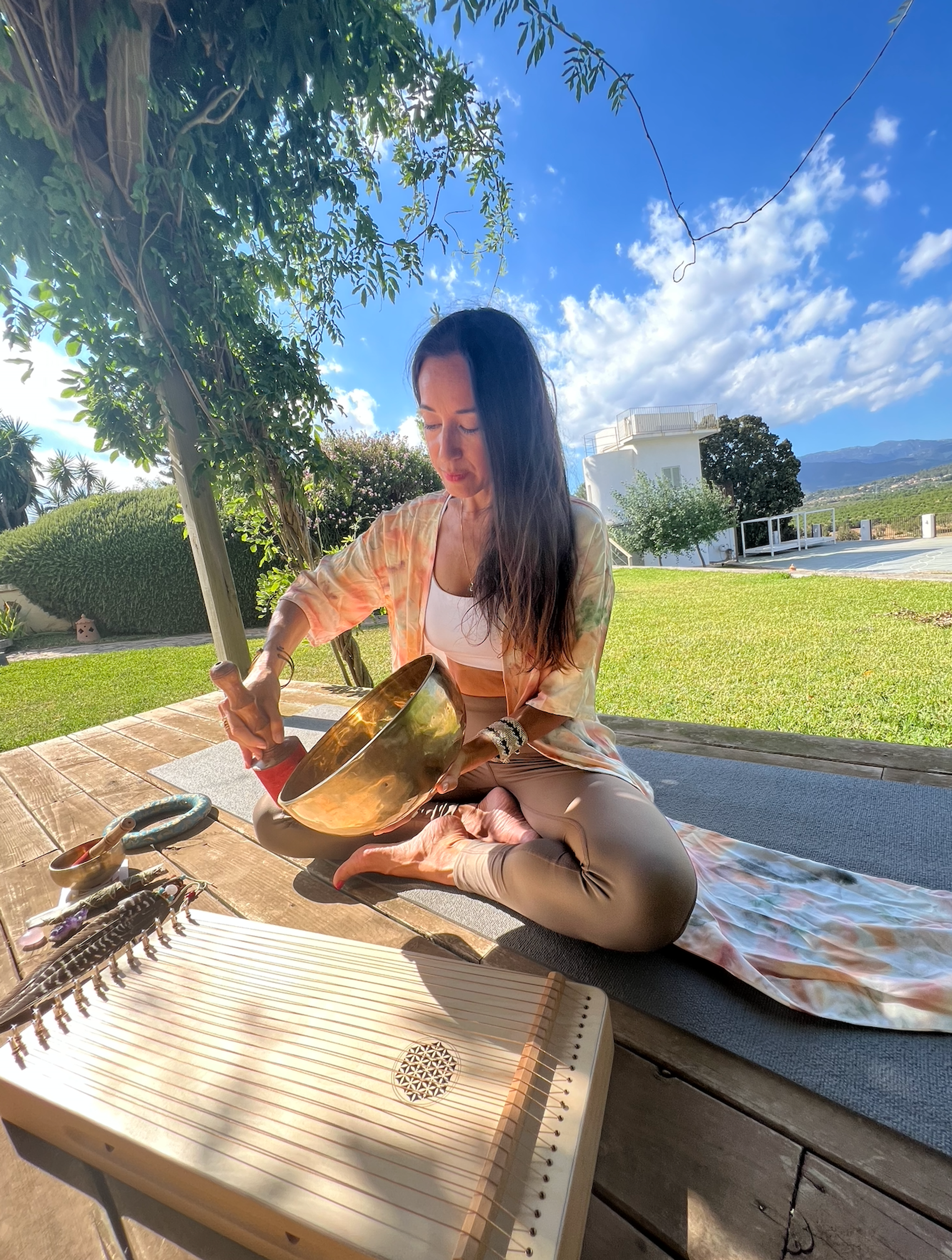
As her training deepened, so did her understanding of sound’s potential beyond performance. “As I trained in vibrational sound therapy and Qigong, I experienced profound shifts and realised how powerful sound could be when used as a modality rather than as performance, but as medicine.”
At the time, Elemental Resonance was offering something totally unique. “The platform was born 15 years ago, nothing like it existed at the time,” she says. “It was a way of bringing my experience of dance music culture, consciousness, sound therapy, education and embodiment into a more creative space.”
A bridge between club culture and consciousness
Rather than positioning itself as a traditional wellness brand, Elemental Resonance is guided by a broader vision.
“Elemental Resonance was born as a bridge between my experience of club culture and consciousness,” she explains. “It’s more of a vision rather than a mission.”

At its core, the work supports people in search of change. “It helps people return to coherence within their bodies, nervous systems and work more deeply with their energy systems.”
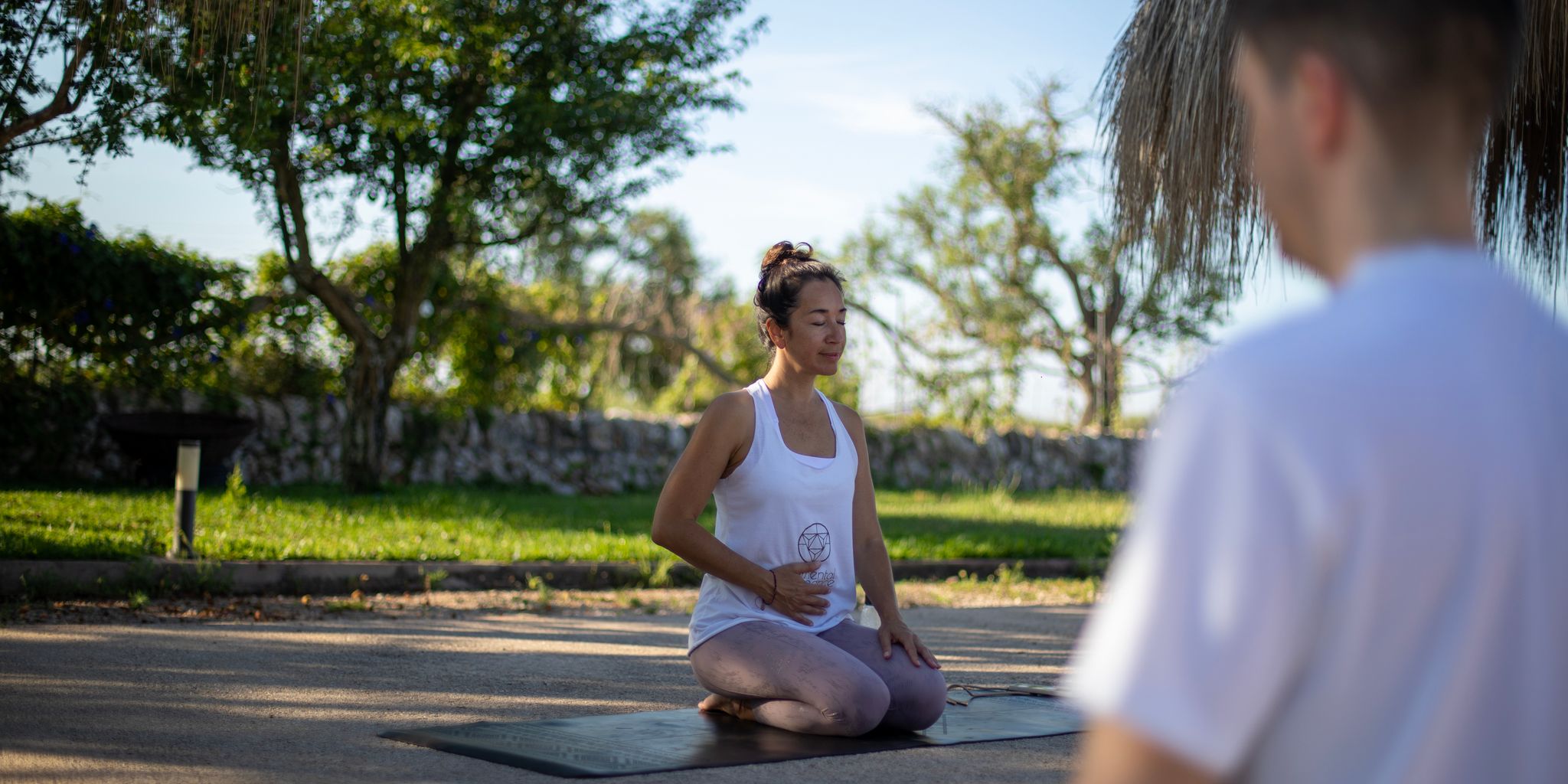
Using sound, frequency and movement, Tracie blends ancient wisdom systems with modern neuroscience and lived experience. The focus is not stimulation, but regulation; resilience rather than optimisation.
Who the work is for
While deeply rooted in electronic music culture, Elemental Resonance serves a varied community.
“I work with a wide range of communities, including electronic music professionals, creatives, cultural leaders, corporate wellness spaces, and individuals navigating stress, burnout, perimenopause, or life transitions,” she says.

There is a strong emphasis on people operating at high creative or cognitive output, whose nervous systems are often pushed to their limits by their work.
Milestones and key moments
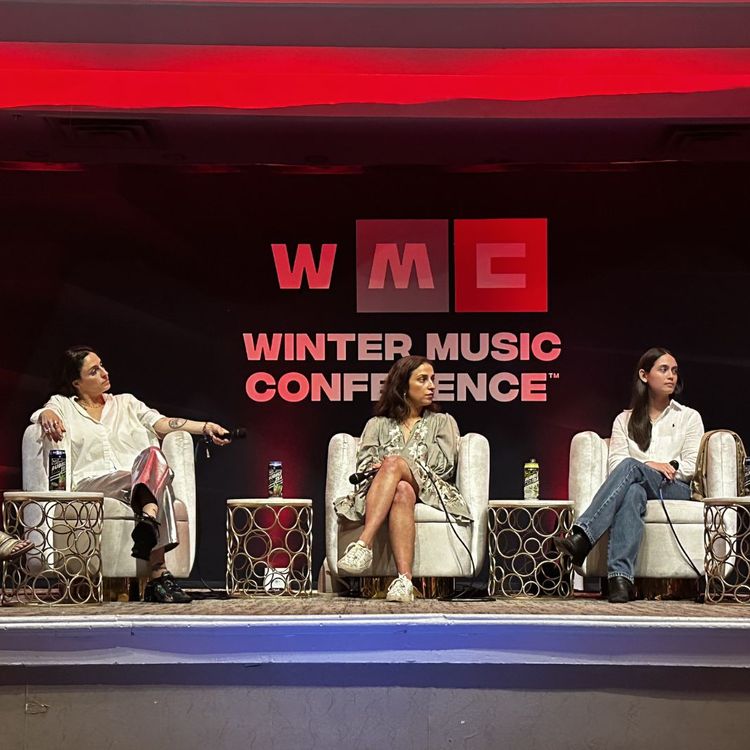
Over the years, Elemental Resonance has quietly built a substantial legacy. Standout moments include releasing the Elemental Resonance meditation album on Basement Jaxx’s Celestial Being Records; hosting the first Power of Sound panel at Brighton Music Conference and later at ADE in 2018; facilitating workshops and sound immersions internationally; and building a long-running community through Inner Vision Mondays, a monthly meditation series, now in its sixth year.
These moments reflect a practice that has grown organically, sustained by community rather than hype.
What Elemental Resonance offers
And the work itself is intentionally broad and deeply bespoke.
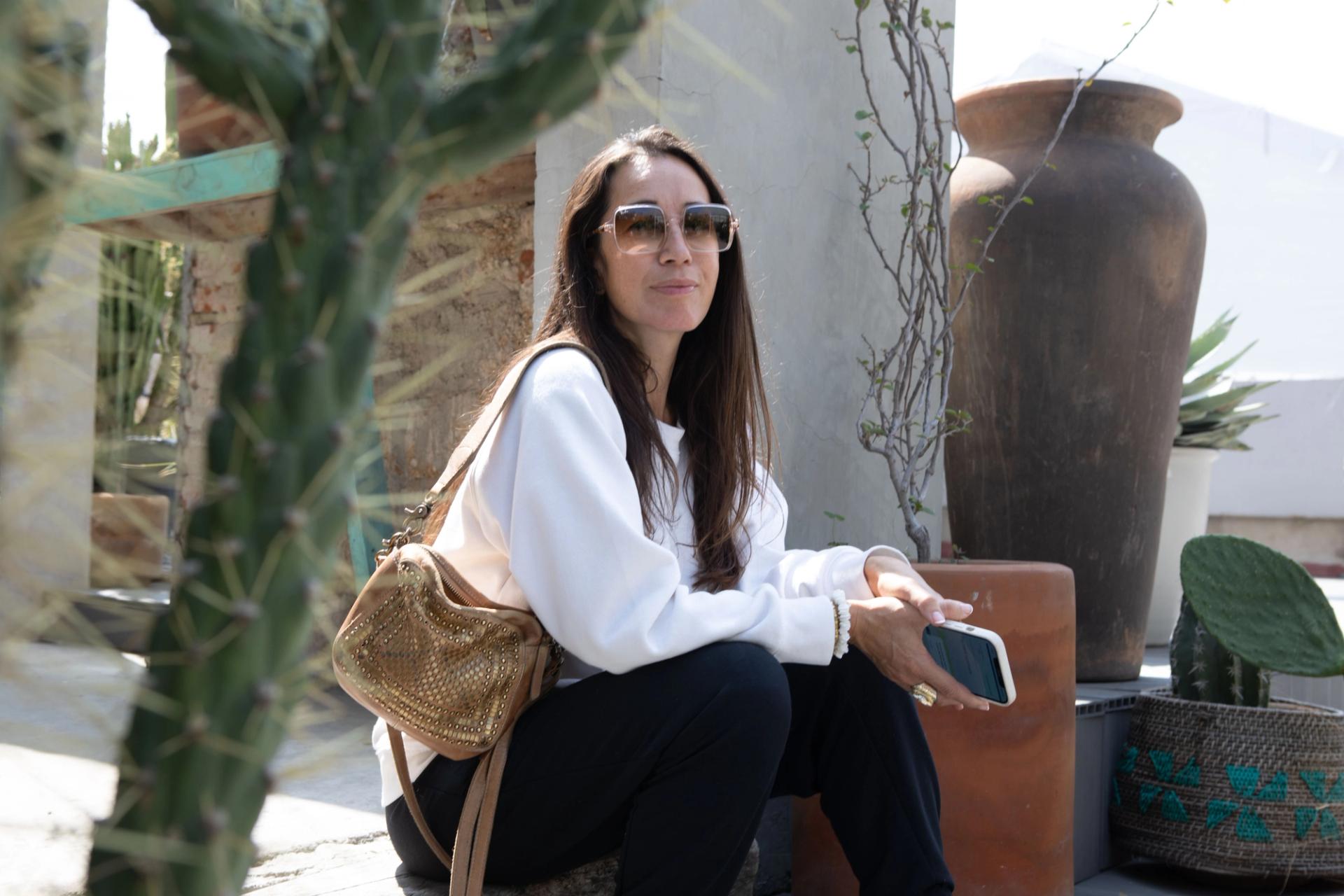
“I offer one-to-one sessions, group workshops, online courses, retreats, and Vibrational Sound Training programmes,” Tracie says.
Sessions include vibrational sound therapy, Qigong workshops, nervous system regulation practices, meditations and sound harmonisations. “All sessions are bespoke and tailored to what the client is going through,” she explains, “which could be mentally preparing for a hospital operation or a personal meditation to help them with anxiety or sleep.”
Why electronic music professionals turn to TCM
For those working in electronic music, the appeal of Traditional Chinese Medicine is intuitive.
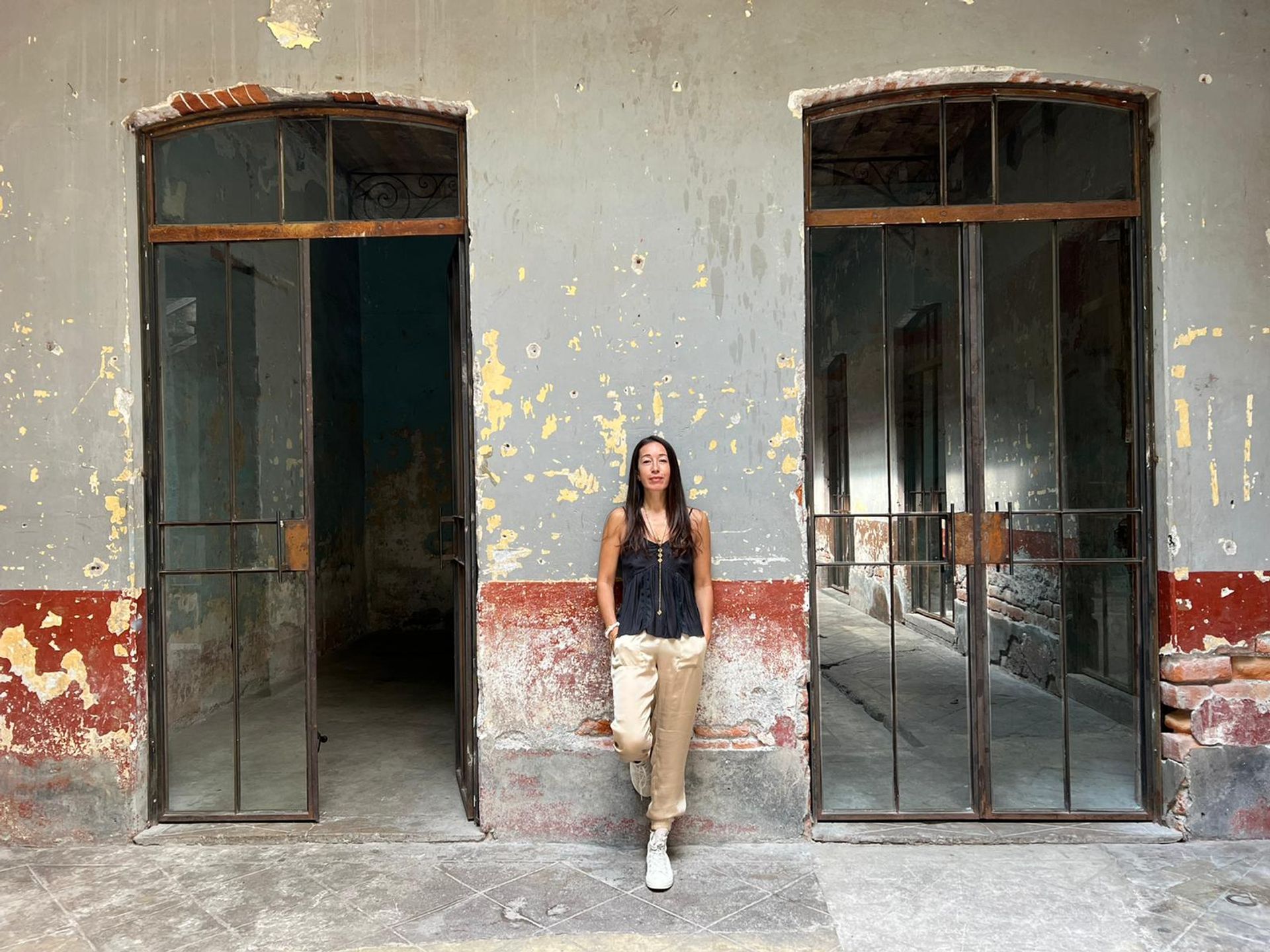
“Most people working in the music industry are exposed to high sensory stimulation, irregular sleep patterns, and constant travel,” she says. “Traditional Chinese Medicine offers a holistic framework that addresses root causes rather than symptoms, and mirrors how people in the industry already understand rhythm, flow and energy.”
Crucially, it offers something many people are missing. “Most people don’t need more stimulation; they need nervous system regulation,” Tracie explains.
Unexpected Shifts
One of the most surprising outcomes for clients is the speed and depth of change.
“Many people are surprised by how quickly they experience clarity and spaciousness, not just relaxation,” Tracie says.
Often, the process reveals needs people didn’t know they had. “When the nervous system settles, creativity comes back online,” she explains. “When people address themselves as a living, breathing instrument, it helps them to find the spaciousness within which helps them progress with all aspects of their life; work, relationships, friendships, family, creativity.”
Looking Ahead
In 2026, Elemental Resonance will enter a new phase of expansion.
“I’m expanding Elemental Resonance into deeper educational pathways, including more in-depth Vibrational Sound Therapy Training which combines online study with in-person immersion and certification,” Tracie says.
Alongside this, Tracie will continue speaking at international conferences, developing retreats, soundscapes, more meditations and collaborative projects at the intersection of sound, neuroscience and consciousness.
In a scene increasingly reckoning with sustainability, whether in our bodies, minds, or creative careers, Elemental Resonance feels less like a wellness trend and more like a long-established response to questions electronic music is only just beginning to ask.
Check out Elemental Resonance’s free videos here and for more updates, follow Tracie Storey on Instagram.