Notes On: Artists Becoming Content Creators
Do you remember the moment you fell in love with dance music?
I do.
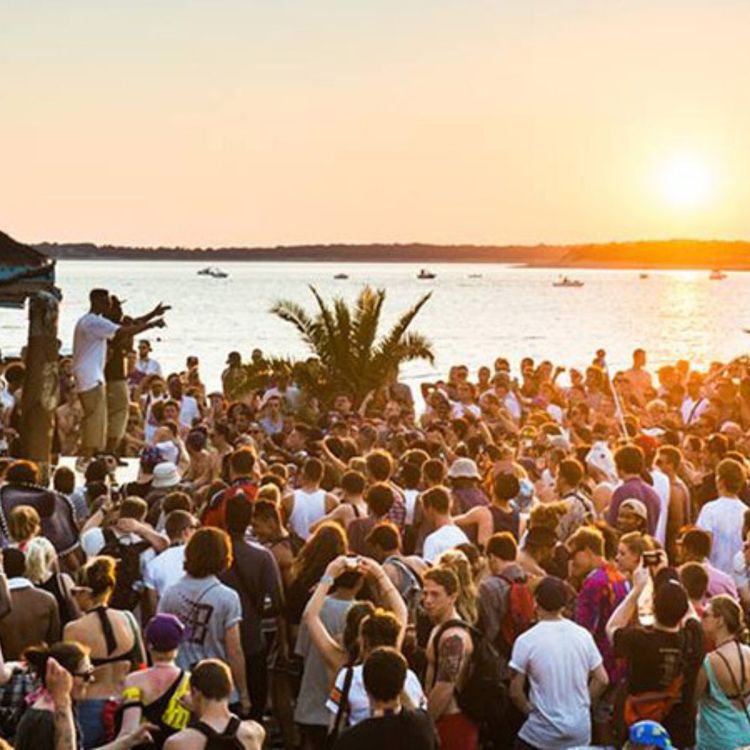
It happened at XOYO the summer of 2013. I was newly single, 23, living in London and absolutely on one. Jackmaster was headlining and dropped Fatima Yamaha’s What’s a Girl To Do at 2am to a packed, sweaty dance floor. It was evangelical. I felt sucked into the magic of this electronic world. At that moment, I understood that electronic music is about so much more than rhythm and beats. It taps into something at the very core of humanity.
Since then, I’ve been lucky enough to report on the culture I love for a living. But, as the years crept along, one aspect of my job has got bigger and bigger and bigger until, this year, it’s officially become the majority of it. The way people consume journalism has changed. I spend way less time reporting, and way more time holding a little black box, making tiny little videos and checking my notifications for validation every 10 minutes.
These days I am not just a journalist, I’m also a filmmaker and presenter, which, luckily, I actually quite enjoy. The part I struggle with is spending hours making something I’m really proud of only for it to get buried by the algorithm. That part bums me out.
And I am not the only one wearing multiple hats. Every single DJ, producer, promoter, marketer, agent and manager is fighting the same battle. We used to have very separate roles in the music industry, but now we all have one thing in common: we are content creators. And, if we aren’t, we better become one stat. It begs the question:
Is it possible to be successful in the music industry without social media presence?
Unless you’re an anomaly like Helena Hauff, a vinyl-only DJ with no manager, press campaigns, social media account or smartphone, the answer seems to be a resounding no. That’s why creating engaging content for social media has officially become a bigger part of the job than the job itself.
On February 12th, DJ, producer and BBC Radio 1 host Jaguar shared a post on Instagram titled “I QUIT.”
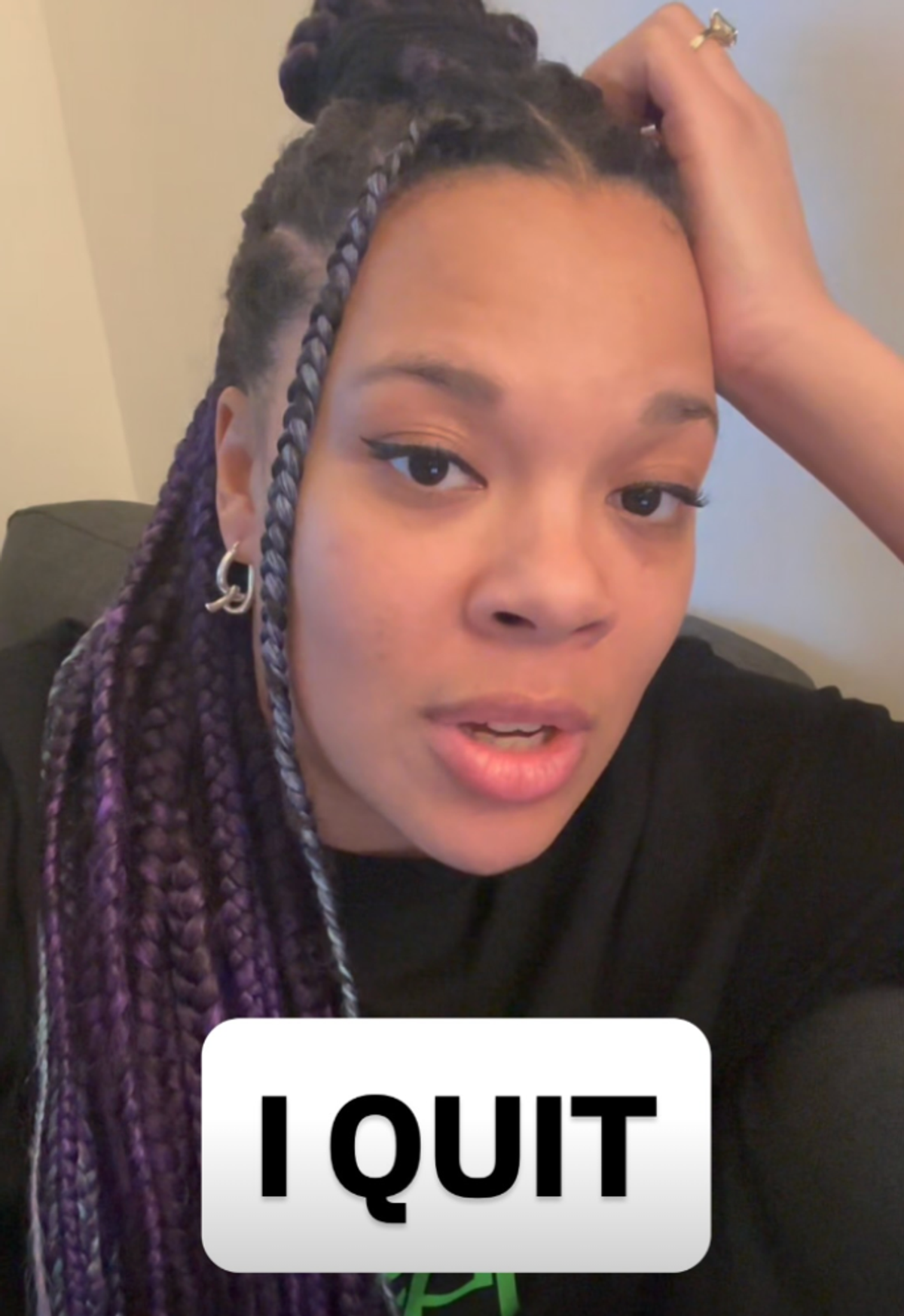
“I just feel like we should all get a life and stop staring at our phones????” She wrote. “Is anyone else tired?? How can we accept that our vids are reaching fewer people than ever? I actually refuse to accept this. I’m done playing the game. I’m not an influencer. I’m an artist. I’m a broadcaster. It’s time for a change.”
It’s a sentiment many people in the music industry can relate to. Social media began as a way to stay connected to friends and family, but it’s now become far less social and way more promotional. In fact, a Financial Times study indicated a 10% drop in overall social media activity in 2025, with Gen Z shifting towards posting nothing at all, and only scrolling.
It’s partially because young people want to escape the clutches of the algorithm, but it’s also because their feeds are dominated by influencers and adverts. Morning Consult reports that many people feel their content isn’t relevant or interesting enough, and social media has changed its purpose to become a place for passive scrolling rather than active sharing.
So, people in the creative industries are left to battle it out against the algorithm, creating content with a 3 second hook to grab attention, rewarded for spectacle over talent. It means that many outstanding producers and DJs are flying under the radar as they may not have the confidence, will or skills to showcase their work in a palatable way for social media.
Artists, many of whom are often introverts, must now be performers, presenters, promoters and filmmakers on top of the actual job of DJing and producing.
Nikki Nair just wrapped up a four week residency at Phonox in London. It’s a legendary and highly coveted residency across four weekends, but comes with a caveat: the artist has to promote it.
Nikki Nair went down an interesting route. Part sarcasm, part earnest, he wryly introduced himself as a world famous DJ, documented his journeys from one gig to another in an impossibly droll way. It was genuinely funny – but it also highlighted the world we live in where DJs now have to be TV personalities to succeed.
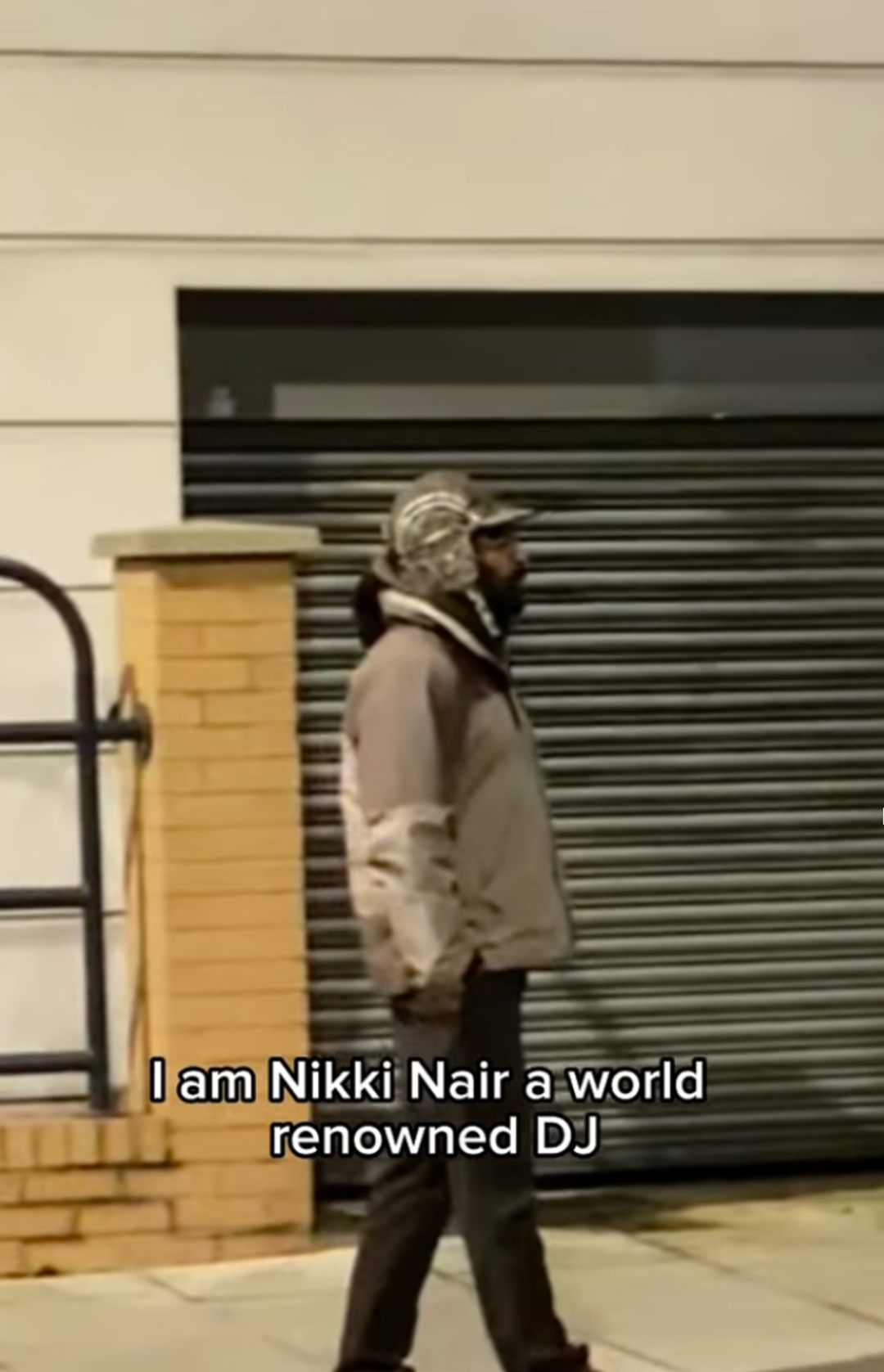
Nikki managed to create content that felt true to his own personality while allowing his audience to get to know him, but the subtext is clear: he’d really rather not have to do this.
But what about the shy artists? The ones without a team to bounce ideas off? The people who aren’t natural marketers or don’t feel confident showing up on camera? Do they get left behind? Is there only room in this industry for a certain type of personality to succeed?
And, more importantly, is music really the most important factor in success — or is it charisma on camera?
These are the questions circling every music industry professional right now, and the conversation isn’t going anywhere. I can’t help but wonder whether, like Jaguar, artists will eventually grow tired of it and build a new ecosystem for themselves; one that doesn’t perform for an algorithm, but for the fans who wanted to connect with them in the first place.