After 40 Years, MTV’s Music Legacy Reaches Its Final Frame

For anyone who grew up flipping through channels looking for the latest premiere, the news that MTV will shut down its remaining music-video channels on December 31, 2025, feels heavier than a simple programming update. Paramount Global’s decision to retire MTV Music, MTV 80s, MTV 90s, Club MTV, and MTV Live officially closes a chapter that shaped how millions of people met their favorite artists, learned the choreography to their favorite tracks, and saw themselves reflected in a world that always felt a little cooler, louder, and more daring than real life. And for many of us, those years were defined not just by music videos, but by shows that became cultural touchstones — from Jersey Shore to The Real World, Pimp My Ride, Punk’d, and Next.
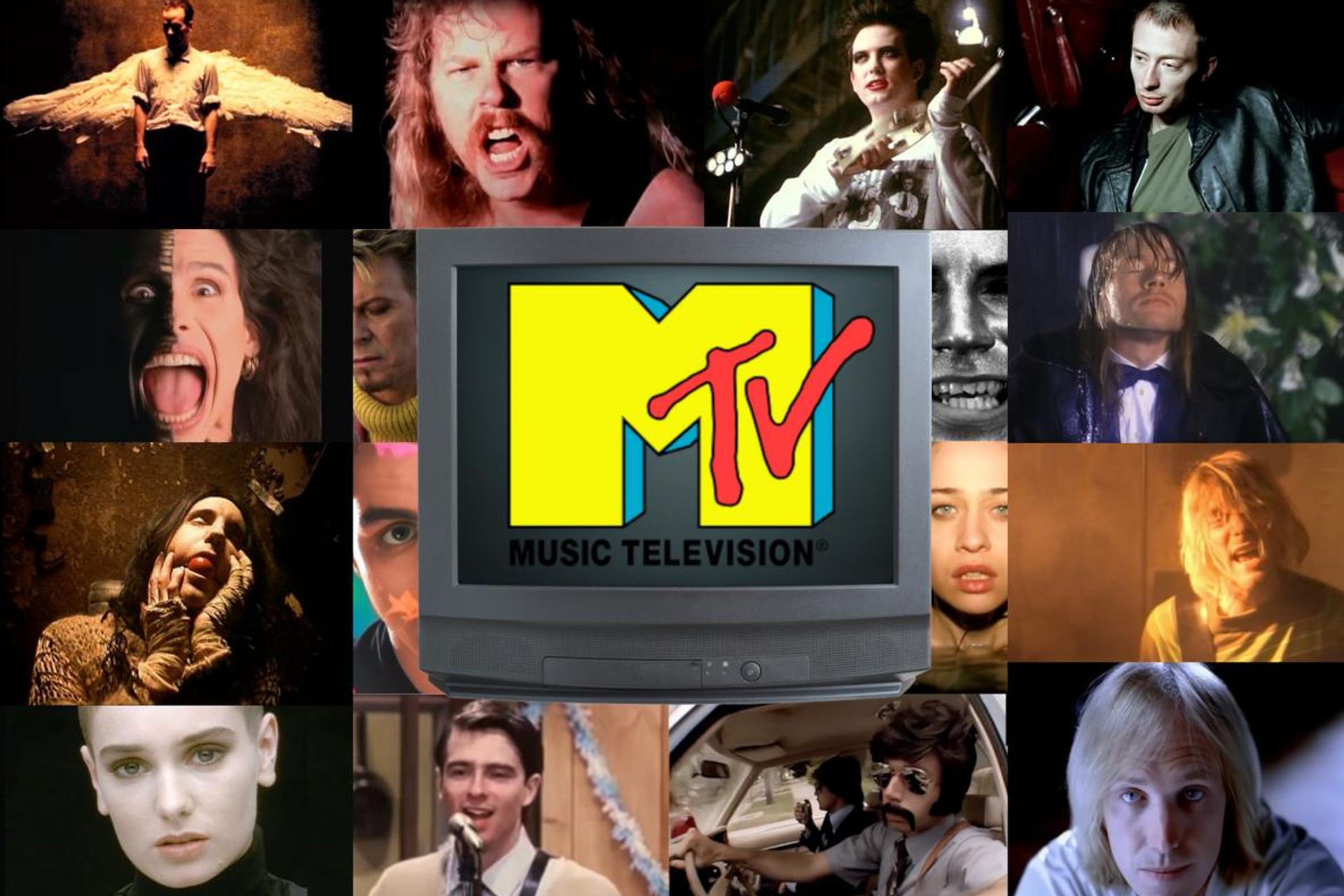
MTV isn’t vanishing completely. The main channel—the one that now leans heavily into reality shows—will continue. But the version of MTV that once felt like a pulse running through youth culture is being folded away, archived into memory. For many, it’s a reminder that the things we once considered permanent can slip quietly into history. It’s strange to think the same channel that gave us Jackass, Teen Mom, Catfish, Cribs, and My Super Sweet 16 is letting go of the part of itself that started it all.
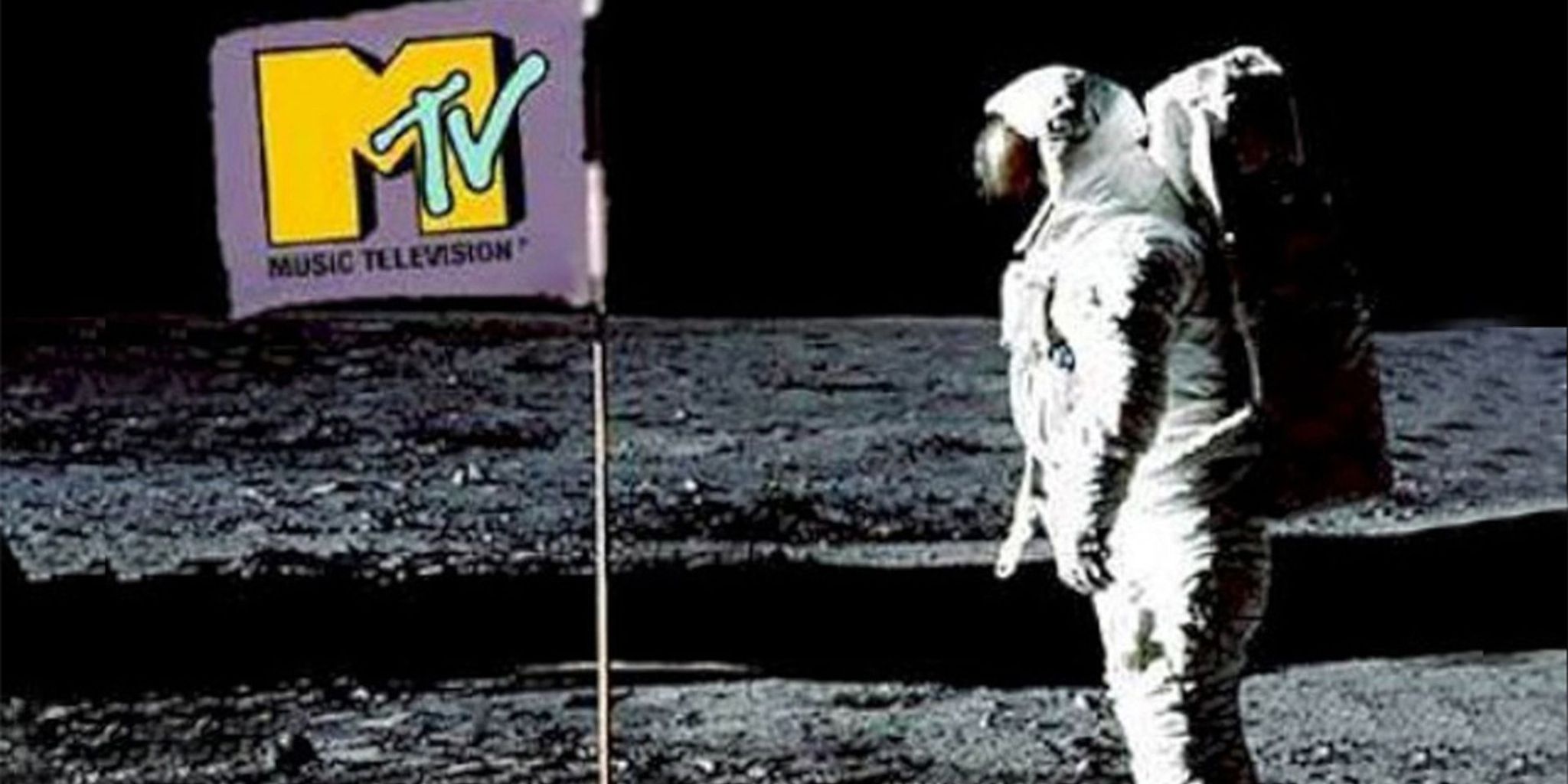
When MTV debuted back in 1981, the idea of a channel playing music videos around the clock was revolutionary. It gave musicians a stage that reached into living rooms around the world and launched careers that depended just as much on imagery as on sound. Suddenly, artistry wasn’t just what you heard—it was what you saw. Entire aesthetics, fashion choices, and cultural trends were born from those few minutes between commercial breaks. MTV wasn’t just a platform. It was how many of us learned about style, creativity, and expression before we even had the words for it. And as years went on, series like Daria, Beavis and Butt-Head, Road Rules, and The Challenge.
Fast forward to now, and the media landscape looks nothing like it did during MTV’s rise. YouTube, TikTok, Instagram, and streaming platforms have rewritten how we watch, listen, and share. Music videos still matter—maybe more than ever—but they no longer need a cable slot to make an impact. Artists post directly to their audience, fans clip and remix their favorite moments, and discovery happens through swipes instead of scheduled programming.
MTV’s declining ratings reflect this shift. Where millions once tuned in religiously, the numbers have thinned as viewers migrated to screens they control. On-demand replaced anticipation. Algorithms replaced VJs. Premieres dropped at midnight on YouTube instead of during scheduled blocks after school. As habits changed, so did the business built around them, and eventually the decision became inevitable.
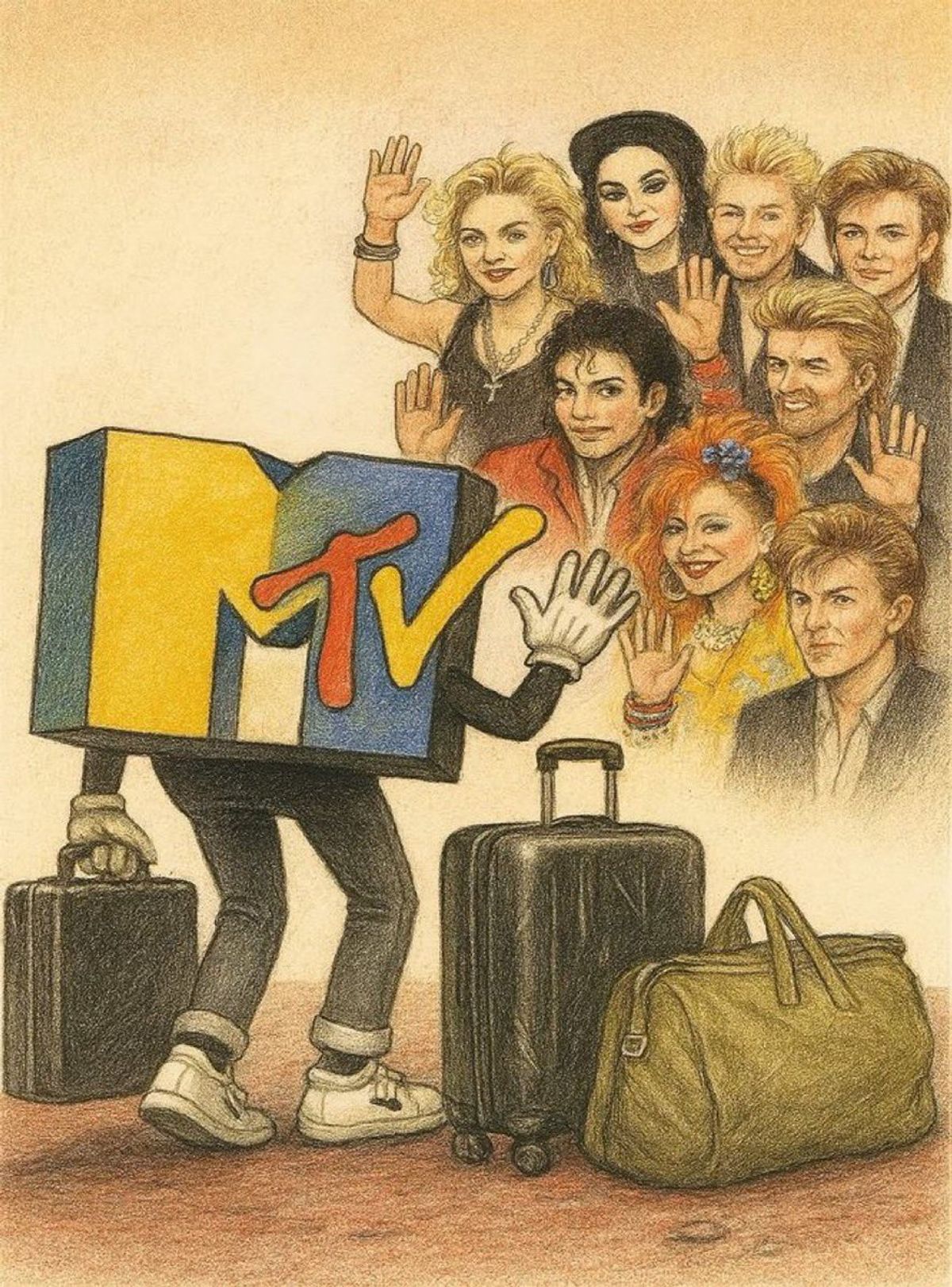
Still, hearing that the channels will disappear feels like losing a time capsule. We remember racing home to catch the countdowns. We remember staying up late hoping our favorite video would finally break into the top spot. We remember the excitement of seeing artists we loved step into characters through visuals that felt bigger than life. MTV lived inside those moments, shaping not just what we listened to, but how we imagined the world around us.
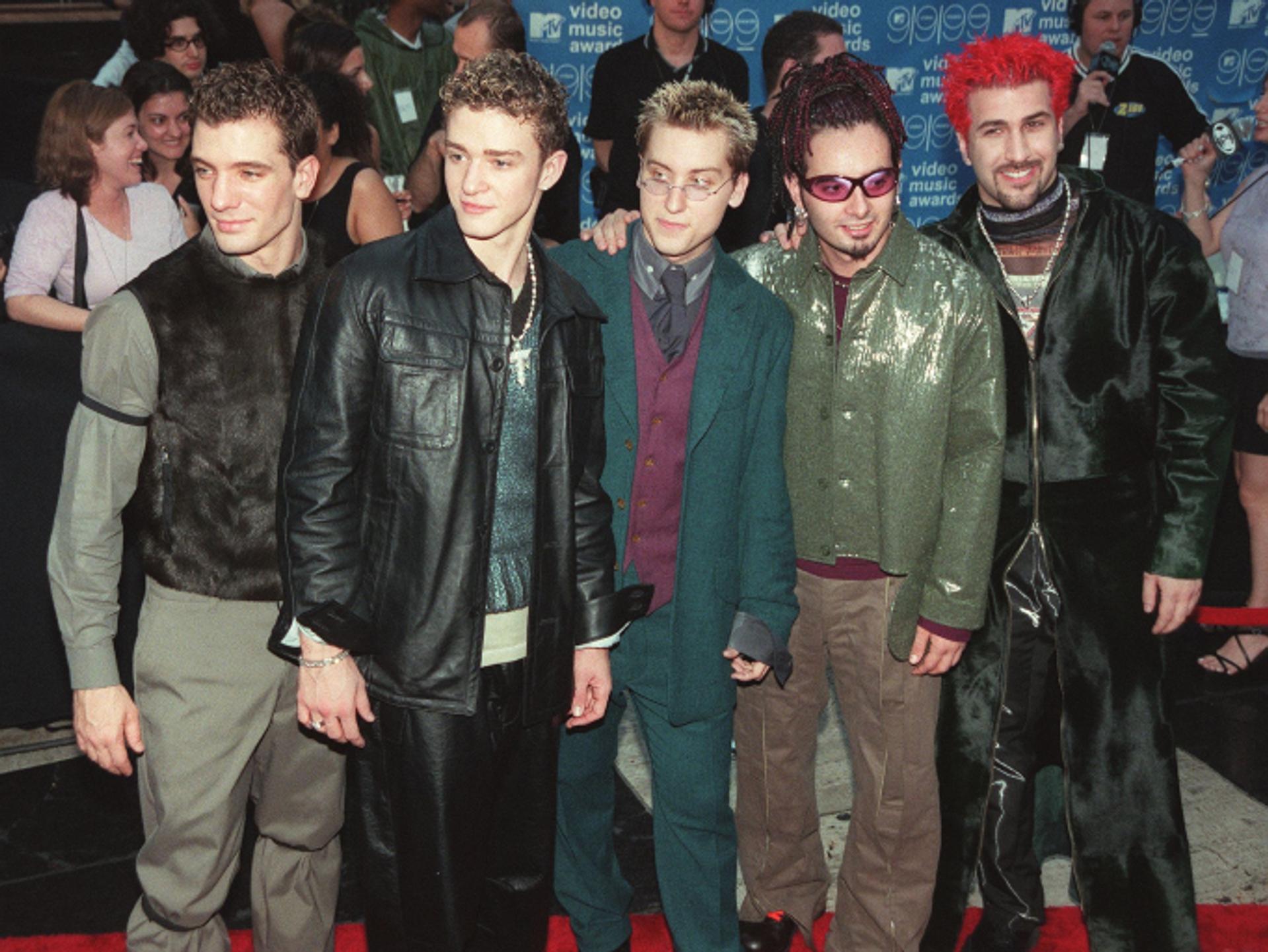
This shutdown isn’t just about media strategy or corporate restructuring. It’s about acknowledging how quickly time moves. The version of MTV that raised so many is now a memory, replaced by platforms that offer speed and convenience but not always the same sense of shared experience. There was something special about watching the same video debut at the same time as everyone else—something communal, something electric.
As the countdown to December 31 approaches, the closure serves as both a farewell and a reminder: technology keeps moving, the way we experience culture keeps shifting, and the things we once thought would last forever sometimes don’t. But the influence of MTV—its daring visuals, its storytelling, its impact on youth culture across generations—continues in every music video uploaded today.
We’re not just watching a network fade out. We’re watching time pass. And we’re remembering the place that taught us how powerful a song could feel when paired with a screen and a vision.