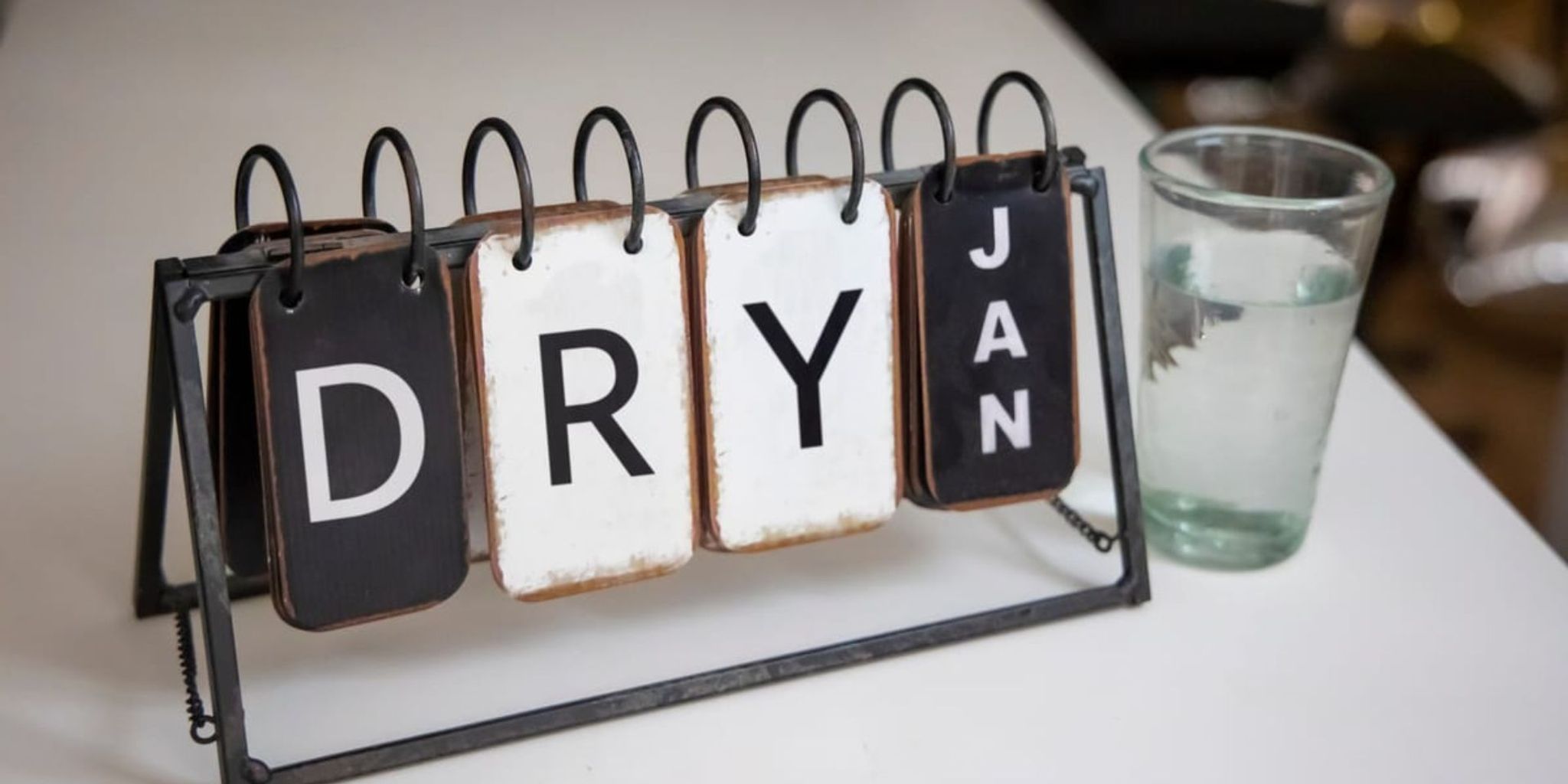
Notes On: Dry January and Dance music
In her monthly Notes On column, music journalist Alice Austin shares her thoughts, reflections and analysis on dance music’s biggest talking points. With (dry) January over, Alice reflects on conversations around sobriety in dance music, drawing on interviews over the course of the month, and her own personal thoughts on wellness as the year unfolds.
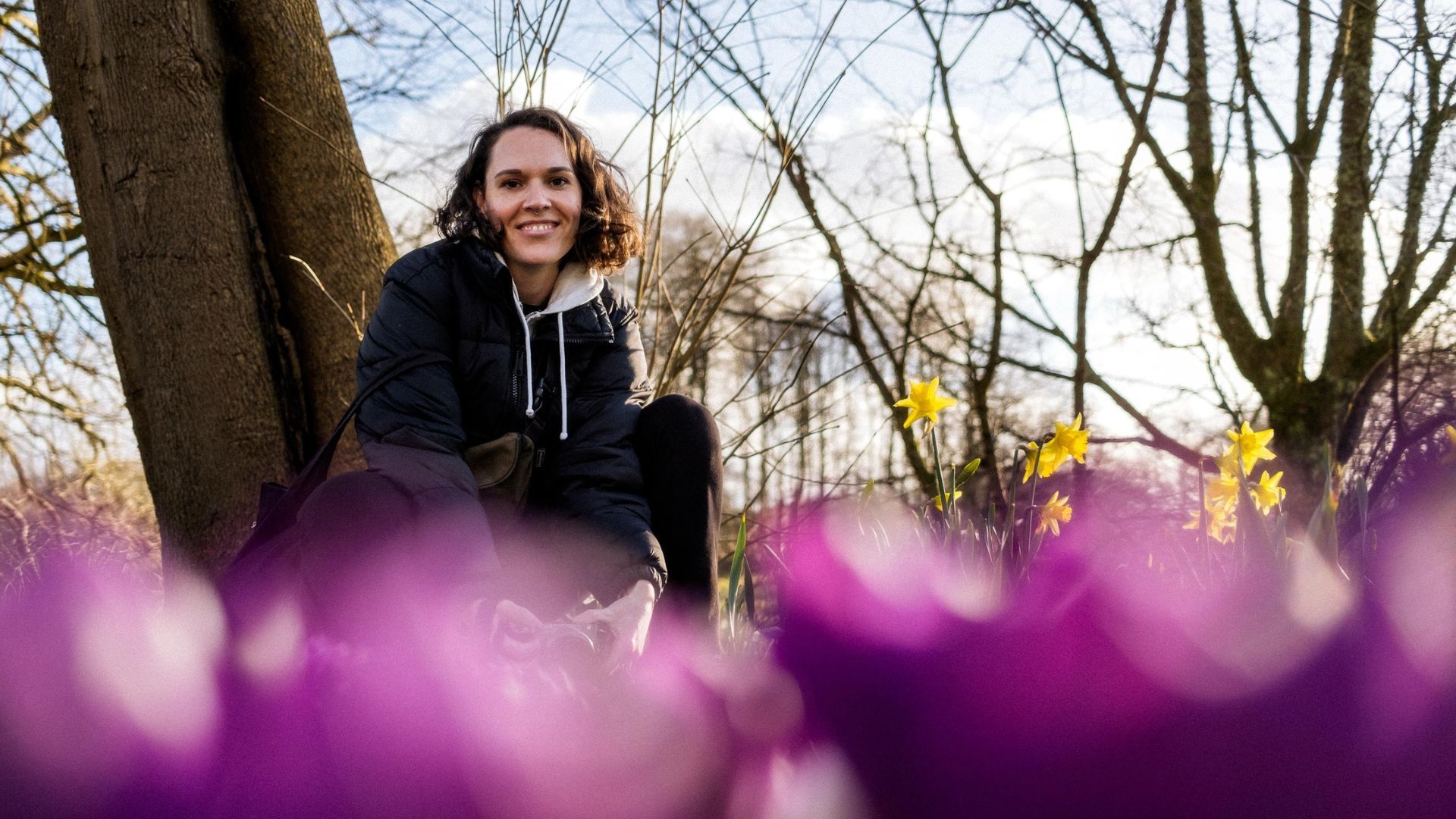
Photography Credit: Paul Campbell
In April 2026, it’ll be six years since I made the decision to become sober. While most people drank more during lockdown, I took it as an opportunity to re-consider my relationship with alcohol. As a purely social drinker, it felt like the perfect opportunity. I happened to be staying with my brother in Sydney when COVID hit, so I spent my mornings writing and my afternoons cycling along the Eastern Suburbs coastline, taking photographs and re-configuring. I had no idea what my life would be like without alcohol. In fact, I wasn’t sure who I was without it.
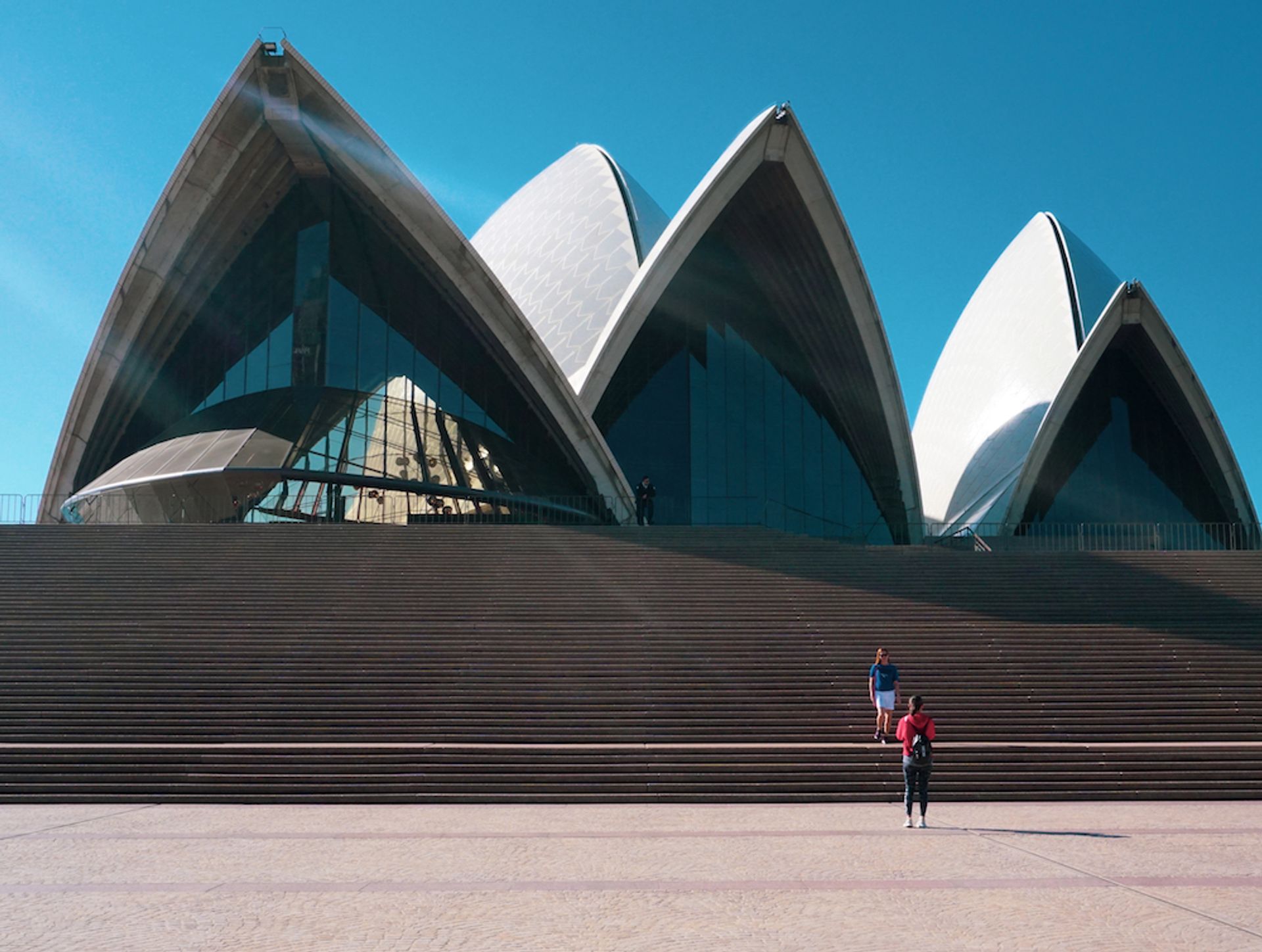
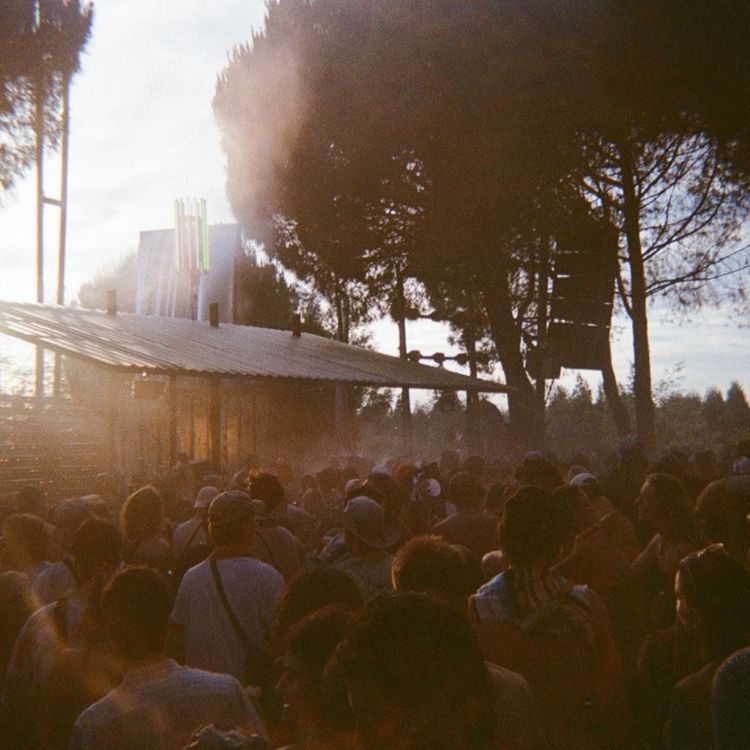
Alice's photography from Sydney in lockdown
I had some major concerns. Would magazines still hire me to write about nightlife? Would labels and promoters want me to write about their club nights if I wasn’t partying? Would I even want to go to clubs anymore? Will I miss out on all the fun? Will everyone think I’m boring?
In the Northern Hemisphere, January is for sure the worst month of the year. Everyone is recovering from December, which for many of us (in the UK especially) is packed full of after-work drinks, club nights, pub nights, and that strange week between Christmas and New Year where time stops making sense and we go out every night.
Then, once the final firework has flared out and the last party popper pulled, it’s time to crawl into our caves and swear off alcohol, human interaction and fun for the full month.
Dry January is an inaccurate representation of sobriety. I tried it once or twice and had zero fun. I was experiencing withdrawal, lonely because I didn’t trust myself to socialise, and it was freezing cold, cloudy, and rainy (in the UK).
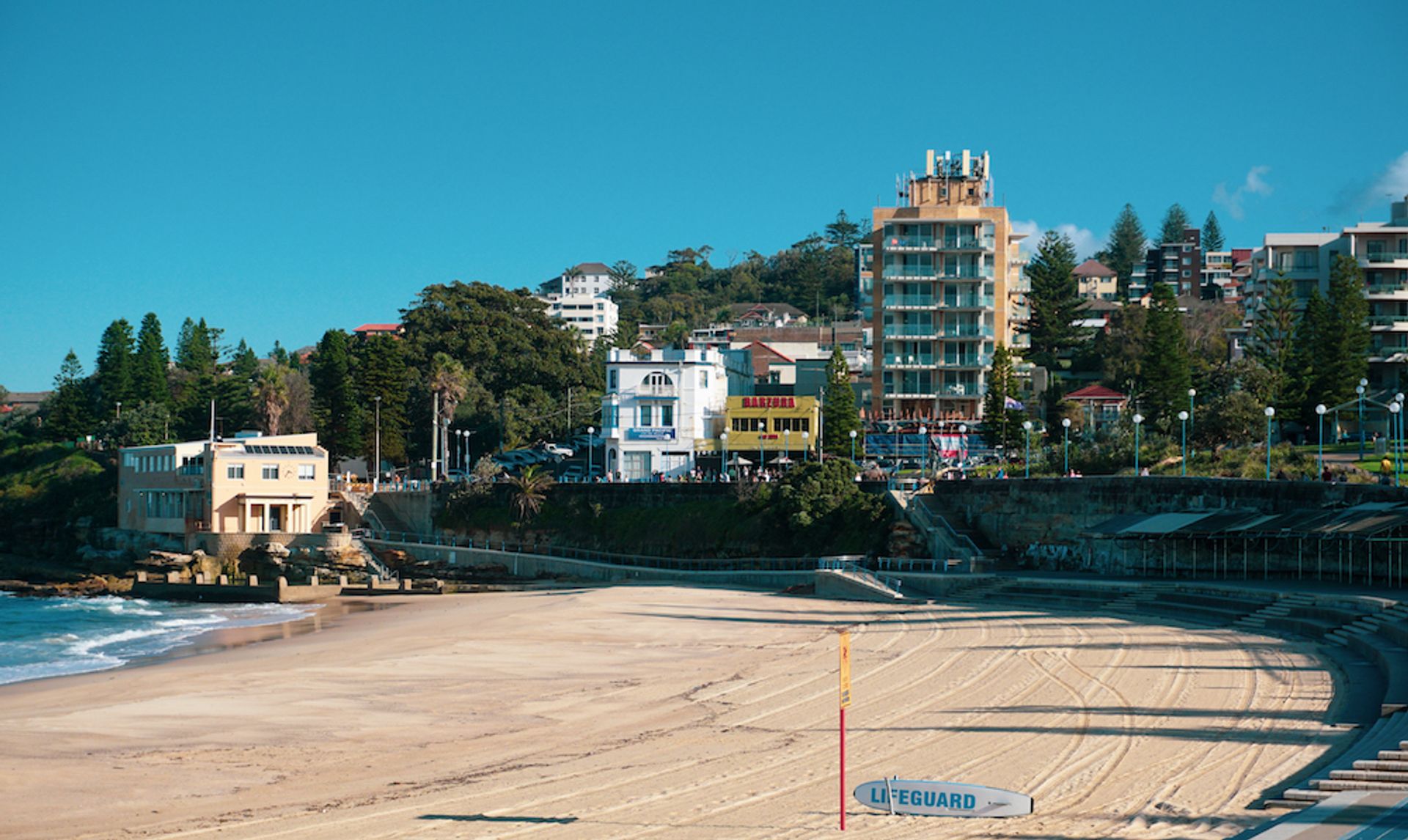
Alice's photography from Sydney in lockdown
I was so relieved when February finally rolled around and I was released from prison, my bank account recovered, the hangover a distant memory and spring on the way. I was ready to crack open a bottle of wine and enjoy life again.
When I quit alcohol in April 2020, I felt pretty rough for the first 2.5 months. I was anxious, tired, overthinking, and felt like a horse on ice at the pub. “You’re the fun one then,” the bartender said as I ordered my first alcohol-free beer, confirming my worst fears that everyone thought I was boring. It wasn’t an easy time. But I’m here to tell you that was not the sober experience, that was just the transition.
The actual experience began one sunny day in Melbourne almost three months to the day that I’d had my last drink. I needed to take a new DKNY jumpsuit to the tailor, the kind of chore I used to dread and put off for months. This time, I bounced to the tailor. I felt great – sparkly, energised, productive. I felt new. The way I used to feel before I drank regularly, back when I was a child.
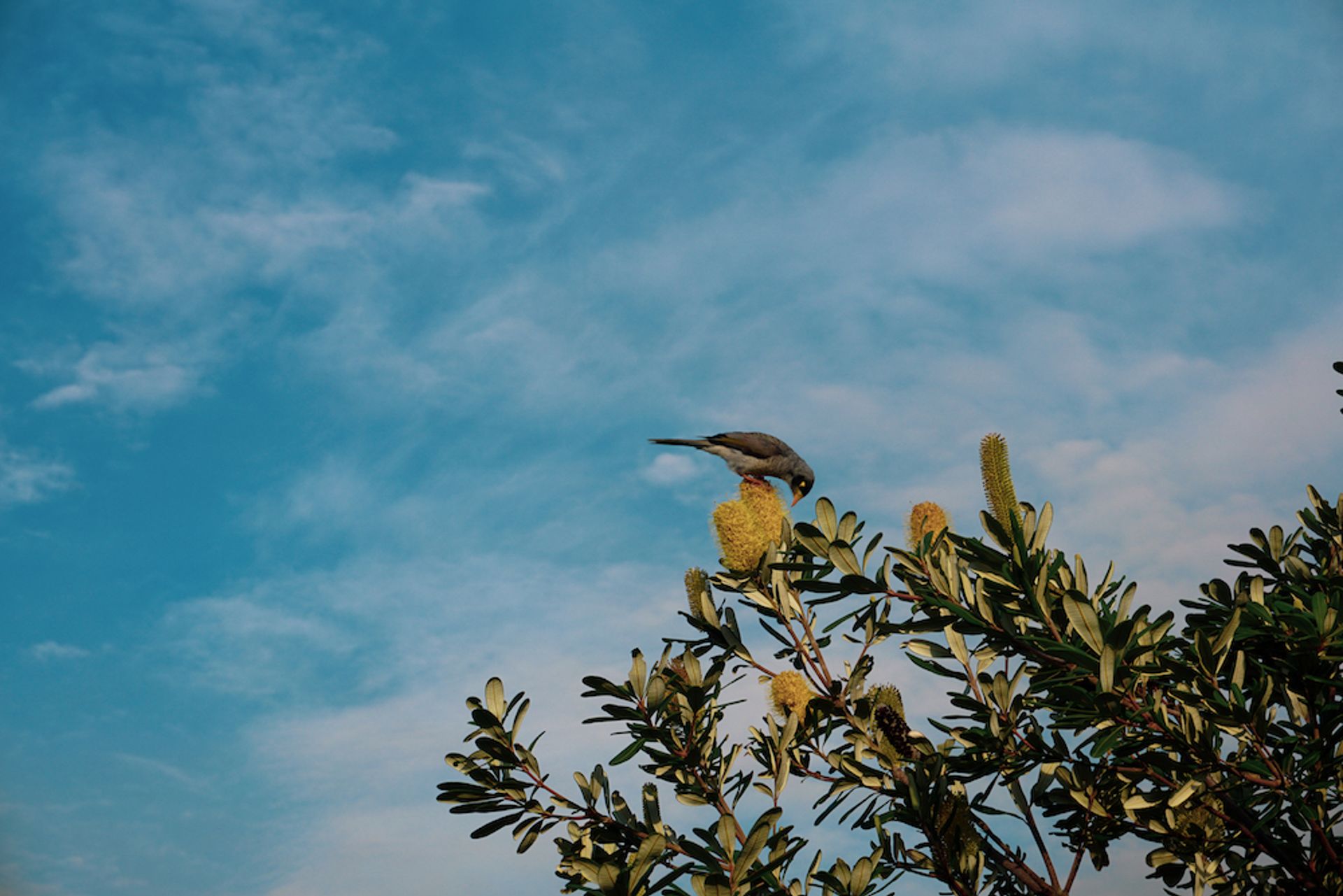
Alice's photography from Sydney in lockdown
That’s when I glimpsed the reality of long-term sobriety for the first time. Yes, I would miss the hedonism of big nights out and after-parties, but I couldn’t ignore the improvement in my mood, my sleep, my writing, my communication. Before, I was my best self in the pub, two pints deep. Now, I was chatty and buzzed on a daily basis without any booze.
It took a while to build up my social battery. At first, I got tired after spending more than a couple of hours in a big group of friends. But after about one year, my energy came back, and now I regularly stay out til 3 or 4am on nights out.
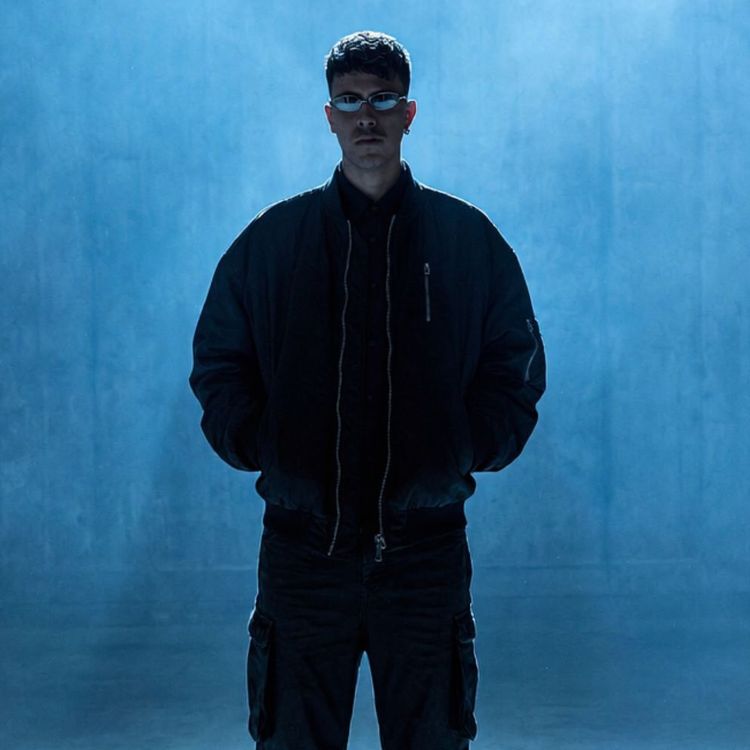
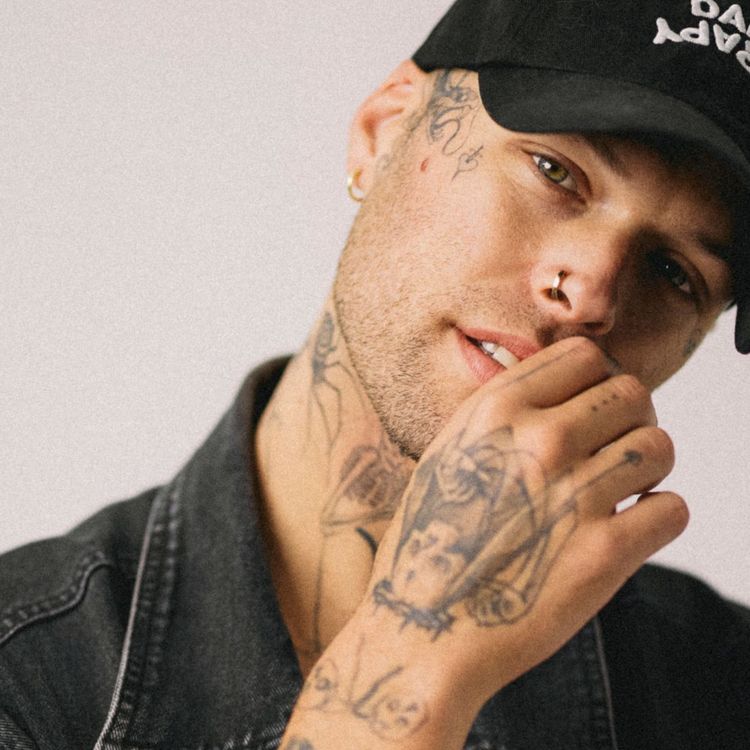
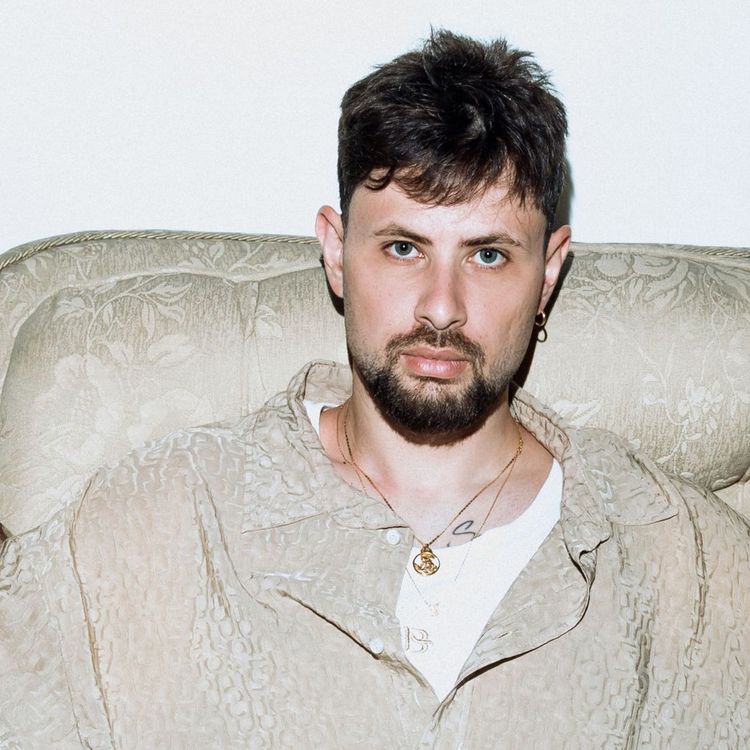
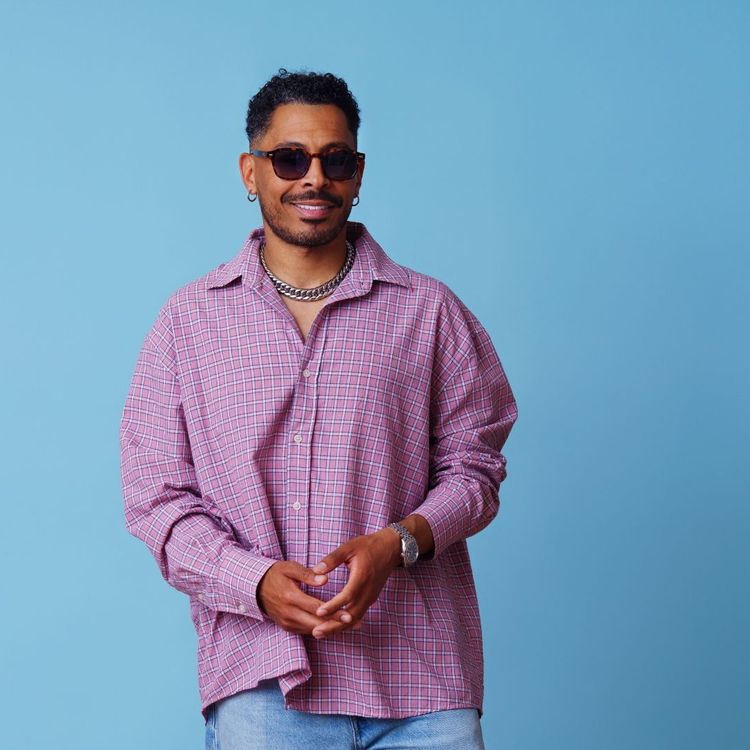
This January, I spent several hours speaking to major dance music artists about their sobriety journeys. I spoke to Sam Divine, who told me about the events and addictions that led to check herself into rehab in early 2025. I spoke to Jumpin’ Jack Frost, who told me how he spent the majority of his career totally sober until his mid-30s, when things escalated and he found himself smoking crack cocaine. I spoke to Tony y Not, who, like me, sat more on the social addiction spectrum, and I spoke to hrdvsion, who told me that alcohol became an aggressive attempt to overcome his social anxiety, especially in nightclubs.
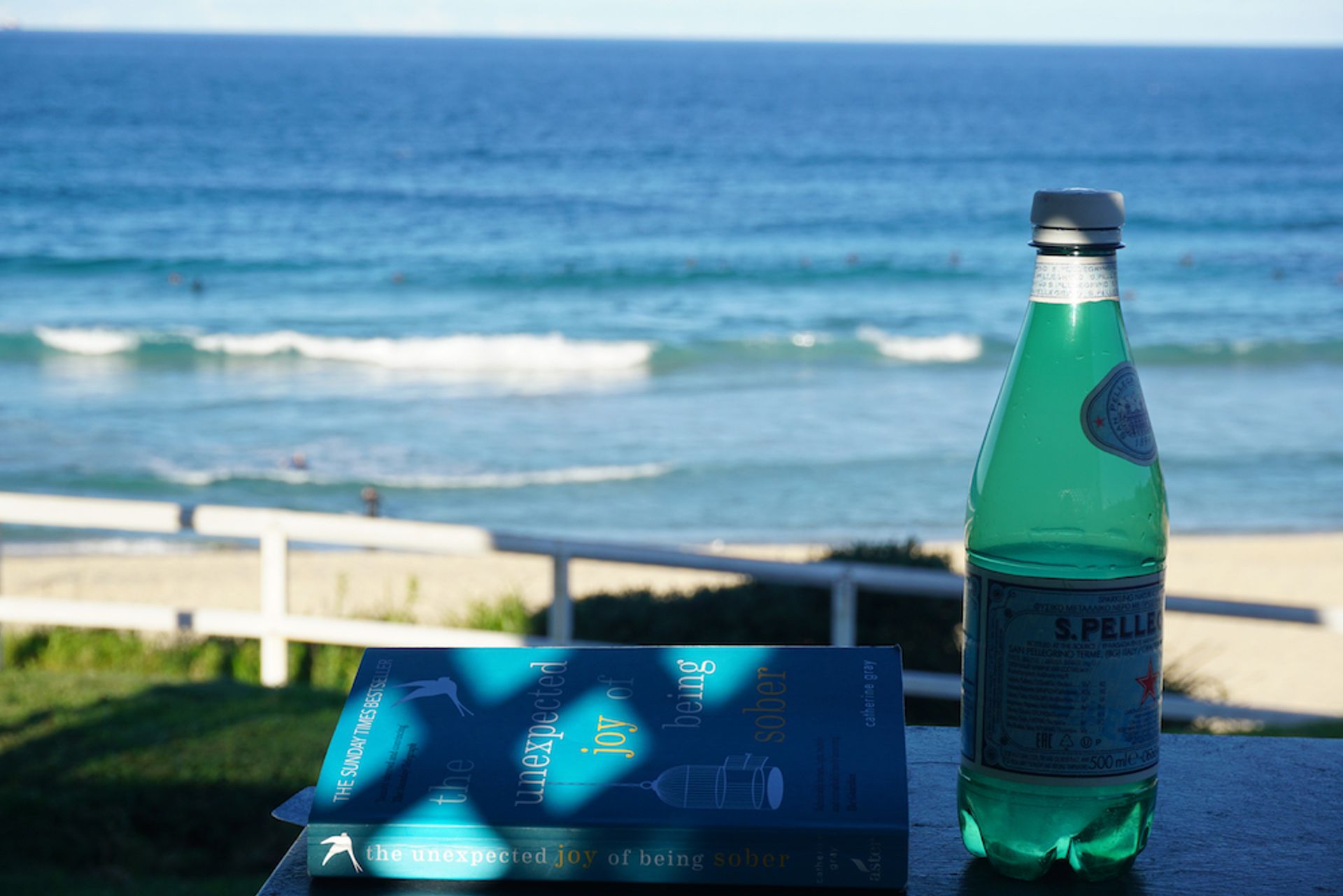
Alice's photography from Sydney in lockdown
I also interviewed three wellness practitioners about burnout within dance music for Gray Area’s magazine. We spoke about the need for more wellness and healing spaces for folk working in nightlife, and they shared an inspiring range of workshops that help nightlife professionals prioritize health and wellbeing and manage the pressure that comes with working in this industry.
I found all of these conversations nourishing. Feedback on the articles has been overwhelmingly positive, and I’m proud I’m able to bring these conversations to the fore.

Alice's photography from Sydney in lockdown
And that’s exactly why I’m writing this column as we move into February. It’s for anyone who’s just wrapped up a hellish dry January, and feeling unsure about whether to keep going or default back to old habits. There’s no judgement either way, but science says it takes about three months to feel the full benefits of sobriety. Perhaps once you get there, you won’t want to go back.
So to answer my earlier questions: Do magazines still hire me to write about nightlife? Yes. Do labels and promoters want me to write about their club nights? Yes. Do I still want to go to clubs? Yes. Do I miss out on all the fun? Some of it. Does everyone think I’m boring? I hope not.