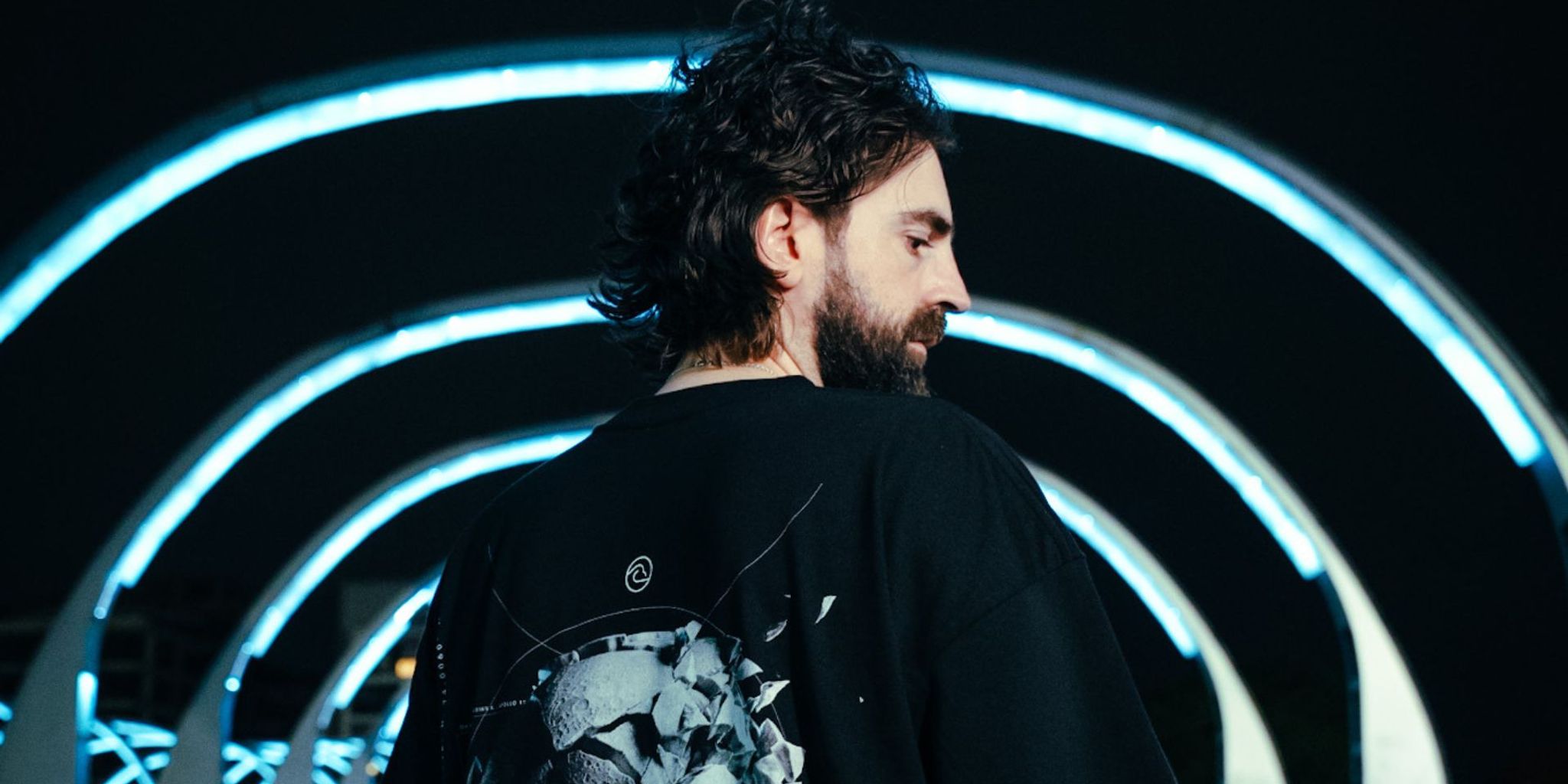
David Lindmer Interview: The Details That Change Everything

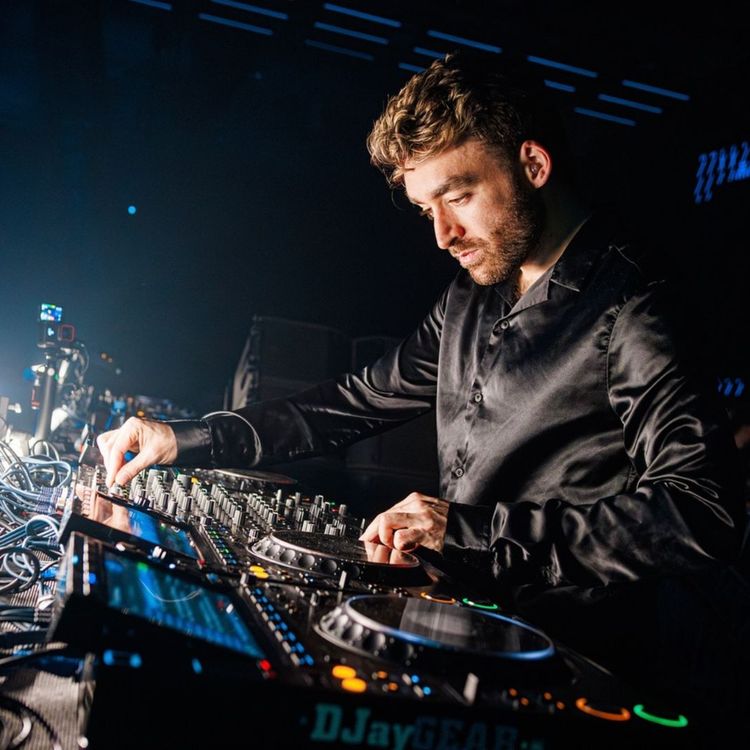
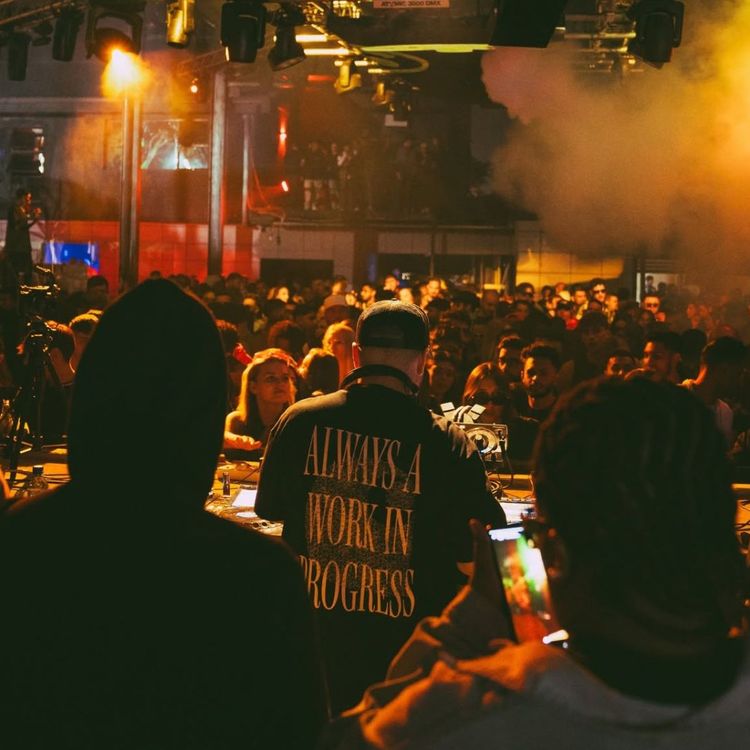
British producer and DJ David Lindmer has built his name in melodic techno by doing the opposite of chasing quick moments. His sets are designed to unfold slowly, driven by atmosphere, tension, and careful progression, and his studio work follows the same mindset—focused, detailed, and built for the kind of clubs where time feels different after 2AM. It’s a sound that’s earned him releases on Afterlife, Purified, Upperground, Simulate, as well as his own label Running Clouds, and has placed him on lineups across Europe, North and South America, and the Middle East.
One of the biggest turning points in Lindmer’s career came in Tulum, when he heard his own music played at Afterlife for the first time—then found out the record was being signed immediately after. It’s the kind of milestone that can change everything, but Lindmer’s perspective stays surprisingly grounded. Away from the booth, he’s not living in nightlife mode 24/7. He’s someone who likes structure as much as creativity, who obsesses over arrangement in the studio, and who can happily spend hours fine-tuning details most listeners will never notice.
In this interview, Lindmer talks about the realities behind his rise, the importance of building a full story rather than relying on one “big track,” and the cities and moments that have stayed with him—from Córdoba to New York to his first shows in Argentina. He also shares what inspires him outside of techno, what he reaches for when he wants a set to feel right, and why the quiet morning after a show might be his favorite part of the entire cycle.
What’s one thing most people don’t know about you?
Most people assume my life revolves around nightlife. Offstage, it’s a lot more grounded than people might expect.
If you weren’t a DJ/producer, what would you be?
Something that mixes creativity and structure. I enjoy building systems and shaping ideas, whether that’s in music or not.
What’s the most memorable moment of your career?
Hearing my music played for the first time at Afterlife Tulum, then being told afterwards that the record was being signed. That moment was huge. I remember trying to act normal.
Who’s an artist that inspires you right now?
The Chemical Brothers. I went to see them last month at KDC - it was ridiculous I couldn’t stop dancing!
What’s a track you play when you want to get the crowd hyped?
To be honest I don’t have one go-to track. I’m more focused on the journey. But if you had to push me I would say Right Here, Right Now by Fatboy Slim which I remixed recently.
What’s your go-to snack or drink before a show?
I tend to keep it light. Usually just water, or a coffee if it’s early!
What’s your favorite city to play in, and why?
Córdoba in Argentina. That one really sticks in my mind as the connection with the people there was so special.
How would you describe your sound in three words?
Dark. Cinematic. Groovy.
What’s one non-music-related thing that makes you happy?
Tottenham Hotspur. It’s a complicated relationship, though!
What’s a track that always brings you back to your roots?
Daft Punk — “Around the World.” It was the first record I ever bought on vinyl, and I still have it.
If you could collaborate with any artist, dead or alive, who would it be?
The late Andrew Weatherall. A true maverick.
What’s your favorite non-music-related hobby?
Golf. It’s annoyingly hard, but somehow still relaxing.
If you could time travel to any era of music history, when would it be and why?
Late ’90s to early 2000s electronic music. Genres were less defined, and people were experimenting more freely.
What’s a record that never leaves your crate or USB?
Massano — “The Feeling.” It’s one of the first tracks I signed to Running Clouds, and it still works every time.
If you weren’t touring or in the studio, where would we find you?
Flannery’s (the NY Spurs bar) on matchday, usually questioning my life choices.
What’s a fun fact or hidden talent that has nothing to do with music?
I’m much better at table tennis than anyone expects. I won a mini tournament in Tulum against a group of DJs, which is now my proudest non-music achievement!
What is something simple that makes you smile?
A cup of tea in the morning. Quiet moments before the day properly begins.
What’s a memory you never want to let go of?
The feeling after a set when you know you did well and really connected with the crowd. I’ve only felt that a few times—NYC last June, Afterlife Tulum, and my first shows in Argentina.
When do you feel the most at peace?
Early mornings or late at night. The morning after a show is always nice, when everything feels quiet again.
What are some things you forget but feel better when you’re reminded about?
To pause and appreciate what I’ve already achieved in music, instead of constantly comparing myself to others or chasing the next thing.
What’s something meaningful to you, but not to others?
The small details inside each track that most people would never notice, but completely change how it feels to me.
What personal prison have you built out of fear?
Like a lot of artists, I tend to overthink decisions instead of trusting my instinct.
What’s something normal to you that other people find weird?
Spending hours fine-tuning tiny details and listening to the same loop on repeat.
If you could compliment yourself, what would it be?
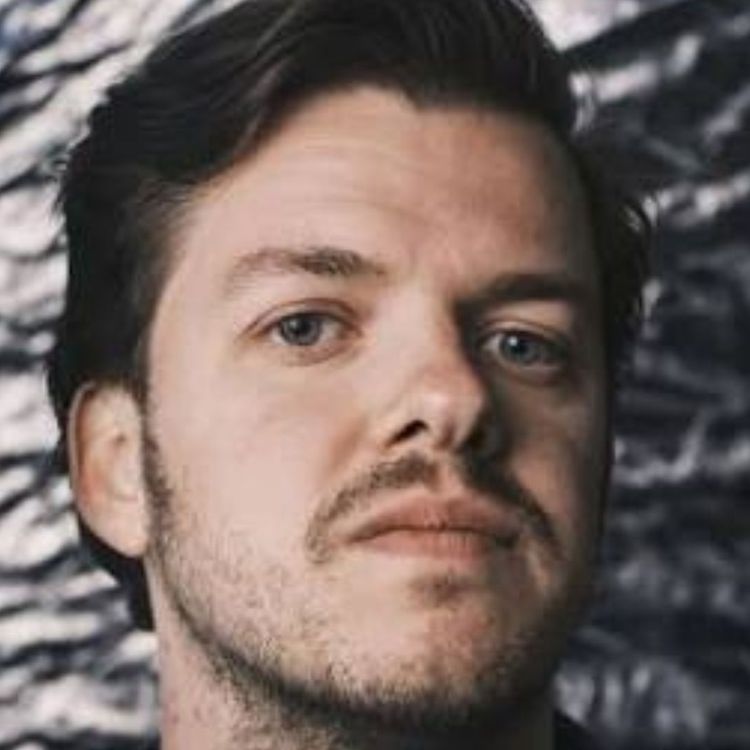
I have stayed remarkably consistent with the beard and hair.
What makes you cringe when you listen to your early material?
Some of my older productions sound dated now, but I wouldn’t change them. They reflect where I was at the time.
What do you obsess over most in the studio?
Arrangement. I’m always asking whether a part actually needs to be there.
What is your favorite set time and duration?
Late nights and extended sets. Two hours minimum, ideally longer.
If you could erase one musical genre forever, which would it be?
Probably one of those genres that suddenly appears in every DJ set at the same tempo all of a sudden. I’m looking at you Afro house.