Silence, Finally: The New Tech Aiming to Mute Tinnitus for Good

The persistent ring in the ears—tinnitus—is something that around 7 million people in the UK and one in six people in Sweden deal with every day. For some, it’s a faint hum after a concert, but for millions of others, it’s a constant, intrusive presence that impacts sleep, work, and mental health. While the medical world has long focused on just "coping" with the sound, a new wave of research is finally looking at how to actually turn the volume down.
The Science of the "Phantom" Signal
To understand the solution, you have to understand the glitch. Tinnitus isn't actually a sound in your ear; it’s a phantom perception created by your brain. When the tiny hair cells in your inner ear get damaged—often from loud environments or just the wear and tear of modern life—the brain stops receiving the signals it expects.
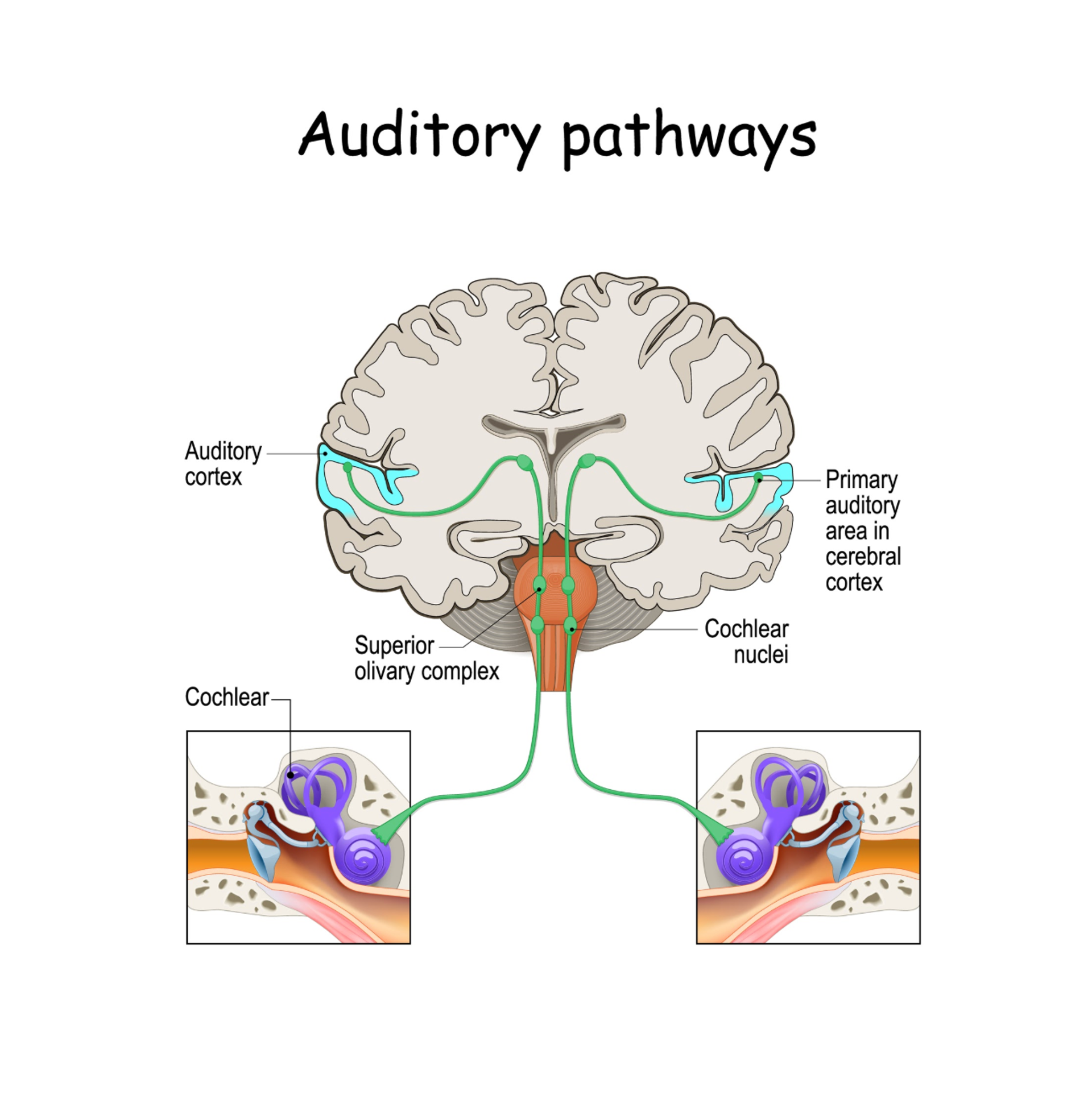
To make up for this silence, the brain’s auditory center essentially "turns up the gain." It creates its own activity to fill the gap, resulting in that high-pitched ringing or buzzing. Researchers at the Karolinska Institutet found that this isn't just about loud noise; genetics play a massive role, too. If you have ringing in both ears, there’s a high chance your DNA made you more susceptible to it.
A New Approach: Breaking the Loop
This is where the new trial from Newcastle University comes in. Dr. Will Sedley and his team realized that tinnitus happens because certain brain cells start firing in a synchronized loop—kind of like a crowd at a stadium chanting the same thing over and over.
The team developed Acoustic Ripple Therapy (ART). Instead of just playing "white noise" to mask the sound, this therapy uses synthetic musical notes that are constantly being tweaked in volume and pitch. In their trial of 77 people, participants listened to these sounds for an hour a day.
The results were a major "proof of concept." By constantly changing the audio input, the therapy forced the brain cells to stop "chanting" together. On average, people saw a 10% drop in how loud their tinnitus felt, and the effect stuck around for three weeks after they stopped the treatment.
Therapy in Your Pocket
The most relatable part of this research is how it might reach us. Most 20-to-30-year-olds are already glued to their headphones, whether for a commute or a workout. Dr. Sedley’s goal is to turn that habit into a remedy.
The plan is to build this tech into a mobile app. Even better, the researchers want to layer these "rippling" audio changes over the stuff you’re already listening to—like your favorite podcasts or Spotify playlists. If the tech is embedded in your daily media, you could rack up hours of therapy without ever feeling like you’re in a clinical session.
Looking Ahead
While we wait for the app to go public, the advice from experts like Christopher Cederroth is clear: watch the decibels. If your phone gives you a red warning for going over 85 decibels, listen to it. Permanent damage can happen slowly, even if you’re just listening at a "moderate" level too often.
We are moving away from the era where people are told to "just live with it." Between genetic discoveries and new audio-shaping tech, the goal is shifting toward a future where we can finally find some silence.