Martin Ikin on Ear Health, Touring Challenges, and Returning to the Stage

Hearing health is rarely discussed in the dance music world, but it’s a very real issue that many DJs and producers quietly deal with behind the scenes. Constant exposure to loud environments, long tours, and high-pressure schedules take a toll. UK house music heavyweight Martin Ikin recently opened up about his diagnosis of endolymphatic hydrops, a rare inner ear condition that has impacted his ability to fly, perform, and even listen to music.
After canceling several shows due to worsening symptoms, Martin has chosen New York as the city for his return to the stage. It's a deeply personal milestone after months of recovery and lifestyle changes. His honesty around the physical and mental toll of this condition sheds light on an important issue that’s often left unspoken in the music community. Here's what he had to share with us.
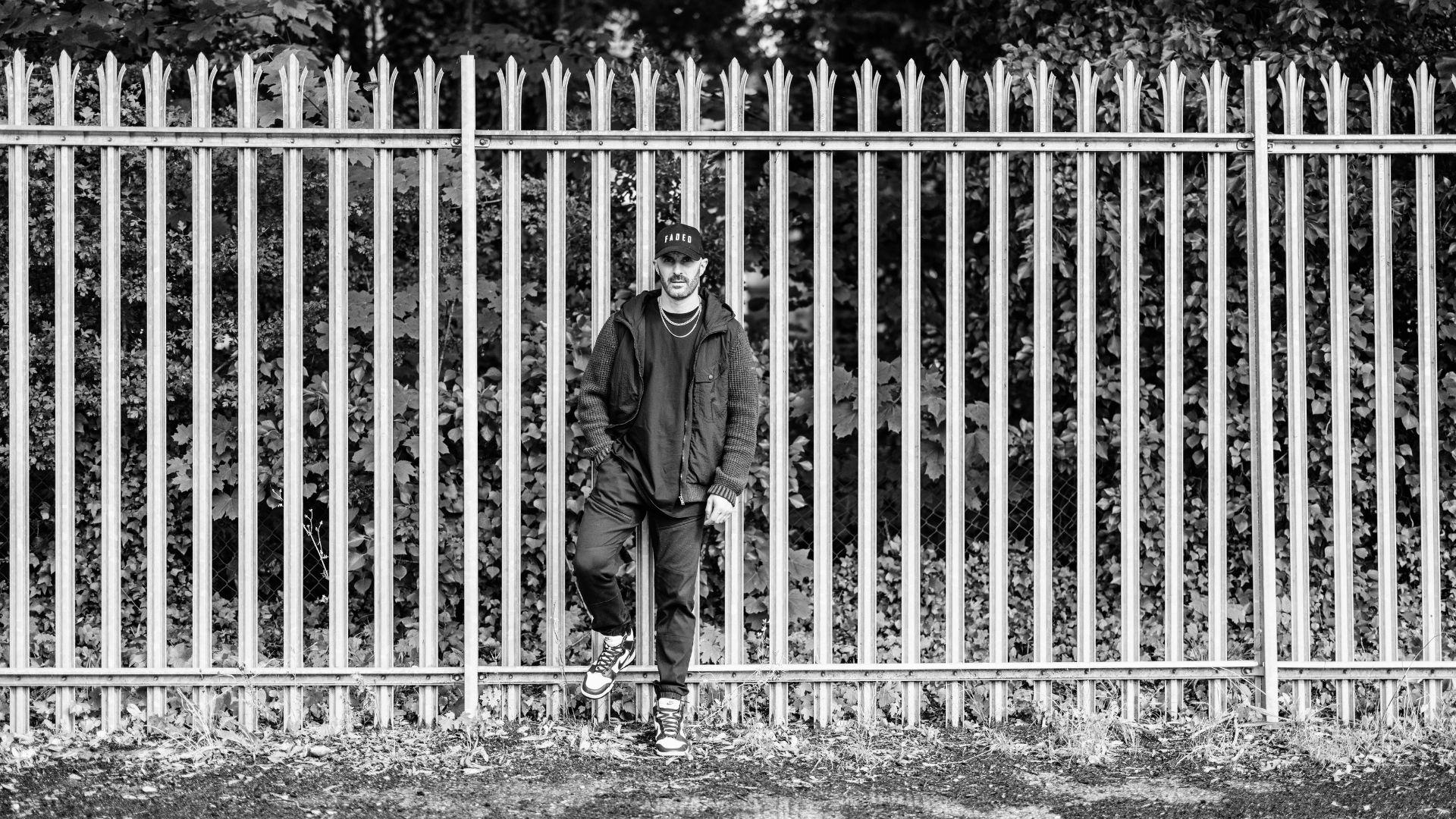
You recently opened up about being diagnosed with endolymphatic hydrops, a condition many people may not be familiar with. What has it been like navigating such a serious ear issue while being a full-time touring DJ?
Yes, as most people know, I’ve been having ear problems for a few years now, with no diagnosis from any of the specialists I had seen. Over time, the condition slowly got worse and ultimately led to an “inner ear attack.”
Luckily, I saw someone the day after the attack who ran a huge amount of tests and was extremely thorough. They finally gave me a diagnosis, which meant we could start treating it — that was a huge relief and gave me some light at the end of the tunnel.
Unfortunately, it’s one of those conditions that affects your whole life. The symptoms can stop you from doing nearly everything when they’re bad. The pressure in your ears can make flying, driving, cycling, or even using an elevator really difficult. The dizziness makes it hard to read or focus on anything. And the intermittent muffled and overly sensitive hearing makes it hard to listen to music or even want to socialize.
You really have to be careful not to become a recluse, because that’s how it can make you feel sometimes. Thankfully, I’m now on some medication and supplements that help reduce the excessive fluid pressure in the inner ear and suppress the virus that causes it. It’s not a quick fix, but things are so much better now than they were.
Flying and loud environments can be especially challenging with this condition. Can you share what went into your decision to cancel shows — and why playing the upcoming New York show feels like such a significant milestone?
Exactly. As I mentioned above, loud environments are a challenge because of the hyperacusis (sensitive hearing), but the main reason I had to cancel touring shows was the flying.
The cabin pressure on planes is known to make the symptoms worse, basically undoing what the medication is working to fix. So, I had to take a few months off to give the treatment time to help reduce the pressure in my inner ear.
The New York show will be my first weekend back touring since all of this started. I’m really excited to be performing again — especially in New York.
Aside from taking medication, are there any other steps or precautions you’re taking before getting back on stage to protect your ears and manage your condition?
Yes, managing this condition requires a complete lifestyle shift. That includes a full diet change — no salt, which makes eating on the road tricky. Running every day also helps with the dizziness. I avoid elevators now, so no high-rise hotels — which can be tough in some places, especially in the U.S.
I also stick to what I was already doing: wearing earplugs and avoiding prolonged loud noise exposure. That means I can’t really hang around too long after my sets anymore.
As someone who has been in music for decades, have you noticed a shift in how hearing health is discussed in the industry — or is it still something people shy away from?
I do think there’s more awareness now than there was in the ’90s. Back then, no one wore earplugs — and even if you wanted to, they were hard to find.
That said, I’m still surprised to see so many DJs cranking booth monitors for hours without any protection. I’m like the old boring dad now, constantly telling everyone to wear earplugs!
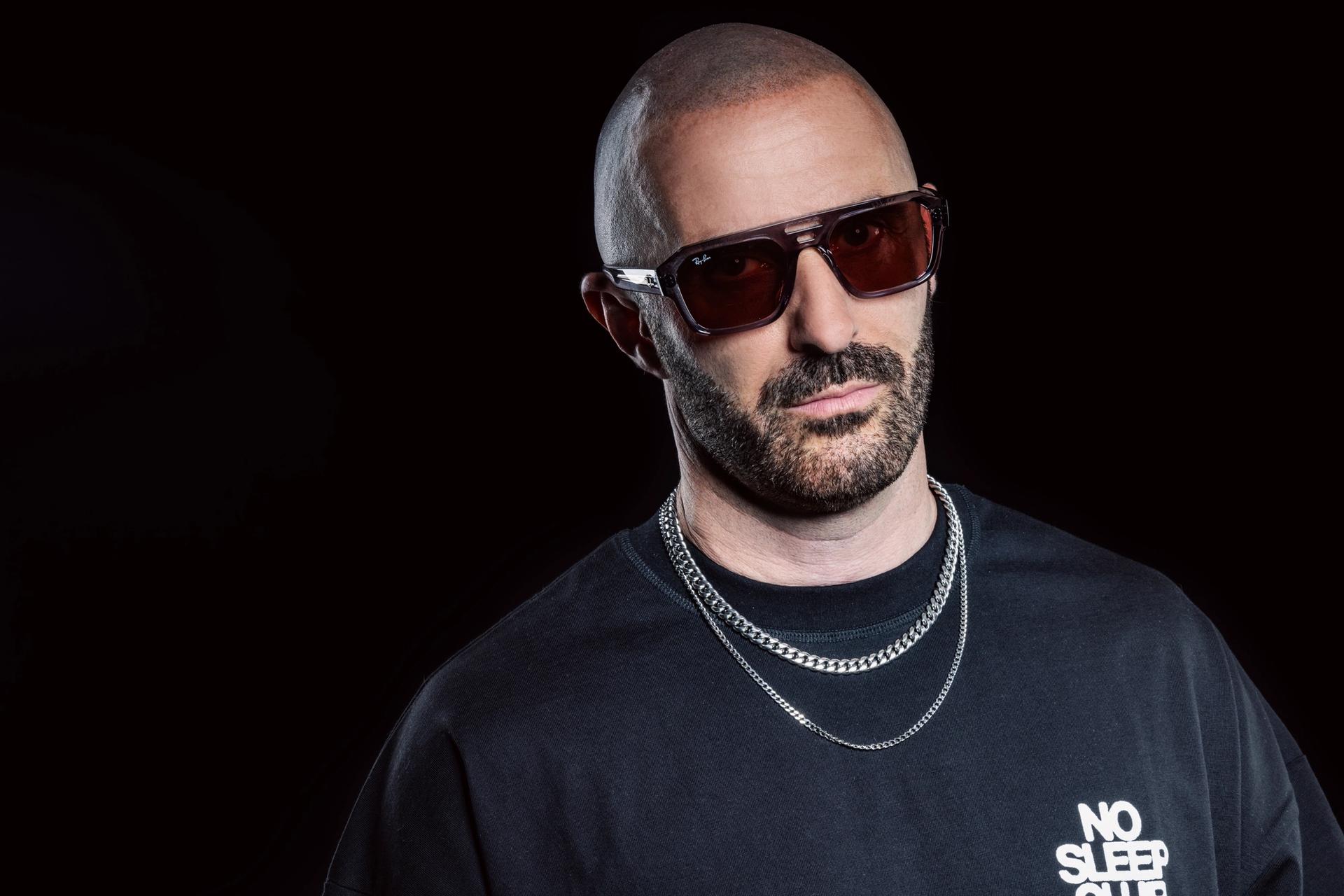
How has this diagnosis changed your relationship with music — both in the studio and behind the decks?
I’ve had to seriously scale back my studio time this year. That’s why I haven’t released as much as I normally would. But that will gradually return to normal as things continue to improve, so I’m not too worried.
What have you learned about managing your physical and mental health while touring? What advice would you give younger artists who may not think about long-term hearing damage?
Honestly, dealing with this has been just as hard mentally as it has been physically — if not harder. It can really take you to some dark places if you don’t keep on top of your mental health. That’s probably been the toughest part of it all.
It’s hard for someone who’s never dealt with this to understand just how overwhelming it can be. Thankfully, I’ve got a great support system around me. Without them, I’d be in serious trouble.
So my advice — and what I’m constantly preaching to any DJ who will listen — is: please wear earplugs at every gig. And don’t take them out halfway through — that defeats the point.
In facing something this intense, has your perspective on your career or life as an artist shifted at all? What matters most to you now when deciding which gigs to take and how you balance health with the demands of touring?
Absolutely. As a music lover and lifelong DJ, my instinct has always been to say yes to every gig. But now I have to carefully weigh what I can handle versus what’s just too much.
Especially when long-haul flights are involved, it’s all about balance now. Fewer gigs — but the right ones. That’s the new mindset.