11 Femme DJs on the Challenges of Being a Woman in Music

While the joys of working in music are powerful, the path has not always been easy.
In Part One of our Women’s History Month series, we asked 11 femme DJs to share the best part about being a woman in music, highlighting themes of connection, community, and inspiration. Now in Part Two, we asked the same artists to speak candidly about the challenges they have faced in the industry.
From navigating stereotypes to working harder to be taken seriously, their responses shed light on realities that still exist today.
But these stories are not just about obstacles. They are about resilience, growth, and the determination to continue creating space for future generations of women in music.
Below, these artists share their honest reflections on the hurdles they have encountered along the way.
Deer Jade
“In the beginning there were definitely some prejudices. People assumed that because we are women we cannot do it as well, or that our success is not because of our talent. I would just smile and know deep down that I had to keep working hard and pour all my love into what I do until it eventually becomes undeniable.”
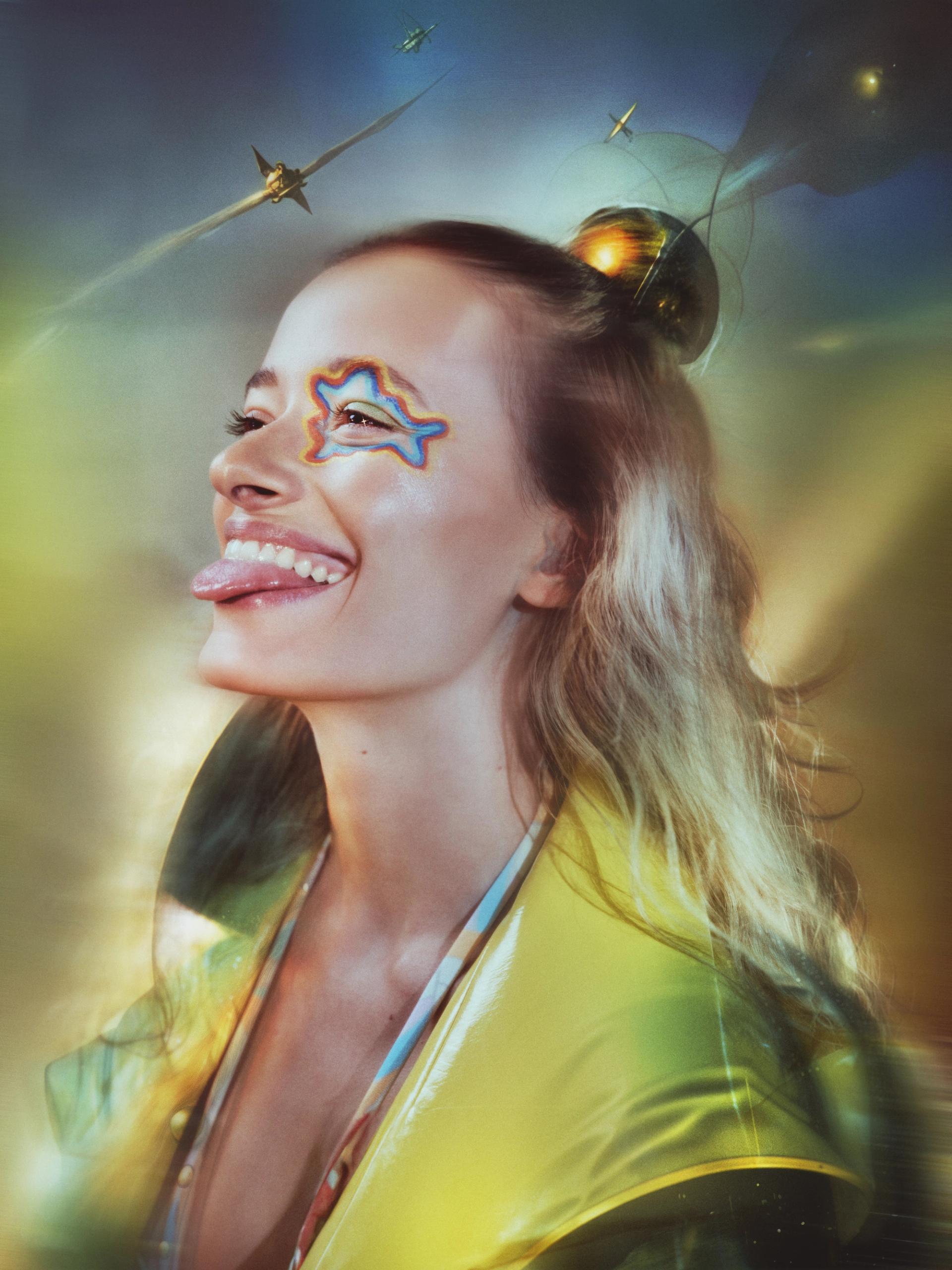
Shubostar
“The challenge comes from the contrast. After the gig, that privilege fades quickly, and the difference in how Asian women are treated becomes clear. That is why I feel a responsibility to stand up for and support other women.”

EMJIE
“I have definitely had to work harder to be taken seriously and to secure better slots. As a woman, you are easily underestimated and overlooked on lineups.”

JOPLYN
“There is often an invisible pressure to be agreeable, grateful, and easy to work with, even when you need to set boundaries. Learning to take up space without apologizing has been a journey.”

Marieme
“In the beginning, I approached my life as a woman in the industry with a mindset shaped by the obstacles I had heard about. I knew about them in advance and internalized them, and that became my biggest challenge. I went into situations not valuing myself and letting people dictate the direction I went in. I gave my power away.

When I changed my perspective and told myself, ‘I am going to decide my fate. I am limitless. I am forging my own path,’ I ended up in places where I was valued, where my gender was not even considered. I think that is the goal: to build and move forward instead of always feeling like you have to fight against something. I have realized that the energy I put out and what I believe about myself matter more than any systems that came before me."
VNSSA
“Misogyny.”
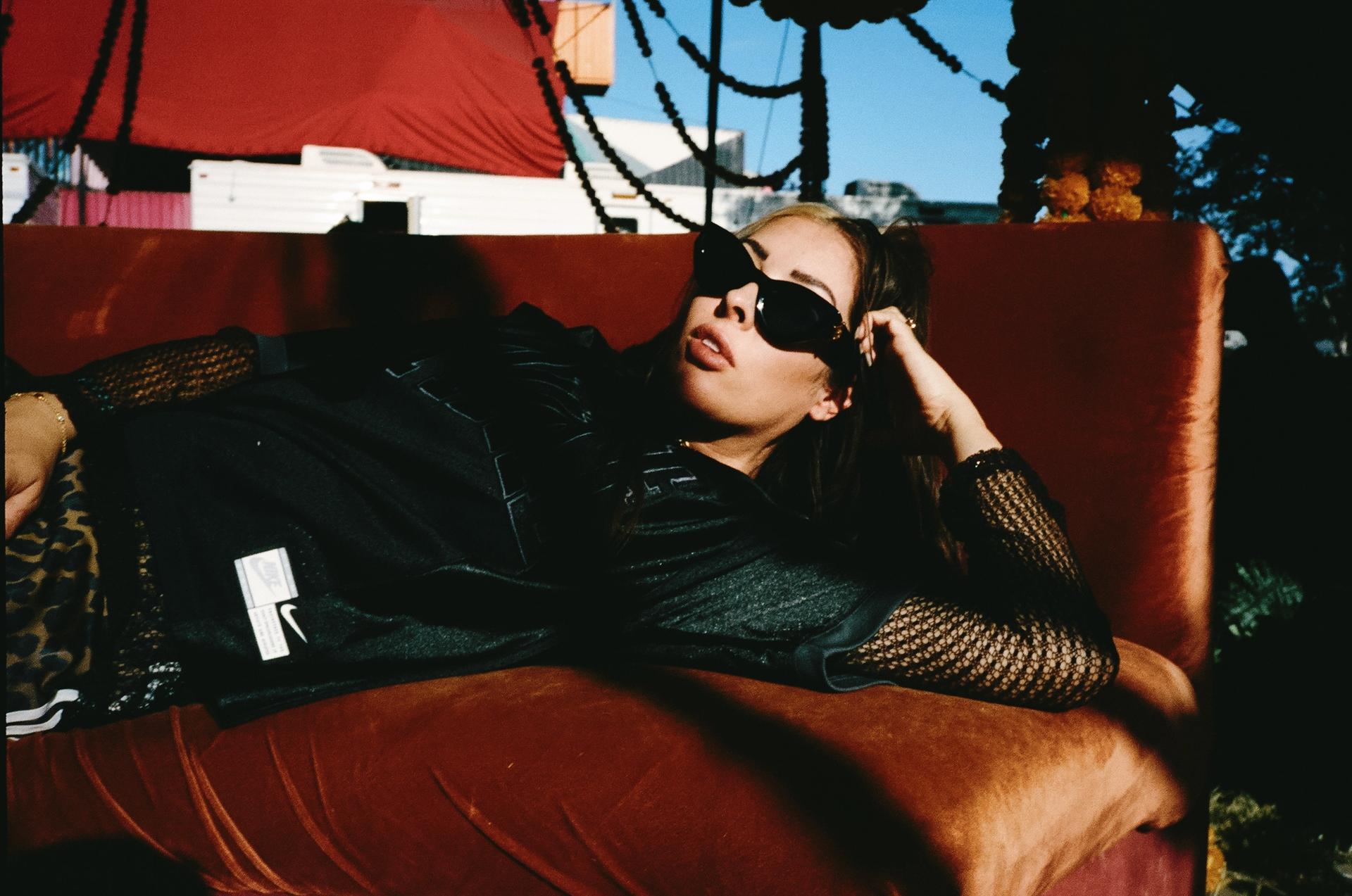
Mona Matsuoka
“Everyone faces challenges as a woman in the industry, but I have noticed that sometimes I have to be louder than the boys or they will not listen. It is a constant lesson when I am in a room with my male producers, reminding myself that I need to speak up more.”

airrica
“Being treated like a quota filler, hearing things like ‘Wow, you are so great for a girl,’ or being spoken to as if I have no idea what I am doing. Yes, it still happens sometimes.”

Fátima
“What feels most challenging for me is this moment in time in the United States as a woman, a Latina, and a first generation immigrant. That intersection shapes how I move through the world, how I feel, and what I create. My existence itself is a form of resistance.

Making and playing music allows me to process, represent my culture, and help others do the same. Angela Davis once said there is no change without hope, and music fuels that hope for me.”
baby-g
"As both an event organizer and a DJ, navigating interactions with less approachable male venue managers and promoters when trying to secure shows can sometimes feel intimidating, especially as someone who can struggle with imposter syndrome. There have been moments where that has led to feeling underestimated or needing to prove my skills and versatility.

Over time, those experiences have helped me grow into a more intentional and confident artist, and supportive femme communities have reminded me to focus on collaboration and creating more inclusive spaces.”
Sasha Atlas
“I think smaller female artists still tend to be overlooked for bigger opportunities, which is why we have had to create our own spaces. It is getting much better though, and I am glad to be part of the next wave of female artists appearing on festival lineups and signing with great labels.”