City Beats: Dublin
In our City Beats series, we explore underground scenes in cities all around the world, and this week we're spotlighting Dublin, Ireland.
Dublin’s dance music history is a story of underground resistance, cultural reinvention, and good craic.
Shaped by social change and queer culture from the late ‘70s onwards, Dublin’s underground is a master of reinvention. The city’s relationship with electronic music has always been intense, with many artists citing Ireland as one of the most galvanising places to perform in the world. Today, we’ll take a look at why that is.
The late ‘70s
One of the earliest sparks came with Flikkers, an iconic queer club night that opened in 1979 in the basement of the National LGBT Federation’s Hirschfield Centre in Temple Bar. At first, they mostly played disco, but it quickly became one of the first club nights to embrace the emerging house sound arriving from Chicago and New York.
At the time, homosexuality was illegal in Ireland, so Flikkers was a sanctuary. It was also socially conscious, providing mental health support helplines and raising funds for people affected by AIDS. When the Hirschfield Centre burned down in 1987, it marked the end of an era, but its influence remained deeply embedded in Dublin’s nightlife DNA.
The late ‘80s
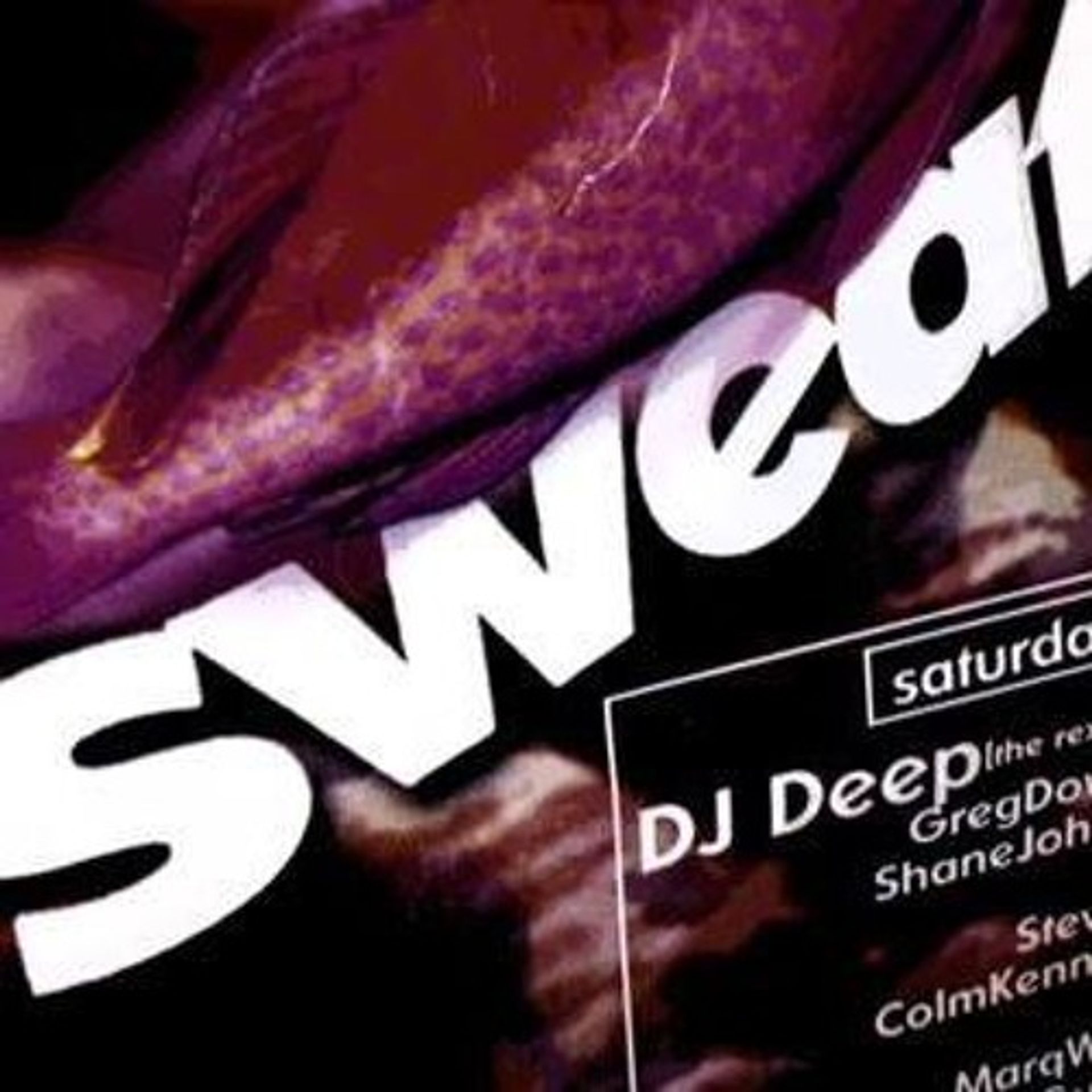
In the years that followed, venues such as Sides, the Olympic Ballroom, The Mansion House, and The Asylum carried the torch, hosting nights that increasingly centred around electronic music. DJs like Fish Go Deep began experimenting with acid house, Chicago house, and European techno, helping to shape a distinctly Irish interpretation of club culture. Their Sweat night at Sir Henry’s in Cork became particularly influential, popularising deep and progressive house across Ireland and feeding directly into Dublin’s evolving scene.
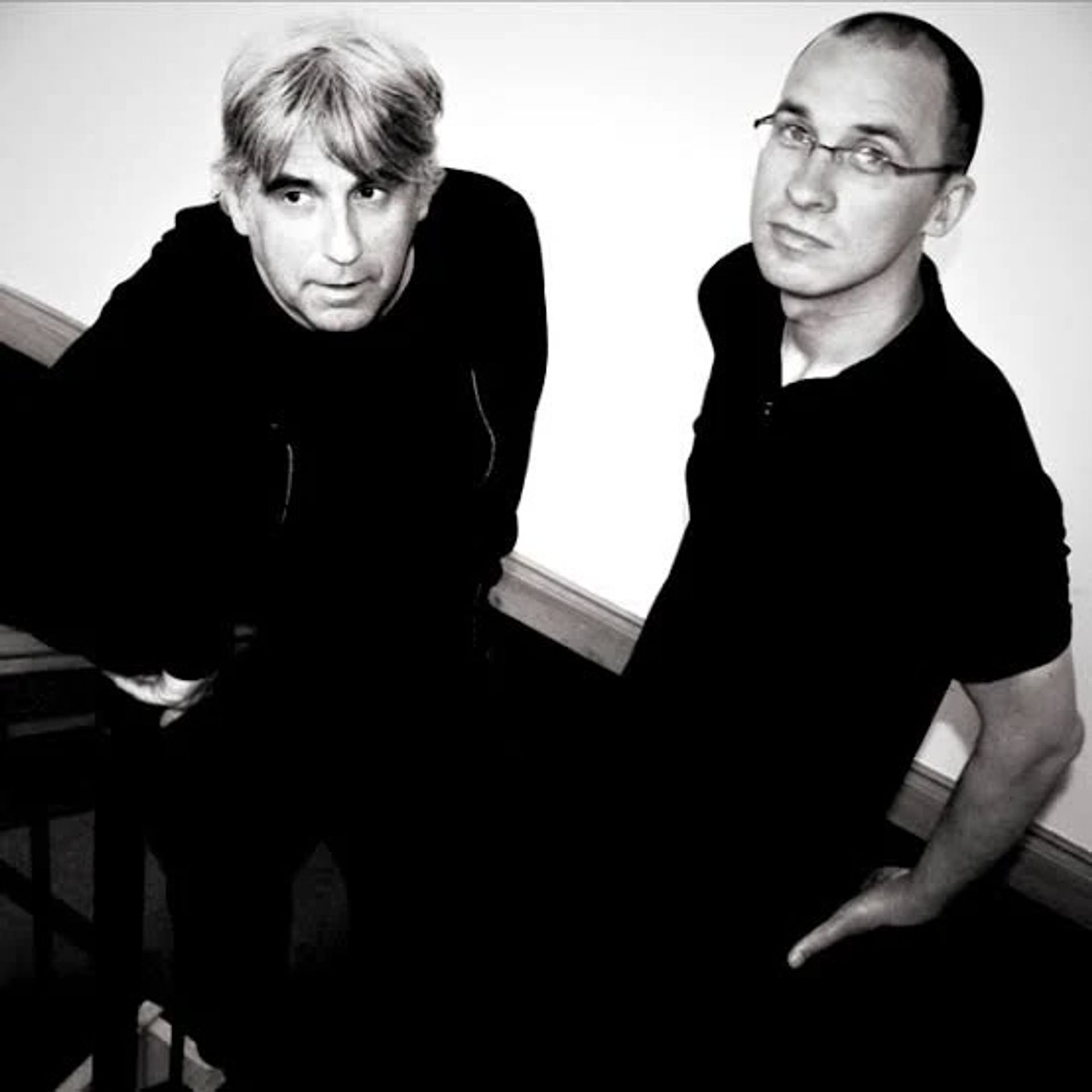
Fish Go Deep
The ‘90s
Another foundational figure was photographer, DJ and producer Eamonn Doyle, who founded D1 Recordings in 1994. The label became a hub for Ireland’s underground electronic community, releasing techno and deep house while also organising warehouse parties and club nights. At this point, Dublin’s dance music culture was no longer just imported. It was a local establishment with its own ecosystem of artists, labels, and spaces.
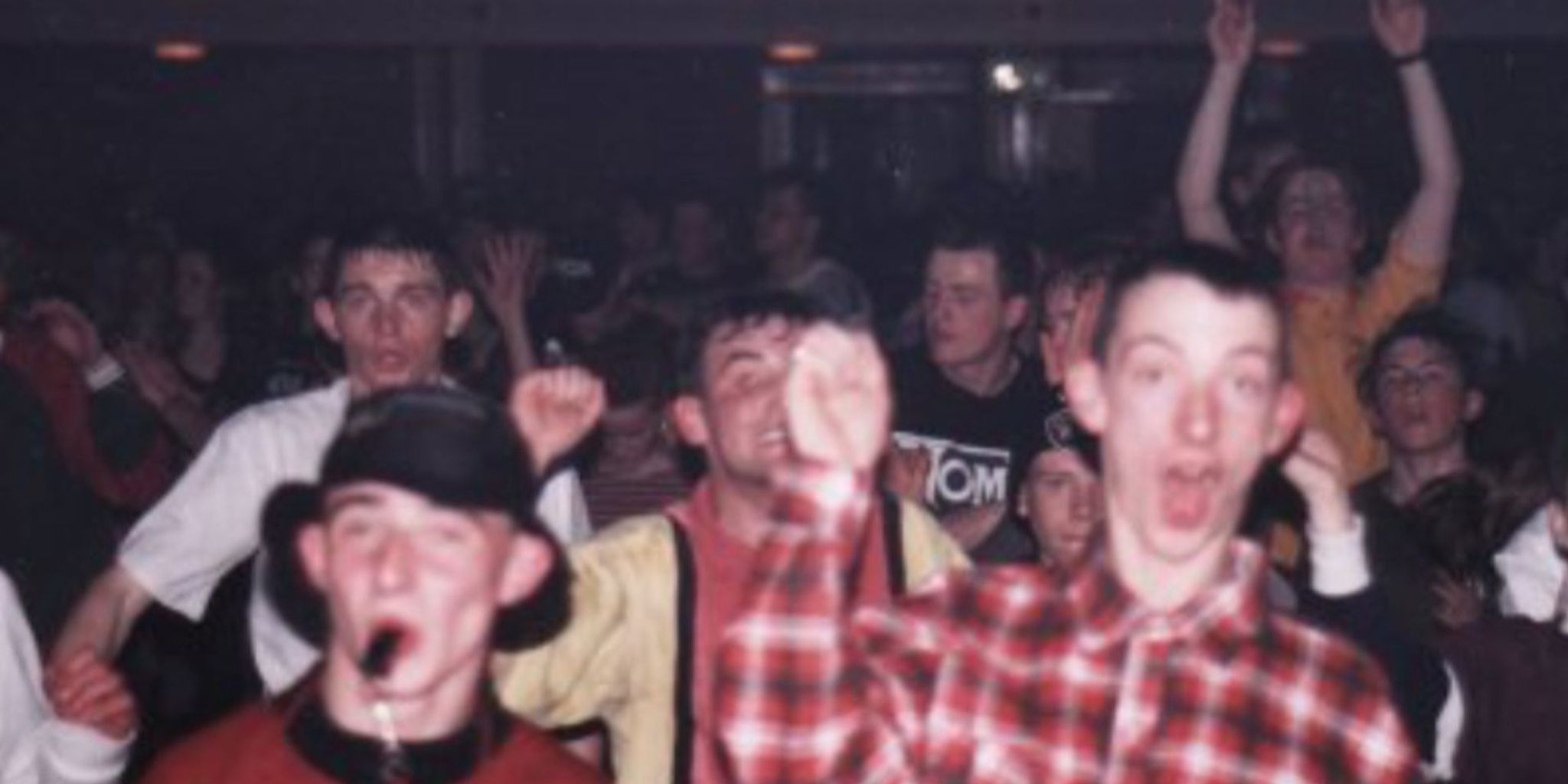
This growth happened against a backdrop of major national tension and transformation. The Troubles in the North, combined with economic stagnation, high unemployment, and mass emigration, created a sense of pressure and uncertainty across Ireland. For many young people, house music arrived as a release valve. Raves and clubs quickly became central to youth culture, offering spaces of expression, freedom, and collective escape.
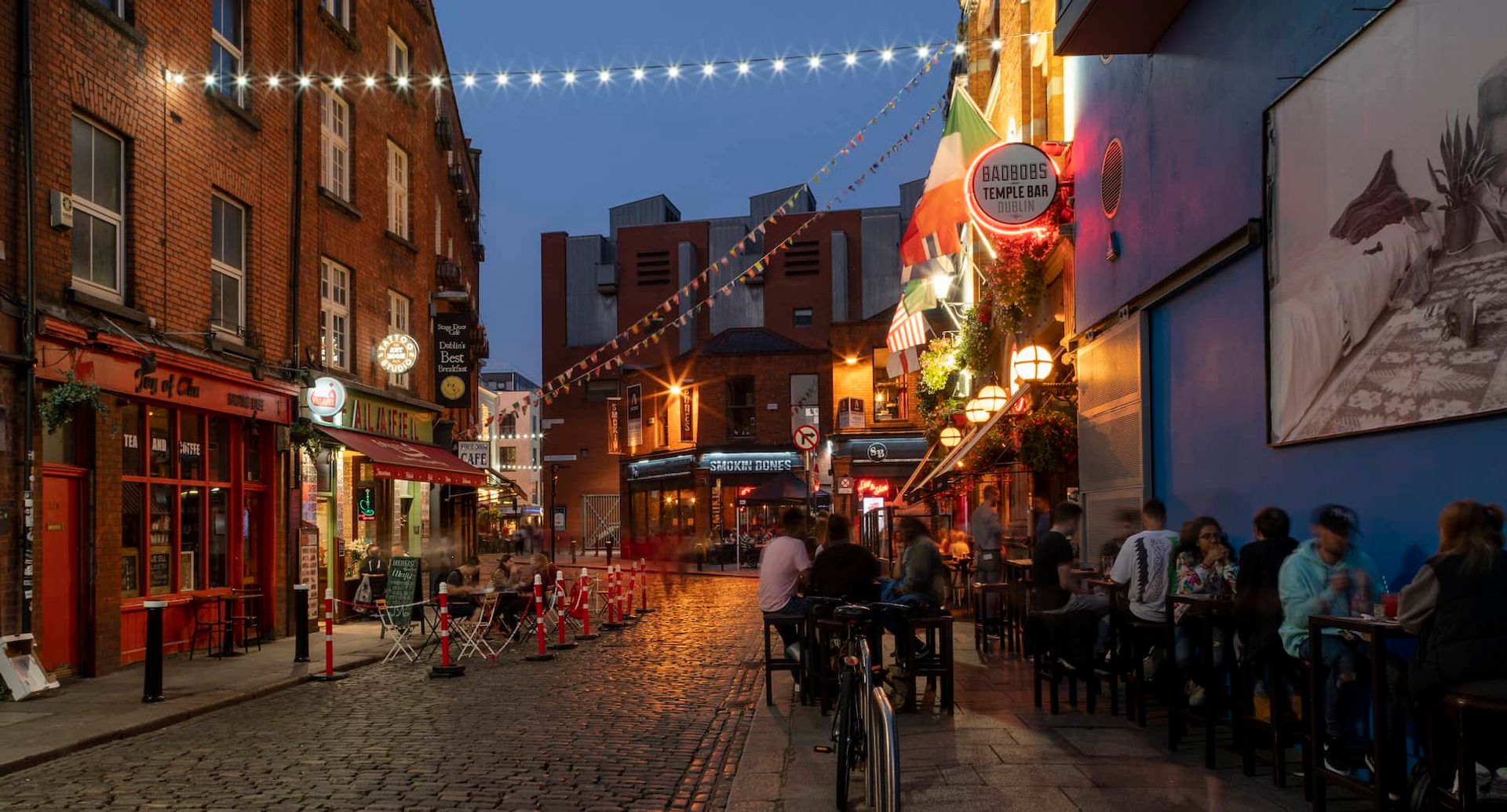
Crucially, these spaces were often politically neutral in a deeply divided society. On the dancefloor, class divisions softened, identities blurred, and cultural boundaries dissolved. For a country historically shaped by religious conservatism and political conflict, club culture created something rare: a shared space. In many ways, it turned Dublin into a nocturnal counter-world; Catholic and constrained by day, expansive and experimental by night.
Crackdowns on nightlife
That freedom did not go unchallenged. Authorities frequently framed underground nightlife as deviant or socially dangerous, and Garda (Irish police) raids on raves and clubs were common throughout the early 1990s.
Events like an illegal rave at The UFO Club, which resulted in multiple arrests, reflected the state’s attempts to contain a culture it didn’t fully understand. Yet repression only pushed the scene further underground, intensifying its appeal. By the time homosexuality was decriminalised in 1993, the groundwork had already been laid for a more open, expansive club culture.
As the 1990s progressed, larger venues and “superclubs” began to replace smaller, more informal spaces, reflecting both the commercialisation and growing legitimacy of electronic music. This set the stage for Dublin’s 2000s nightlife boom, when the city experienced rapid economic expansion during the Celtic Tiger era. Rising employment, foreign investment, and increased disposable income all fed into a thriving nightlife economy.
Going international
From the early 2000s onwards, Dublin became a hot spot for international DJs. Tiësto, Armin van Buuren, Ferry Corsten, Sasha, and Jeff Mills all made debut appearances at venues like Point Depot, Red Box, and large-scale events like Godskitchen and Gatecrasher. Dublin quickly became a significant stop on the international electronic music circuit and a major influence on house and techno globally.
Perhaps what sets Dublin apart is its personality. Dance acts always note how much fun the crowd is. They don’t take themselves too seriously, they’re always up for a laugh and they welcome visitors with open arms. The mood is upbeat and the sense of humour irresistible.
Dublin’s dance music scene today
Dublin’s dance music scene in 2026 is vibrant, resilient and community-driven. Deep house, hard techno, trance and drum & bass all have a place here, while city festivals such as Forbidden Fruit Festival and Longitude bring major global acts alongside emerging Irish talent.
Grassroots crews, queer-led parties and artist collectives play a crucial role in shaping the city’s identity, creating inclusive spaces and nurturing new DJs and producers. And despite long-standing challenges around club closures and nightlife infrastructure, Dublin remains a key electronic music hub. Venues such as Tengu, Wigwam, Index and The Sound House are frequently cited by fans as anchors of a scene that values both underground credibility and creative experimentation.
Dublin’s dance music story, then, is not just about clubs or genres. It is about how a city used sound to process change: from illegality to liberation, from underground resistance to international recognition.