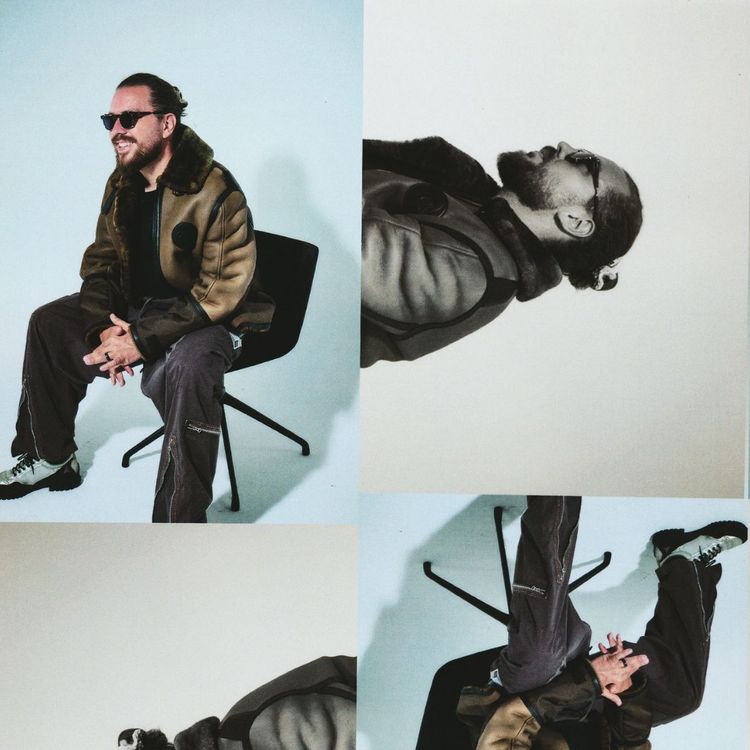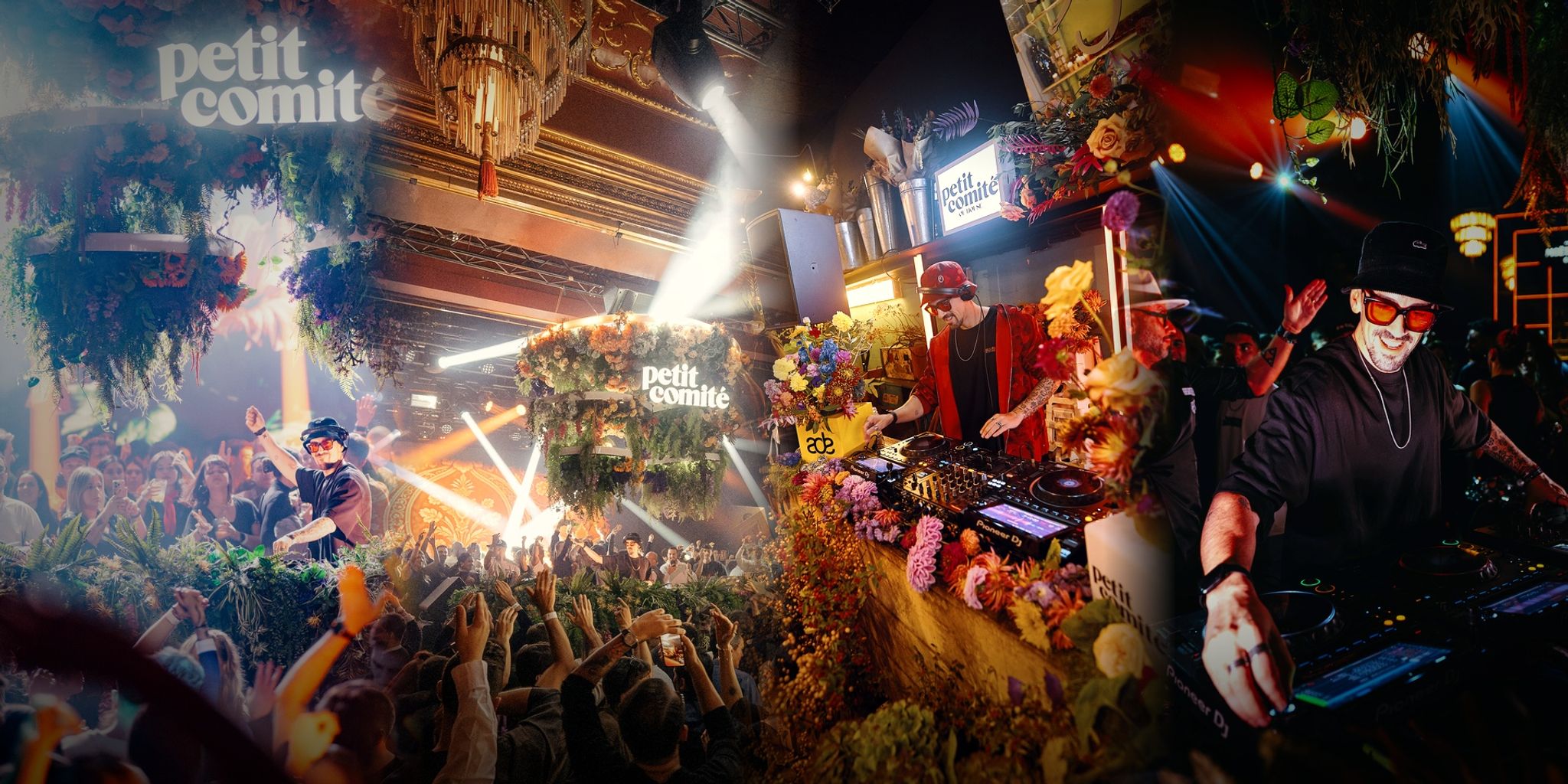
Bastian Bux and the Idea Behind Petit Comité of House

For more than a decade, Bastian Bux built his career on some of electronic music's biggest stages. From his long standing relationship with elrow to performances at Tomorrowland, Ushuaïa Ibiza, Amnesia, and clubs across more than forty countries, he established himself as a versatile DJ and producer with releases on labels including Suara, Bedrock, Cocoon, MOOD Records, and Edible.
But after years of touring, Bux found himself questioning the very experience that had defined his career. The disconnect wasn't with DJing itself, but with the direction many club nights had taken. That realization became the foundation for Petit Comité of House, a Barcelona born event series and record label built around intimacy, community, and a return to the simple qualities that first drew him to house music.
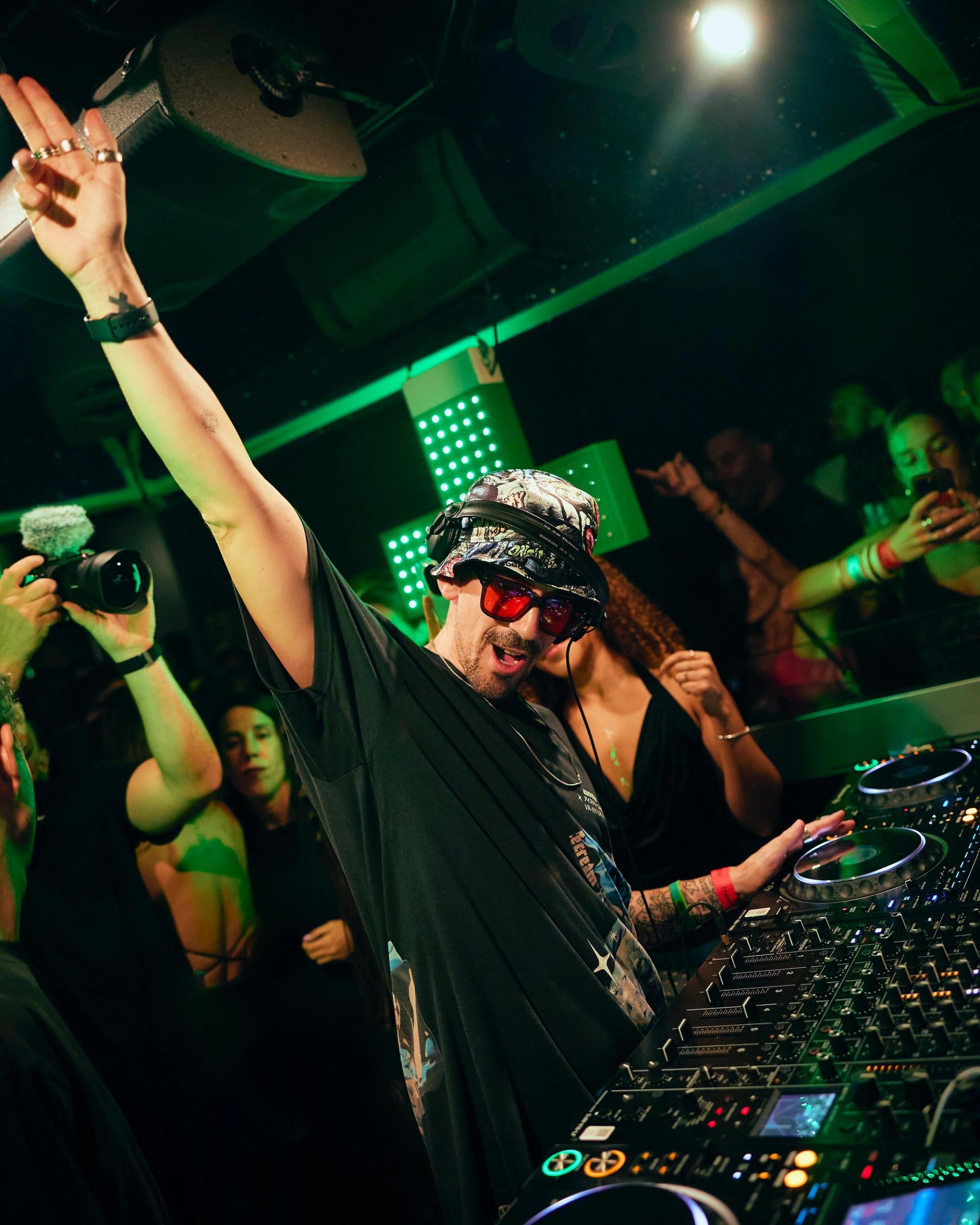
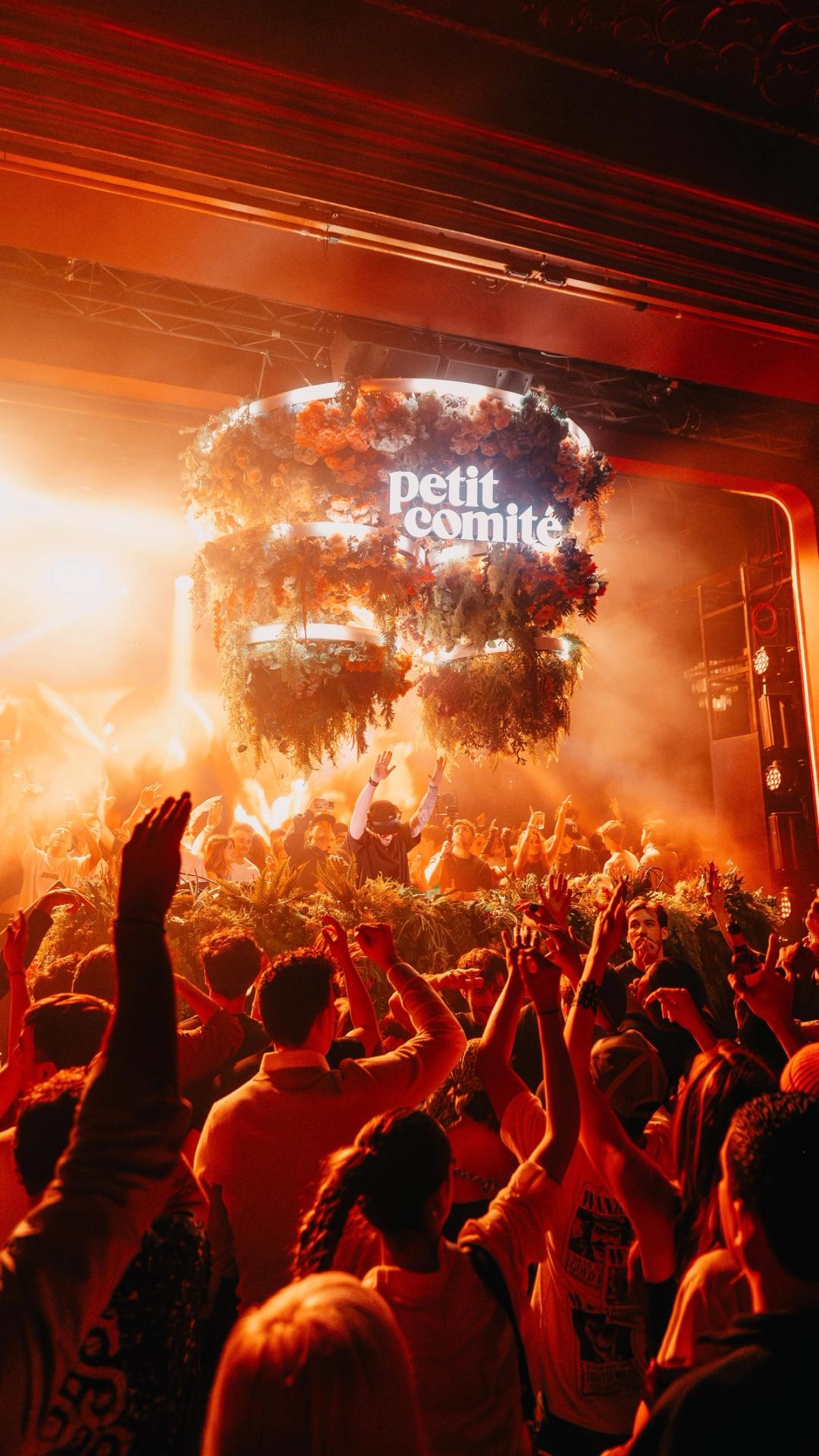
Rather than chasing bigger productions or larger crowds, Petit Comité focuses on creating environments where music, atmosphere, and human connection come first. In just over a year, the concept has expanded from Barcelona to Ibiza, Amsterdam, Miami, and Colombia, while its label has earned multiple Beatport Top 10 releases and built a growing international following.
We spoke with Bastian about the experiences that led him to create Petit Comité, how years of touring reshaped his perspective on club culture, and why he believes the future of house music might lie in making things feel smaller again.
What was the initial spark for Petit Comité of House, and what gap in today’s club culture were you trying to address?
After more than a decade playing and partying around the world, I started to feel disconnected from the rave scene. One day I had a big crisis after a show in Costa Rica when I thought, "Okay, if this wasn't me, if this wasn't my job, there's no way I'd voluntarily go to this party." That thought was a massive shock to me. I committed to changing it by creating a party I would genuinely want to attend, with the kind of music I would truly want to hear while being there.
After years of playing large scale international stages, what made you want to shift focus toward a more intimate format?
I started to feel disconnected from large scale events as a clubber. As I mentioned before, I realized I wasn't paying attention to my own perspective as a genuine clubber and raver. Once I started listening to that inner voice, I realized I was craving a more genuine, authentic, and intimate format. I'm simply trying to satisfy the house head inside me instead of getting carried away by the daily inertia of DJ life without ever questioning it.
How has growing up in Barcelona, surrounded by both techno and house, shaped your instinct for how a dancefloor should feel?
Looking back on it now, I'd say it was a blessing. Barcelona, and Spain in general, is a really tough scene for local artists. It's not like Italy, the Netherlands, or the UK, where they're used to developing local talent and helping them reach the top. In Spain, we love importing big stars, but we're not so good at growing our own.
That creates a very demanding environment to come up in. Every opportunity you get, every dancefloor you're trusted with, is a real test. You'll be judged intensely by promoters, club owners, and the crowd, and you'd better win them all over if you want another chance. If you can thrive in that environment, the rest of the world becomes much easier to navigate.
When you think about the "original spirit" of house music, what does that mean to you in practical terms today?
I’m a big advocate for bringing back simpler, happier, freer times. I feel like too much of today’s electronic music scene is driven by online opinion instead of real experiences. People end up chasing the same trends, the same DJs, and the same narratives because that's what everyone keeps repeating.
Those opinions shape people’s taste in a very artificial way. Sometimes I wonder if they even know why they’re at a party in the first place. Many have never really experienced the simple joy of losing themselves on a dancefloor. They’re just following the current.
I want to get back to something much simpler: happy music, genuine people, and the freedom to dance without overthinking everything. That’s exactly what the original spirit of house music means to me. It’s what it meant back then, and it’s what made me fall in love with it in the first place. I’m not trying to invent anything new. I’m just making sure the flame doesn’t go out.
What are the key differences in how you approach a Petit Comité set compared to a festival or peak time club set?
First of all, at Petit Comité I play much longer sets. In Barcelona, for example, I play 4+ hours every time. That gives me a lot more room to explore different moods and levels of intensity, whereas a festival or peak time club set usually gives you only 90 or 120 minutes, which is a much shorter window to do that.
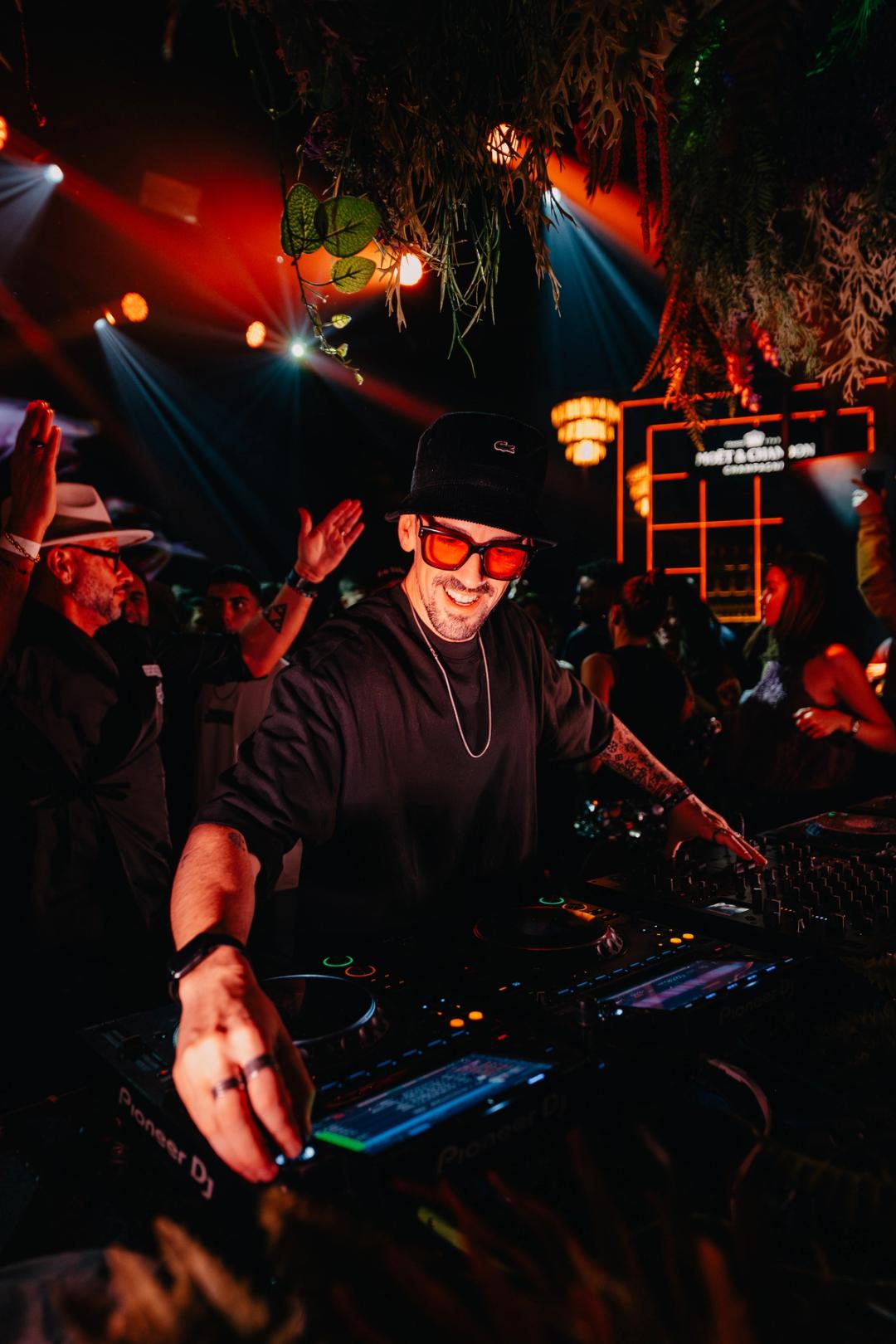
The intimate club environment also gives you the perfect canvas to paint whatever you're feeling, while a bigger space naturally pushes you toward a more intense palette of sounds. Petit Comité is about house music in all its endless colors, whereas a festival usually calls for a more specific level of intensity.
How important is pacing and storytelling in your sets now, and how does that translate into the identity of the brand?
For me, the most important thing is adapting the message to the context. I want everyone who comes to Petit to leave thinking, "Wow, I had so much fun." They danced, they laughed, they connected. The same kind of honest joy you get from sharing a beer with a friend or having a great conversation.
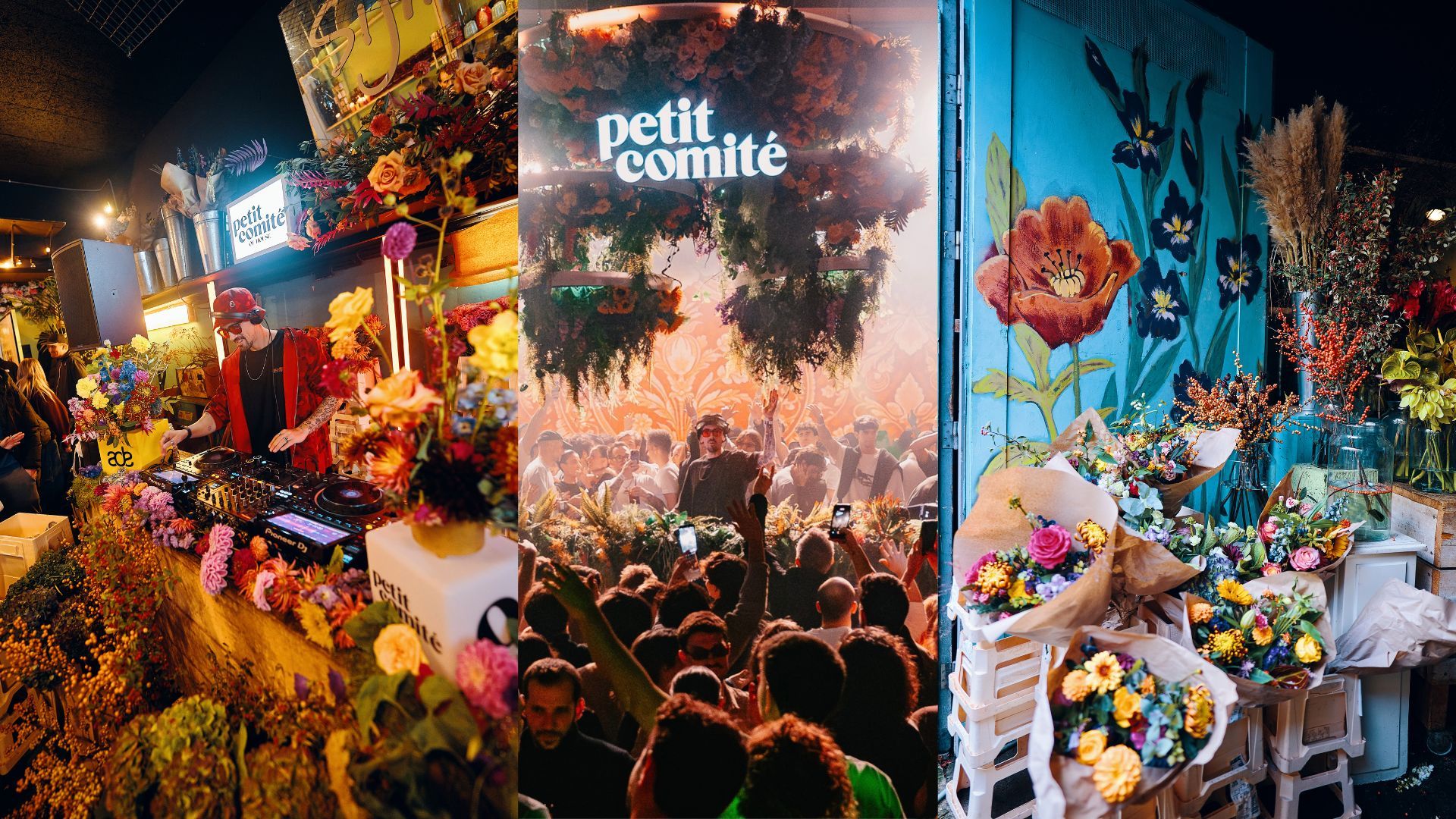
To create that feeling, the music has to fit the moment. A nightclub, a daytime pop up in a flower shop, or a beach club all require a different musical approach. The goal is always the same, only the language changes. I think that's what makes Petit’s storytelling feel so coherent, both musically and visually.
Petit Comité has already traveled across multiple cities. What have you learned about preserving its identity in different cultural contexts?
What I've learned is that no matter how different our cultures are, there's something we all share as humans: we naturally respond to the emotions created by a joyful, positive gathering. Petit Comité is built around positive, uplifting house music, and that creates an atmosphere where people feel relaxed, smile, play, and connect naturally. That kind of energy is universal.
Everyone responds to it. Our job is simply to amplify it and share it with as many people as we can.
The project has taken place in both traditional clubs and unconventional spaces like flower shops and ice cream parlors. What changes most when the environment shifts like that?
What I love about doing pop up shows in unconventional spaces is that they switch off people's expectations. Everyone has preconceived ideas about what a club or a festival should be like, but what expectations do you have when you walk into a flower shop?
Probably none. That leaves you free from your own assumptions and puts you in a more open, honest state of mind. That's the biggest difference compared to a club, and it's something I really love.
How do you think about curation when building lineups for Petit Comité compared to larger bookings or festival lineups?
My main goal with Petit is to create a coherent experience where positivity, happiness, simplicity, and joy are at the center of everything. That's why, when curating the lineup, I look for DJs who have a very specific gift: making people dance with a smile on their face. It has very little to do with technique and everything to do with emotion.
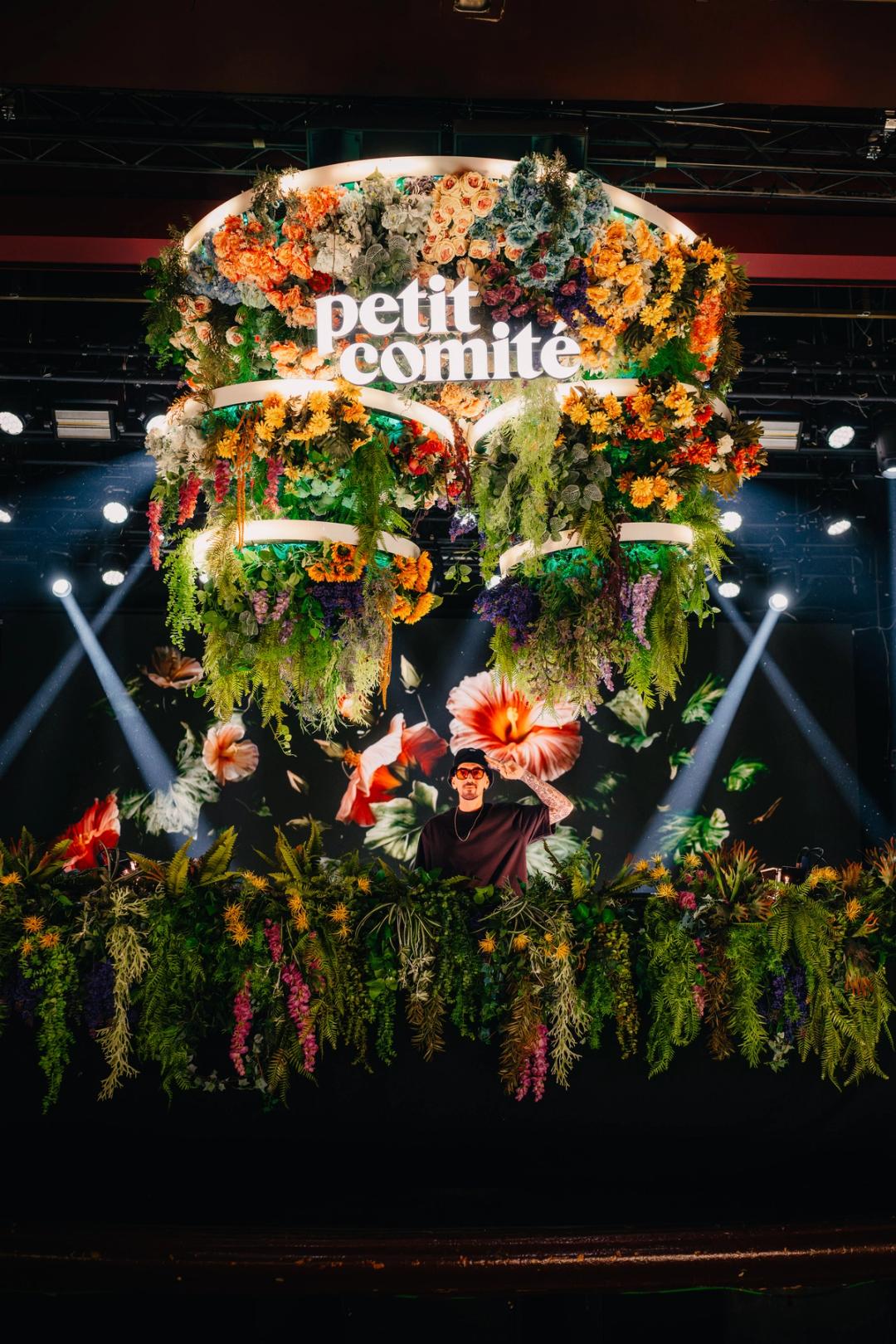
If a DJ has that, they can play at Petit regardless of their numbers. Extra points if they're also contributing to the proper house music community through their own music, a label, parties, or another project. I want people to leave a Petit event thinking, "That was so much fun, I want to know more," and when they discover our artists, to find a whole world behind them.
The label has had early success with multiple Beatport Top 10 releases. How do you balance that momentum with keeping the sound grounded in the original concept?
To be honest, I don't really think about momentum or whether the sound is grounded in anything. I built this whole universe by paying attention to my own taste and emotions. It might sound like a cliché, but I'm really just trying to please myself and create something that meets my own standards.
When I finish a track, I ask myself, "If I hadn't made this, would I play it? Would I genuinely like it? Would I wish I had made it?" If the answer is yes, I move forward. If it's no, I go back to work. Honestly, I don't think about much else.
When you're in the studio, how much does Petit Comité influence the way you write or structure music?
I only make music for Petit Comité now. Every track is written with our parties and our community in mind, but above all, I write for myself. Petit Comité is built for the clubber and house music lover I am, so it naturally shapes the way I write, arrange, and think about music at the deepest level.
I'm having more fun than ever making music, and I enjoy playing it more than ever too. I'm really grateful to Petit because it helped me rediscover why I fell in love with all of this, and that's why I'm fully devoted to it in the studio now.
Atmosphere seems to be a core part of the experience, from visuals to even scent. Why is that level of detail important to you?
Because I'm sensitive to those things. I've experienced so many events where everything looked perfect on paper, huge lineup, massive production, giant screens, but the experience itself was terrible because the vibe felt cold, the entrance was chaos, or something as simple as the place smelling bad. Those little details matter much more than people think.
What makes us enjoy ourselves isn't that complicated. You can be at the biggest festival in the world and have a terrible time, or be in an apartment with five friends, a Bluetooth speaker, and create a memory you'll never forget.
That's why I obsess over the details. If I can feel the difference, I know other people will too. At the end of the day, I'm just trying to create the kind of experience I would personally love, hoping others will feel the same. So far, I think it's working.
Looking ahead, what does growth look like for Petit Comité without losing the intimacy that defines it?
"Petit Comité" is a French expression that means "being only with the people you want to be with, and nobody else."
For me, growth is about building a community of people who share our values, and nobody else. It's never been about size, it's about quality.
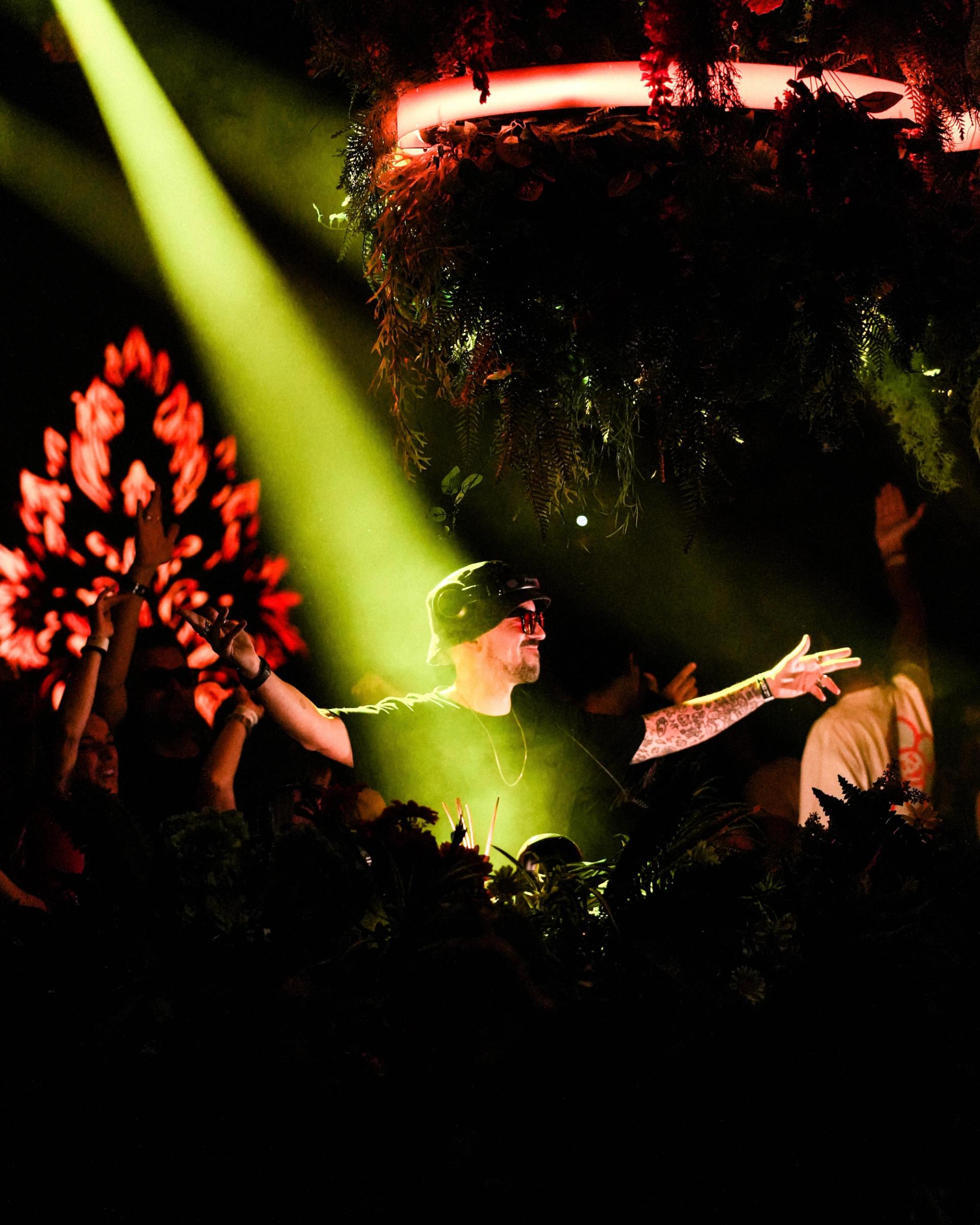
You can feel intimacy and connection surrounded by hundreds of people, just as you can feel detached in a room of five. I see a future where, little by little, we connect with people through our shared values and come together from time to time to celebrate them.
As long as we protect those values, Petit will always feel intimate, no matter how big it becomes.
That's what I want to dedicate the rest of my career to.