City Beats: Seoul
In our City Beats series, we explore underground dance music communities around the world and this week, we're heading to Seoul, South Korea.
Seoul is often associated with K-pop, glossy nightlife and Gangnam superclubs, but beneath the surface lies one of Asia's most exciting underground dance music scenes. Built around intimate venues, forward-thinking DJs and an adventurous audience, the city's electronic community has fast become an international destination over the last decade.
And at the heart of that magnetism is Itaewon.
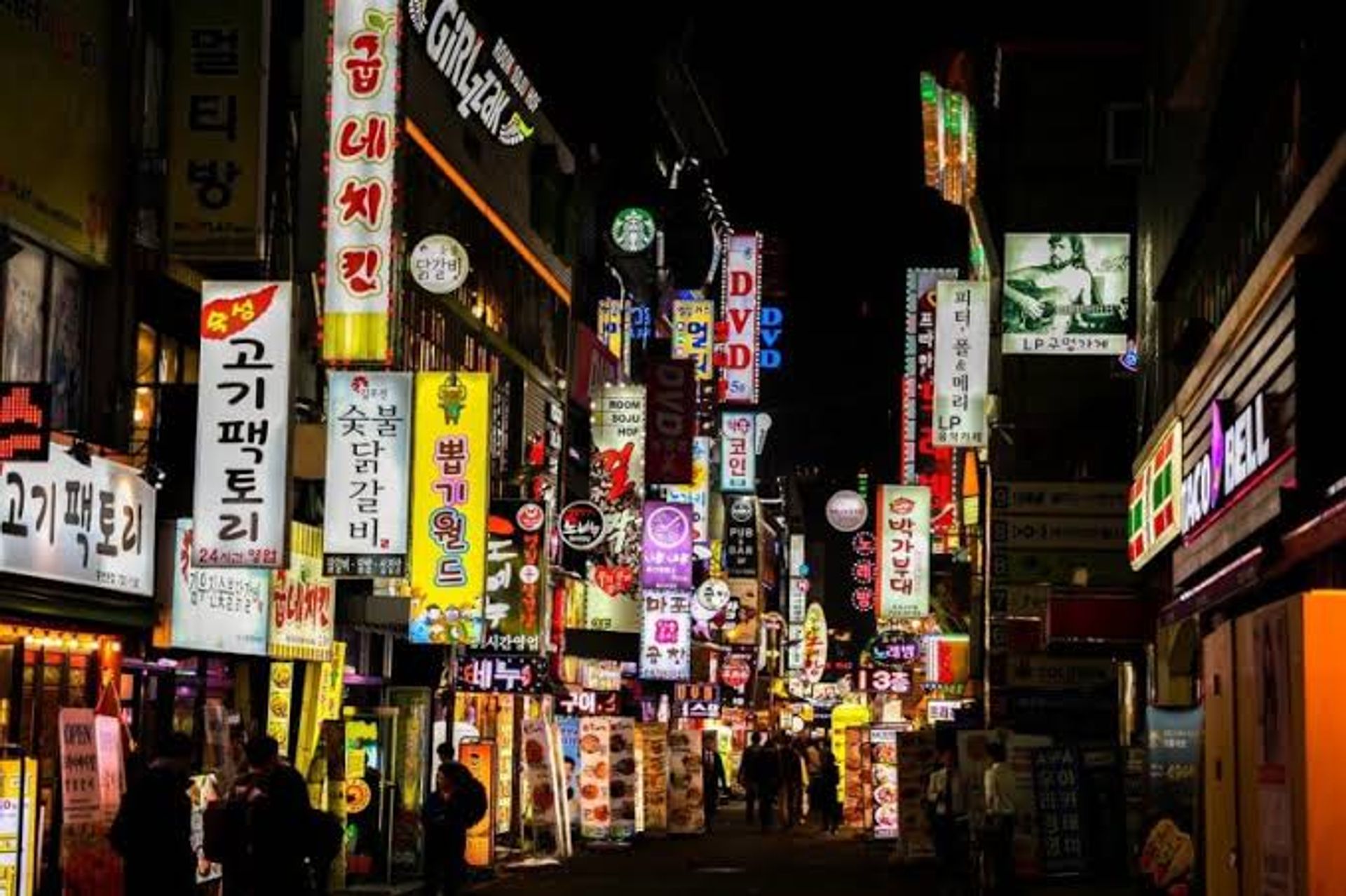
Seoul's cultural melting pot
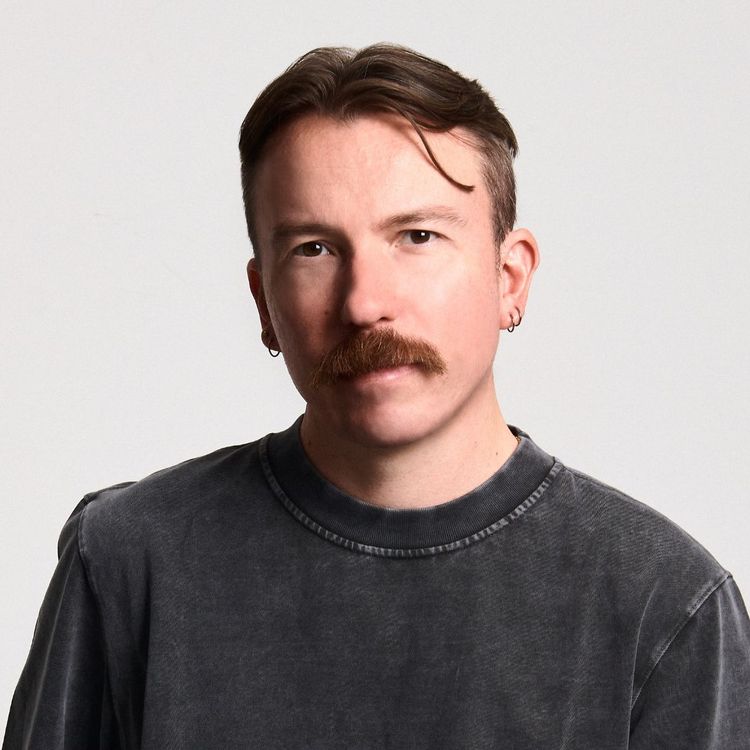
Yuzo is a DJ, producer and 1/2 of DJ duo Scissor Salad. She recently relocated from Seoul to Glasgow after spending nearly a decade immersed in Korea's underground.
"I was based in Itaewon, which is a cultural melting pot in Korea,” she says. “You can go to tons of different kinds of club in one night. There’s techno, club, house, disco. It’s in one bubble, very accessible, and all walking distance.”
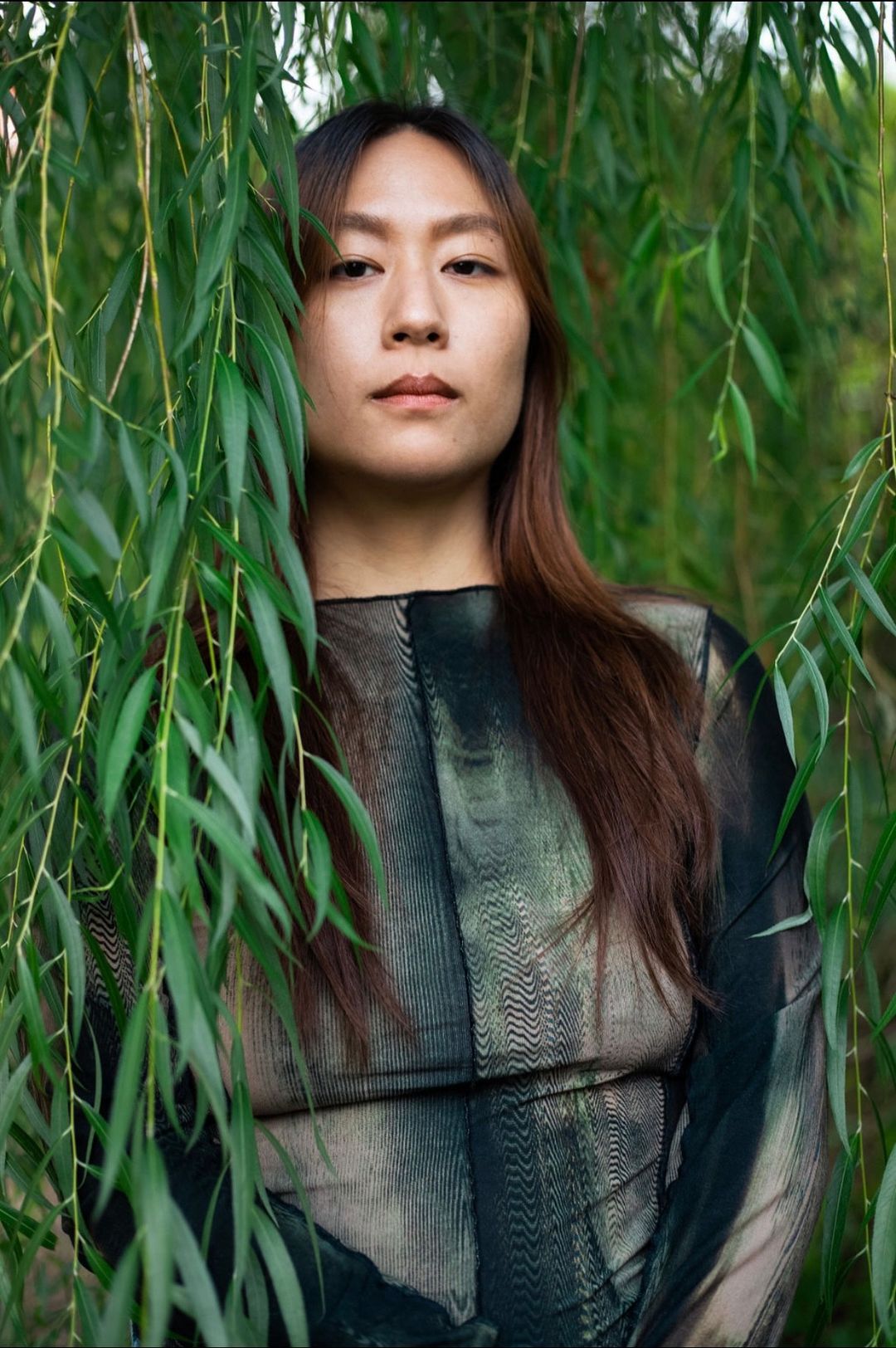
Yuzo
Historically shaped by its international population, Itaewon became the natural home for Seoul's underground dance music movement. While Gangnam developed a reputation for large-scale commercial clubs, Itaewon evolved into a neighbourhood of intimate basements, independent venues and adventurous programming.
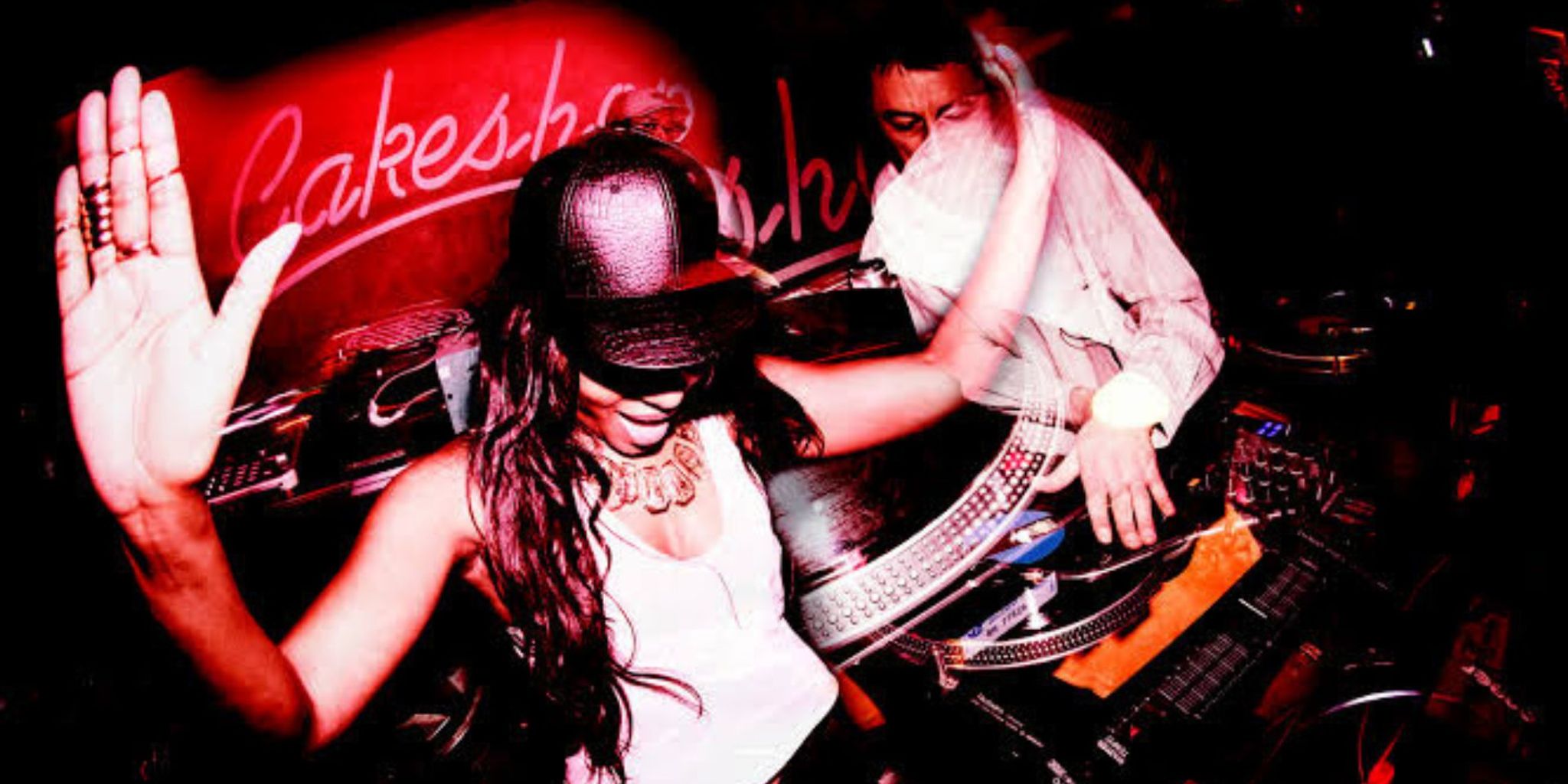
The opening of Cakeshop in 2012 was a turning point. The basement venue became synonymous with underground electronic music, regularly welcoming international artists while championing local talent across UK bass, house, techno, ballroom, footwork, jungle and countless other sounds. Its success helped establish Seoul as a legitimate stop on the global touring circuit.
Alongside venues like Faust, Volnost and Pistil, Itaewon developed an ecosystem where different genres and communities could exist side by side.
A passionate dancefloor
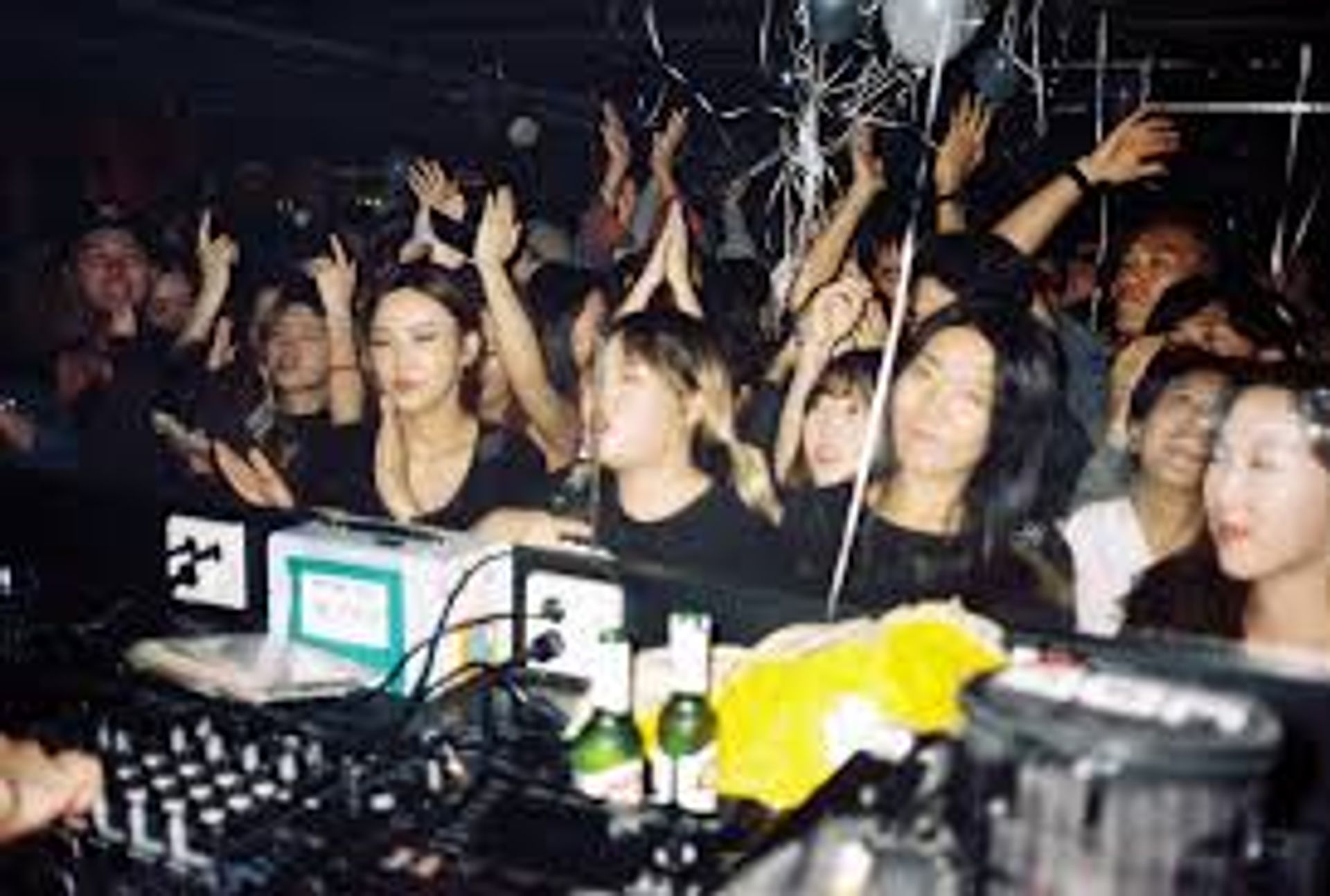
What surprises many visitors isn't just the quality of the music, but the energy of the crowd. "When Koreans get loose, they lose themselves,” Yuzo explains. “They just give everything when they’re ready to party. It's one of the most passionate crowds ever.”
And although she sees Seoul as unique, Yuzo also believes underground communities around the world often share similar culture. "When you really like underground electricity music, you're all kind of connected,” she says. “We all appreciate music and the values within it.”
Like many scenes globally, Yuzo believes a healthy, happy scene should be reflected by younger communities getting involved and sharing their passion and sounds. "We always need new, fresh crowds bringing something to night clubs or event venues and just the music scene in general,” she says.
Beyond the beat
Although Seoul has developed an international reputation for techno, the city's selectors increasingly resist genre boundaries. Yuzo herself is a multi-genre DJing, blending club music with global rhythms, Afro, Latin, amapiano, pop, hip-hop, and R&B edits. She also runs the collective Pasa Passa, dedicated to Afro and Latin sounds.
"We focus on Afro Latin music exclusively,” she says. “We try to cater to the queer community, so we play a lot of ballroom house... anything to make queer people dance.”
That openness reflects a broader shift within underground dance music. "I don't need to be serious all the time, I like playing chart music so it works in an underground setup.”
Rather than treating commercial and underground music as opposing worlds, Yuzo sees them as connected. "I think any music should be appreciated,” she says.
Learning to read the room
Like any mature underground scene, Seoul's dancefloors have taught DJs the importance of adaptability. Early in her career, Yuzo approached sets with a rigid mindset.
"I focused too much on what I wanted to play,” she says, but experience changed that and she became much more fluid. "A lot of DJs have to change their sets and adapt to what the crowd wants and the vibe of the general venue."
Now, success is measured less by technical perfection than by reading the room. "I always try to put the balance between what they like and what I like.”
And one of her favourite indicators isn't even the dance floor. "If you make people in the corner or at the bar do little dances, that means the set is really good,” she says.
Community first
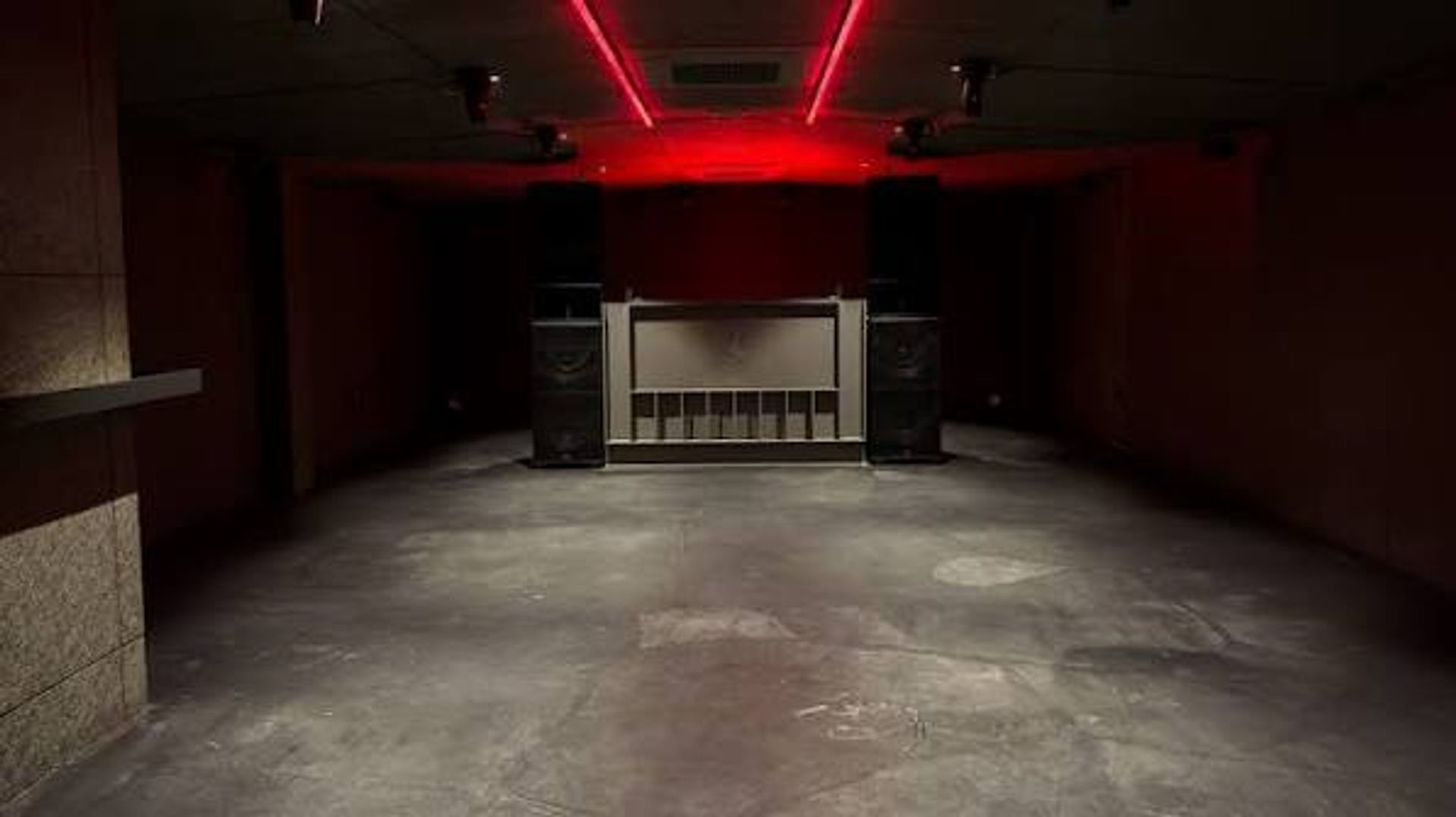
Volnost
Perhaps Seoul's greatest strength is its collaborative spirit. After relocating to Scotland, Yuzo was struck by how familiar Glasgow's sense of community felt. "We're all friends and colleagues, and then we need each other,” she says. "I just want to be connected with people with true, authentic energy.”
It's an ethos that reflects Seoul's underground too; a relatively small ecosystem built on cooperation rather than competition. This is best reflected in Seoul Community Radio, a station Yuzo was heavily involved with and gives grassroots artists and collectives their first residencies and shows.
Seoul's dance music scene today
Today, Seoul's underground continues to grow through independent collectives, internationally respected clubs and adventurous local artists. While Itaewon remains its beating heart, the city's reputation now extends far beyond South Korea, attracting touring DJs and curious clubbers from around the world.
Big names include Peggy Gou and DJ Soda. Underground heroes include BRLLNT, DJ co.kr, Closet Yi, Yetsuby and Unjin.
Venues such as Cakeshop and Faust have become institutions, while local crews continue to push bass music, techno, ballroom, Afro diasporic sounds and genre-defying club music into new territory.
In Seoul, fluidity and connection has become the foundation of one of Asia's most welcoming and forward-thinking dance music communities in the world.
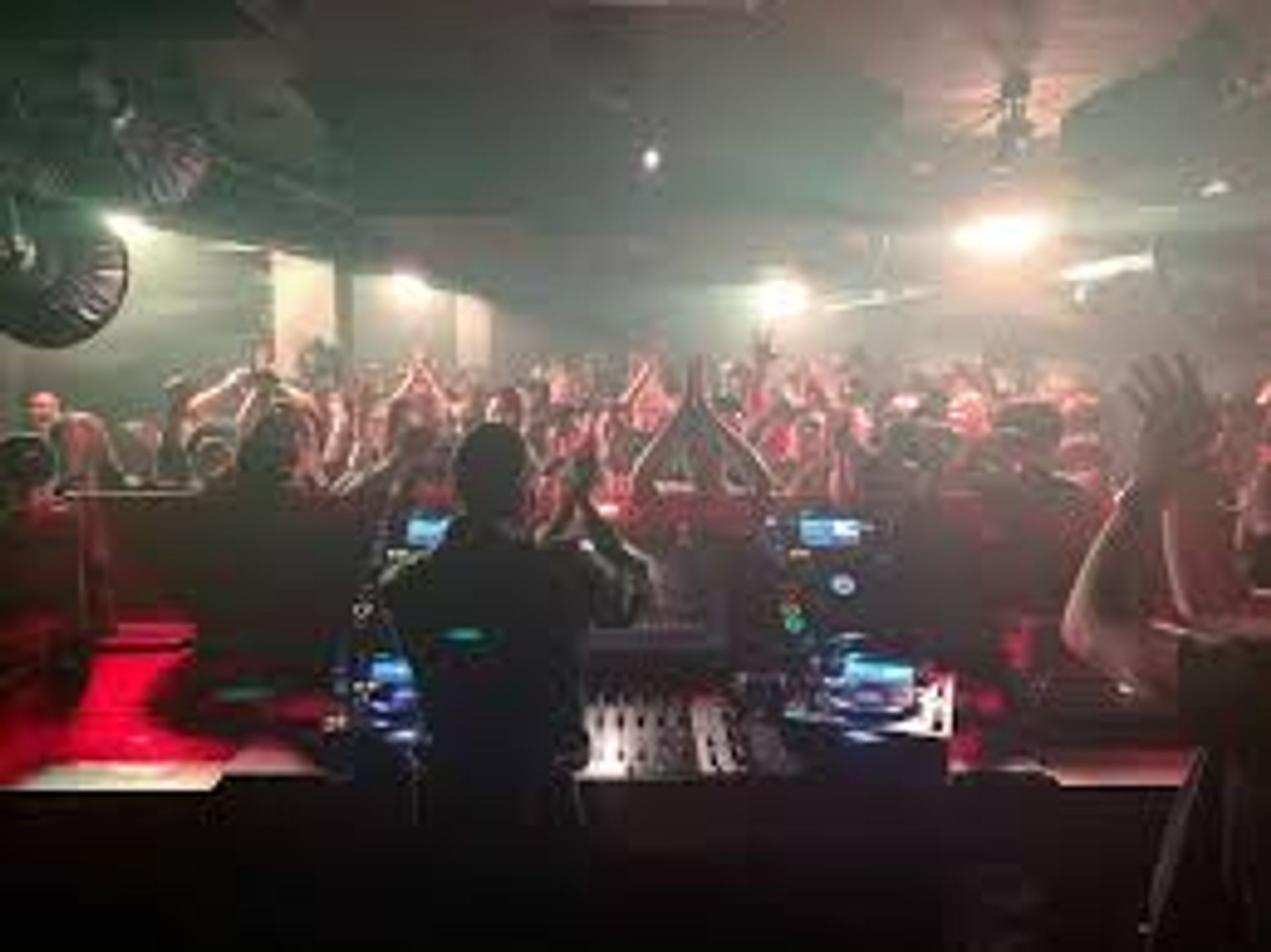
Faust
For all her latest shows and events, follow Yuzo on Instagram.