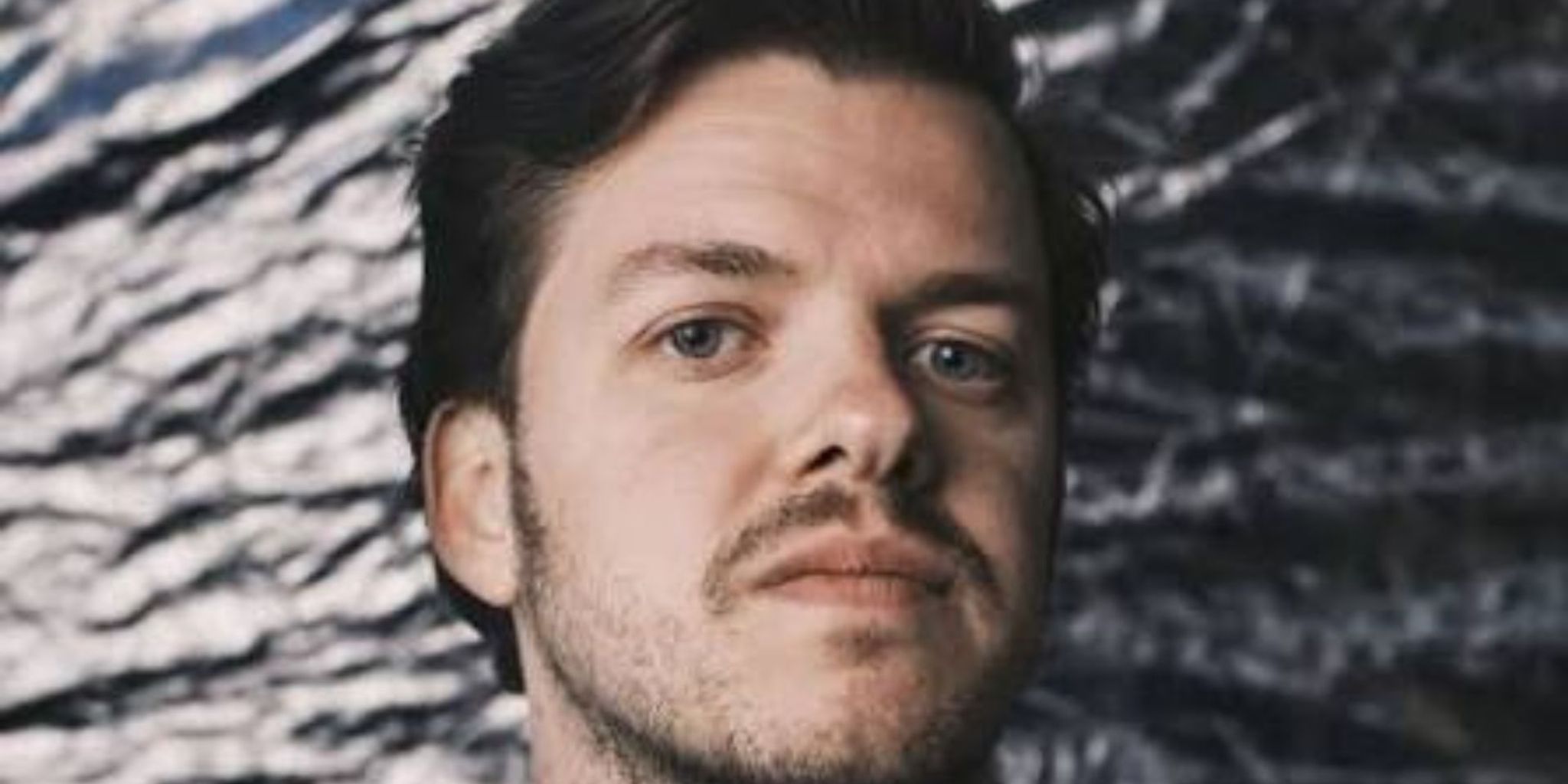
Producer Spotlight: Kaap
Emerging from the depths of Amsterdam’s underground, Dutch producer Kaap has built a sound that feels nostalgic without ever sounding stuck in the past.
Who is Kaap?
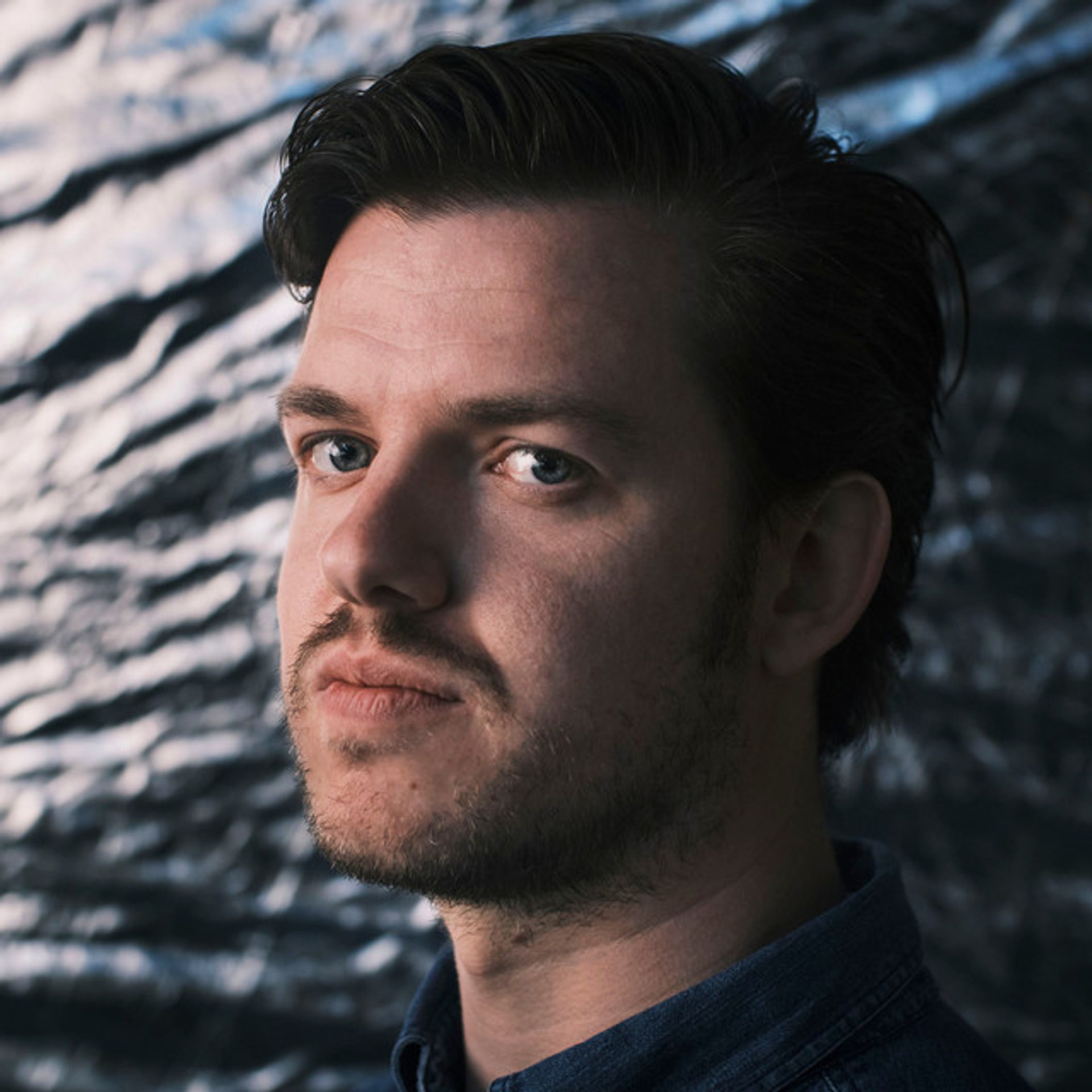
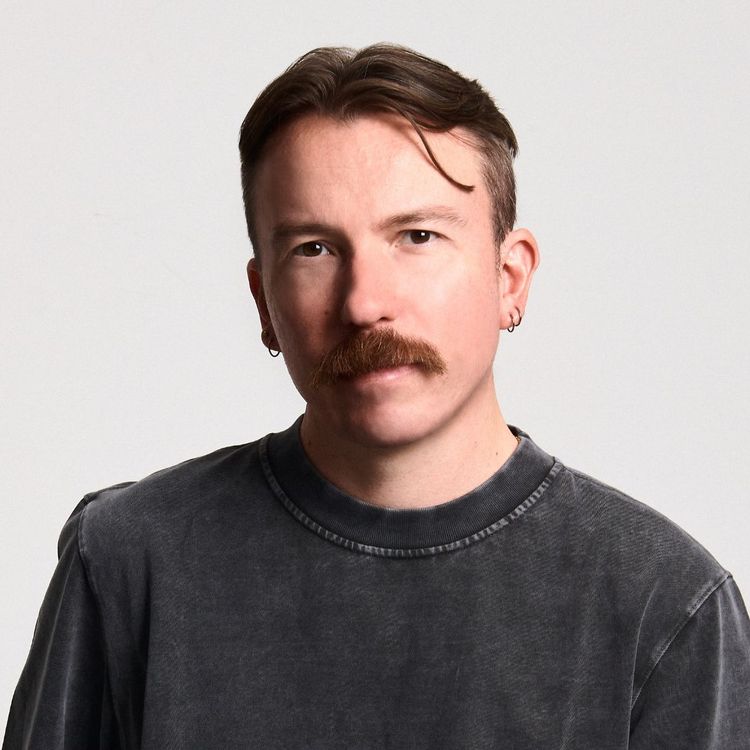
For Dutch producer Robbert van der Bildt, aka Kaap, electronic music is just as much about machines, texture and patience as it is about the dance floor.
His sound is deeply rooted in the traditions of ’90s Detroit techno and Chicago house, drawing on the raw, hardware-driven character of early electronic music while bringing those influences into a contemporary context. The result is music that feels deeply functional in the club, while still rewarding close-eyed home listening.
Kaap stands out as someone who’s never chased the latest production trends. Instead, he’s developed a style built around warm analogue textures, dubby atmospheres, acid synths, hypnotic grooves and carefully constructed polyrhythms.
His discography glides between house, techno, dub techno, bass and more left-field territory, which reflects an artist more interested in following a sound than fitting within the confines of a genre or scene.
Roots in machinery
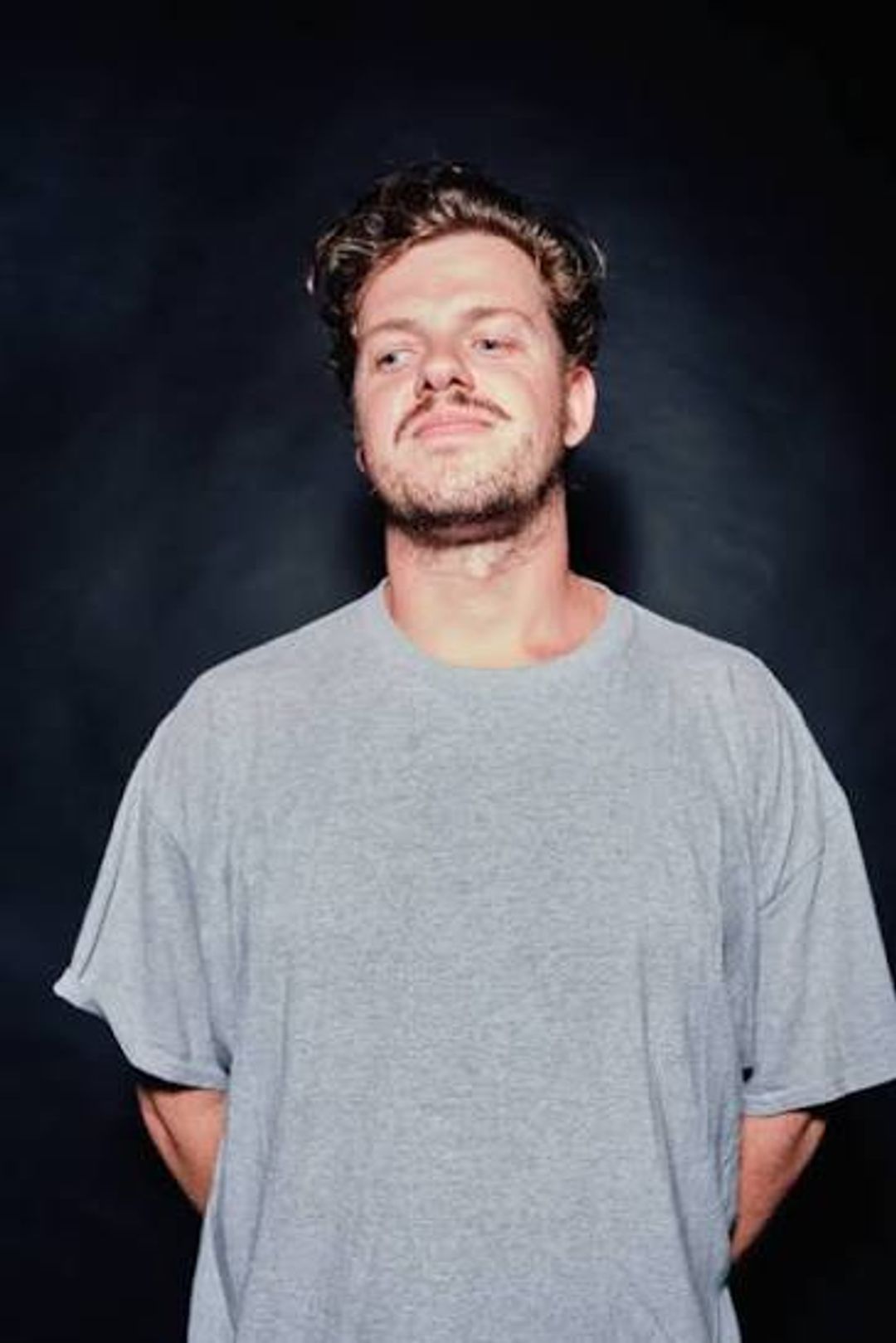
Kaap’s fascination with traditional production methods is central to his identity as an artist. His music carries the fingerprints of the machines used to create it: gritty percussion, saturated bass, bleeps, delays and synth lines. There’s a physicality to Kaap’s sound, a certain lack of polish that gives an industrial edge and a welcome relief in a music market saturated with AI.
That approach was apparent ever since his first solo release, Bodycode, which came out in 2015 as a cassette release through Yield. Since then, he’s built a catalogue across independent labels including Intercept, ÆX, Help Recordings and De Lichting.
The slow evolution of that discography is also significant. Kaap's success hasn’t entered around a breakthrough record; instead, each release adds another piece to a recognisable sonic world.
His work reflects the wider culture of Amsterdam's underground electronic scene, where DJs and producers often switch between house, techno, bass and experimental music. With a hyper-educated crowd, they don’t need to worry too much about whether the crowd will like it. What matters more is the consistent thread that runs throughout.
De Lichting
A crucial aspect of Kaap’s career has been his involvement with De Lichting, the Amsterdam collective and label he helps drive. The label’s a home for music that sits somewhere between techno, bass, dub, house and more experimental electronic forms with a roster and releases that reflect a shared interest in hardware, unusual rhythms and detailed sound design.
Kaap’s own Omen EP, released through De Lichting in 2021, is an air-tight example of that approach. The three-track release opens with “Razor”, built around rubbery acid lines, crisp percussion and a bouncing low end. The title track moves deeper, using bleeping rhythms and murky atmospheres, while “Dead On Arrival” stretches beyond ten minutes into an expansive piece of dub techno. Resident Advisor described the EP as “state-of-the-art bass science”, highlighting the way Kaap combines sub-bass, dub techniques and hypnotic melodies. It is music that rewards patience.
A homage to house
While techno and dub are important parts of Kaap’s artistry, his relationship with house music is equally strong, showcased through his Sereen EP on Amsterdam label Heist Recordings in 2024. The record includes four original tracks and a remix from K-Lone, combining vintage house influences with Kaap's contemporary production style.
The EP demonstrates that Kaap isn't simply recreating the sounds of Chicago or Detroit; he’s taking the principles behind those records — groove, repetition, warmth, space and machine-driven performance — and putting his own unique spin on them.
Looking back to move forward
Kaap’s music is often described as timeless. His influences may stretch back decades, but his records aren’t exercises in nostalgia. Alongside his releases, Kaap’s worked with artists outside the strictly club-focused world, including a contribution on the Vermont project alongside Danilo Plessow and Christian Prommer collaborator Christian Worgull, where he played guitar on tracks from the duo'sIIalbum.
That versatility is what makes Kaap such a special artist. He can make a ten-minute dub-techno journey feel completely natural, then switch gears and deliver a deep-house track that could sit comfortably in a late-night set. The common thread is the attention to detail: the relationship between bass and percussion, the space around a synth line, the imperfections that make the hardware feel alive.
For all his latest music, events and updates, follow Kaap on Resident Advisor.