Collective spotlight: Waking Life
In this series, we spotlight thecollectives paving their own way while driving underground culture forward.
Nestled deep within the Portuguese countryside, Waking Life has grown into something way beyond a festival. It’s a community where music, art, ecology, philosophy and play come together, radically reimagining festival culture.
Plenty of electronic music festivals promise an escape from everyday life, but Waking Life is one of the few that focus on building a sustainable alternative to it.
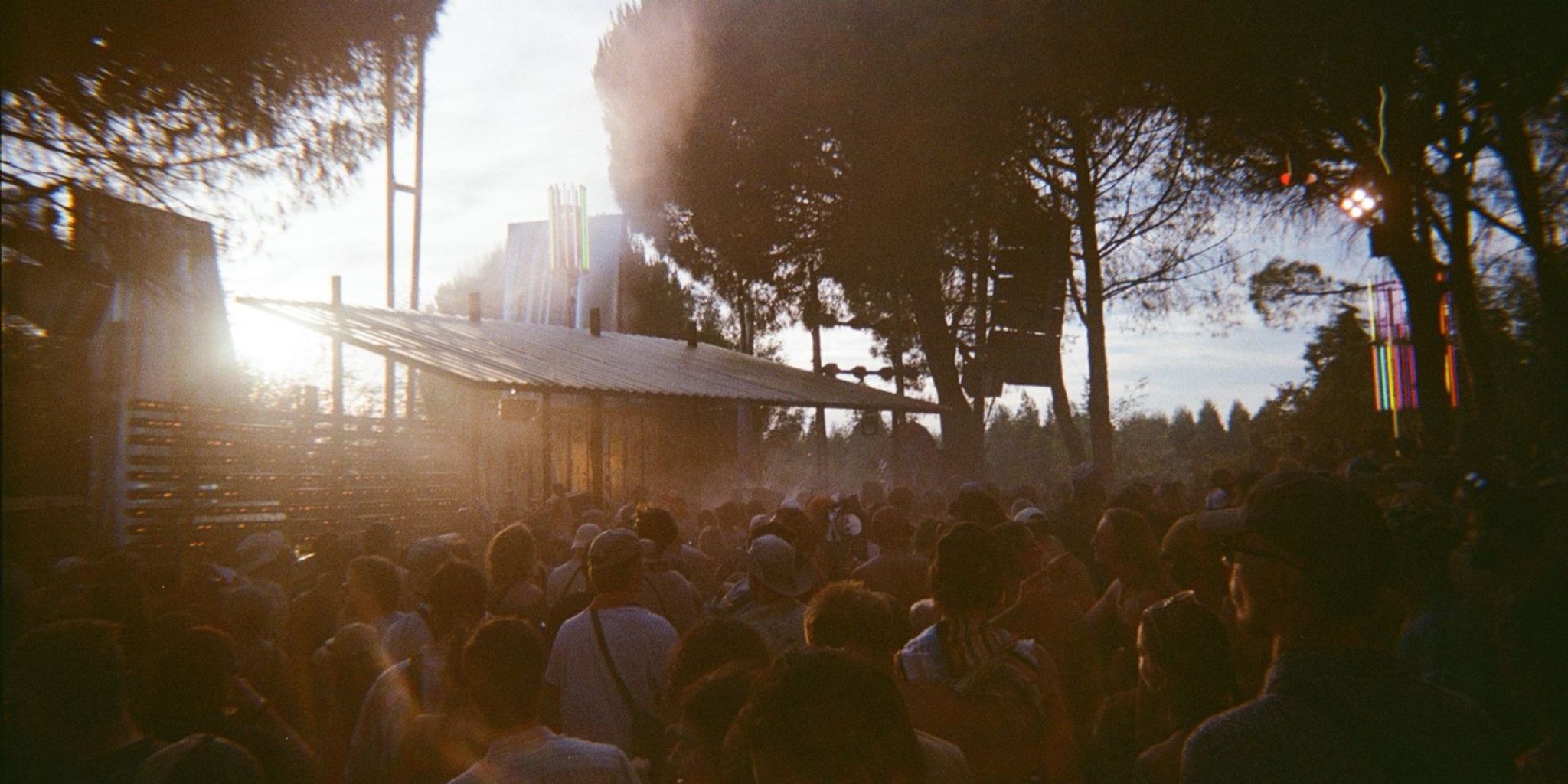
Located near a lake in Crato, Alentejo, music is one part of a much larger experiment. Over one week in midsummer, dance floors sit alongside workshops, installations, performances, communal spaces and projects that focus on ecology, politics, consciousness and creativity.
The result’s difficult to categorise. Waking Life describes itself as a festival, landcare project and year-round space for creation, experimentation and play; an intentionally evolving community rather than a fixed event.
More Than a Festival
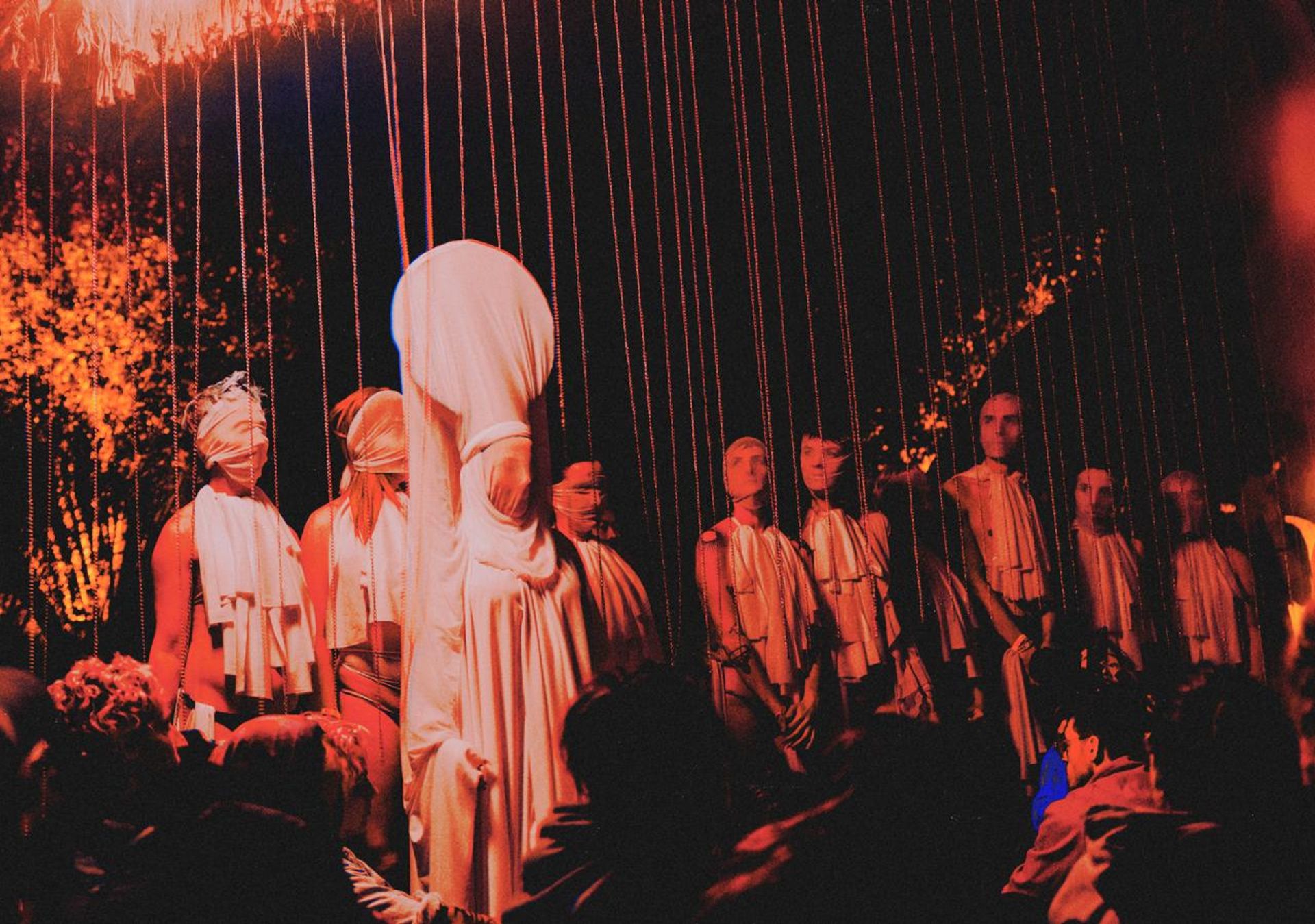
Waking Life experiments with different ways of being together. The organisers describe the gathering as a “temporary autonomous zone”, rooted in the annual convergence around the solstice. The idea is to create a temporary community before dispersing again to feed back into the rural ecosystem around it.
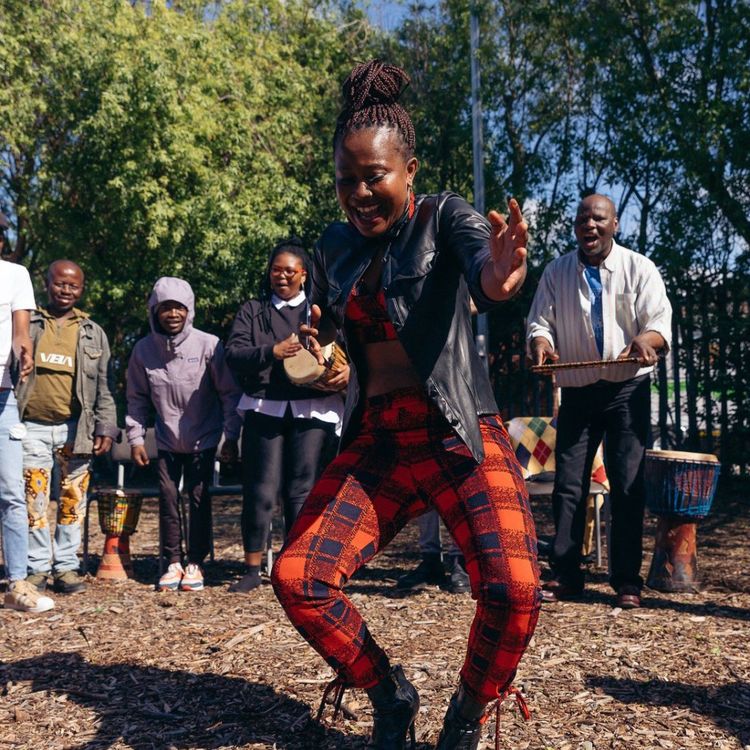
Music is central, but isn't the only reason to be there. The programme can move from an extended club set to a discussion, performance, ritual, workshop or collaborative art project. There’s an emphasis on participation rather than straight-up consumption: attendees are encouraged to contribute to the environment, not treat it as a backdrop.
Their Creative Camps, for example, invite festival-goers to transform their own camping spaces into miniature worlds, turning the campsite itself into part of the creative programme.
The Dance Floor as a Meeting Point
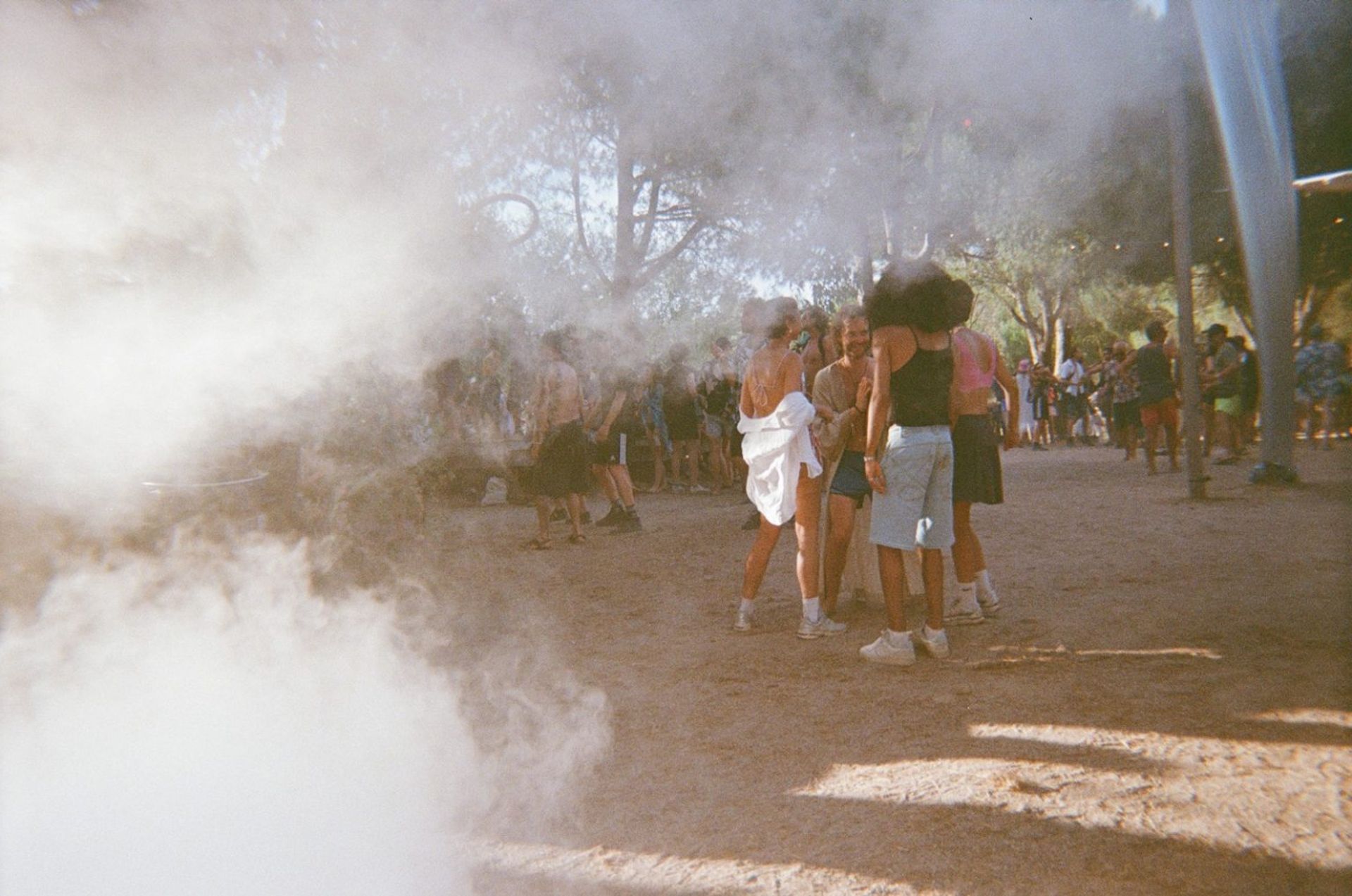
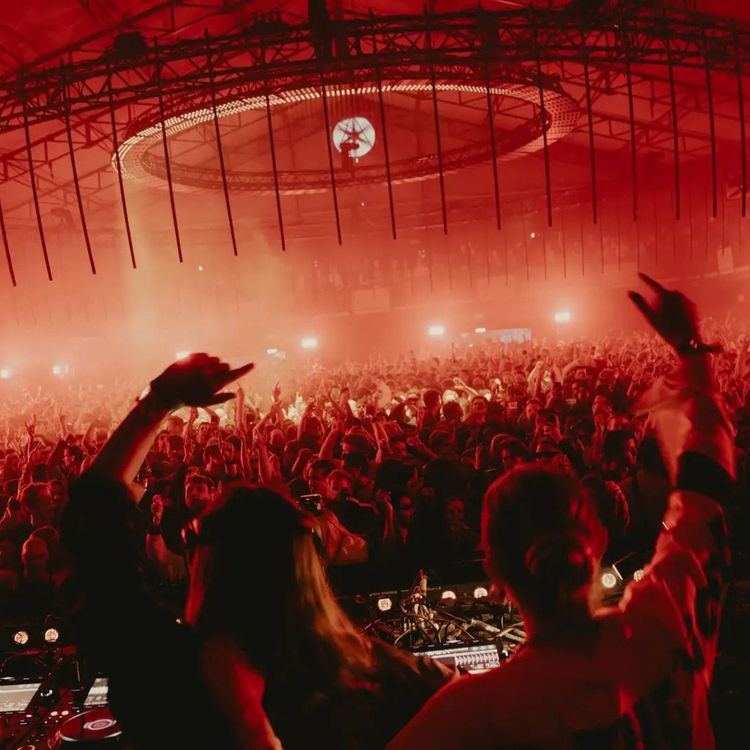
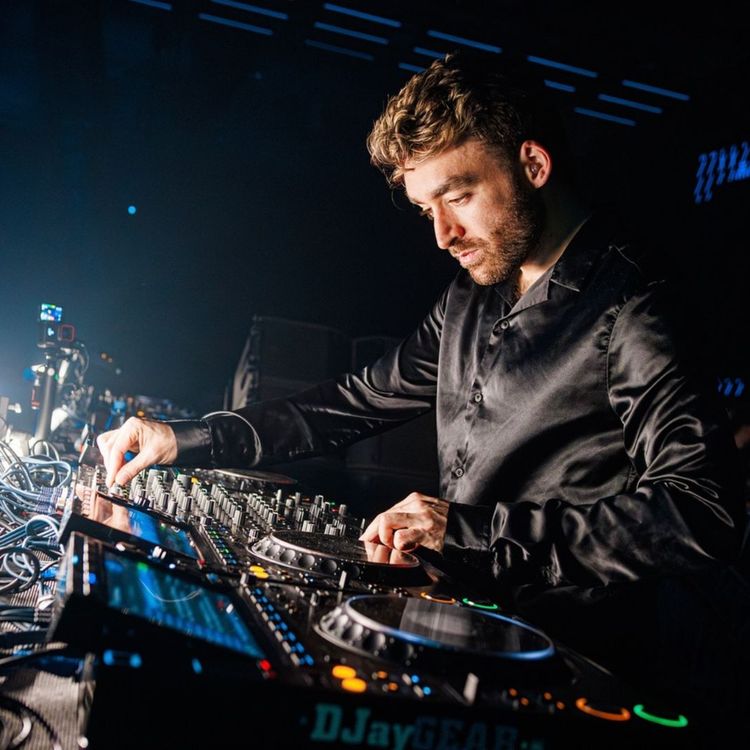
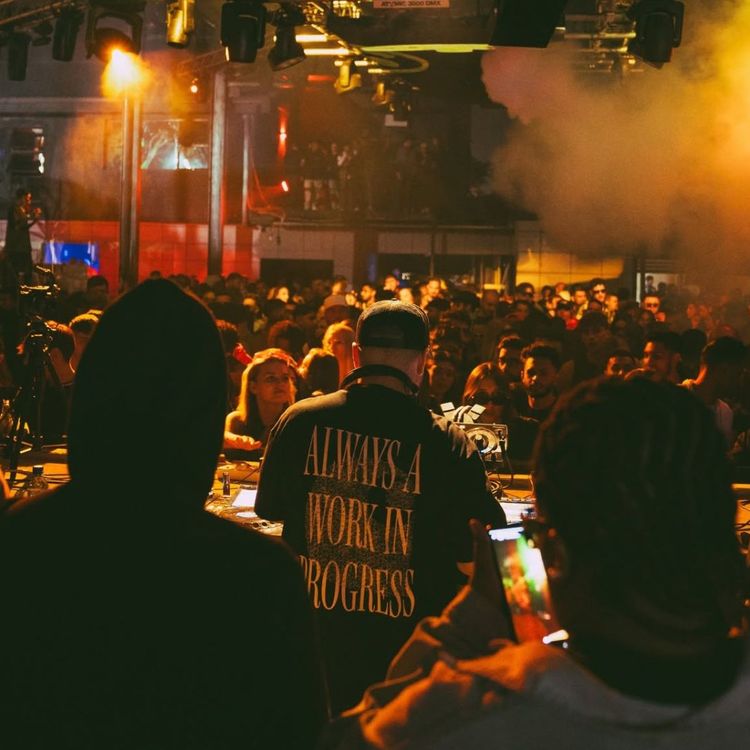
Waking Life is still a serious destination for electronic music, with programming that draws from the more exploratory end of club culture. DJs and live acts move between house, techno, electro, ambient, experimental music and more, with programming that tends to reflect the same philosophy as the rest of the festival: curiosity over predictability.
The dance floor becomes a place for discovery, an idea that runs through Waking Life's thinking about raving. The organisers have written about dance culture as something capable of producing altered states, collective experiences and new forms of connection — treating the rave as a space where people can temporarily step outside the usual rules of everyday life.
The rave has always contained a little bit of utopian thinking: strangers becoming temporary communities, hierarchy disappearing in the darkness, music providing a shared language. Waking Life simply takes that idea and runs with it.
Building a Culture of Care
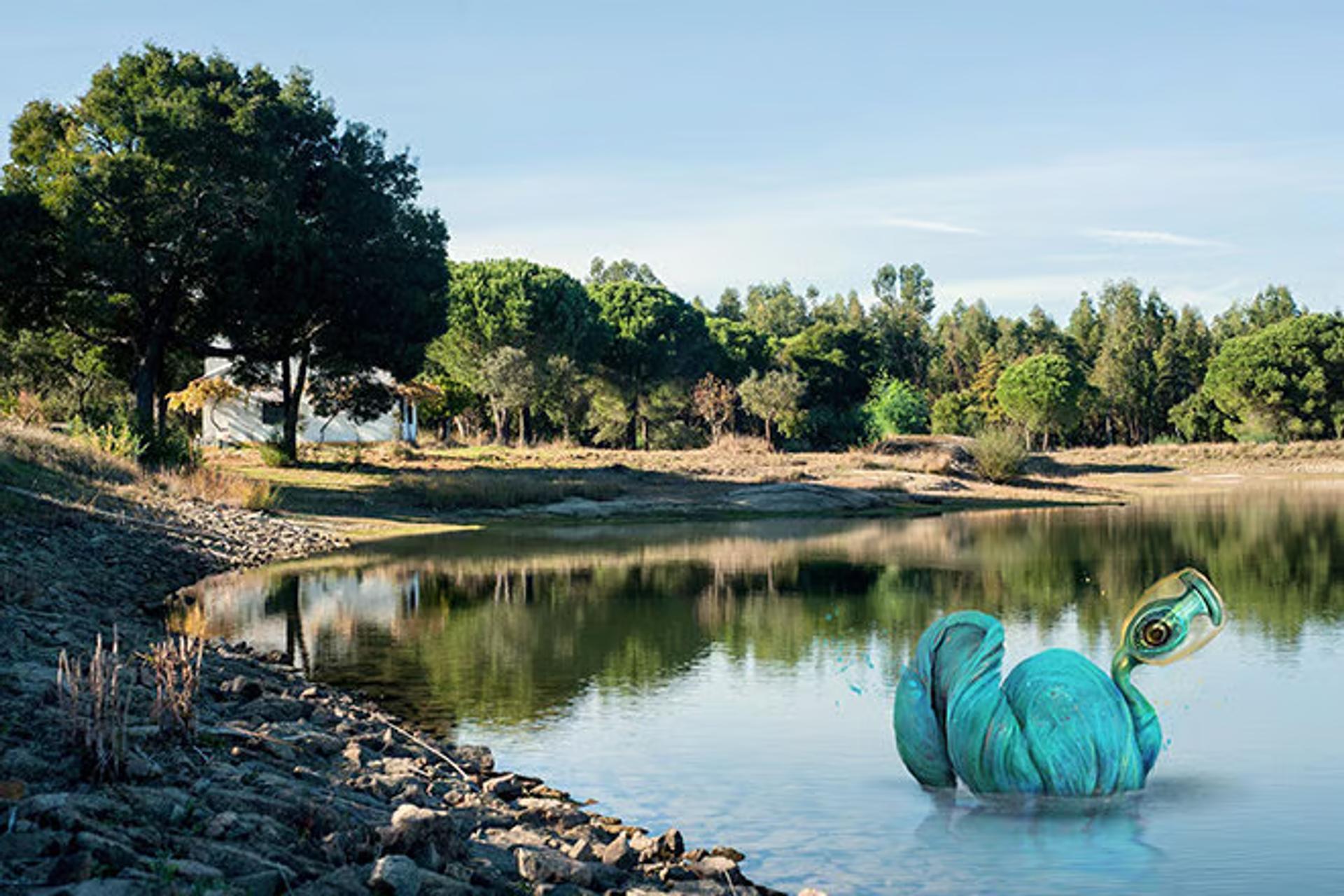
Obviously, a festival can’t magically become a perfect utopia. Waking Life are also interested in the tensions involved in trying to build community. Its Caretakers programme is a good example. The team actively encourages participants to look after one another, offering support around wellbeing, harassment, consent and difficult experiences while creating a culture where asking for help is normalised and encouraged.
There’s also Avózinha, Waking Life's psycare space, designed as somewhere people can go for grounding and support if they find themselves struggling during an altered state.
These initiatives reflect a wider idea of “responsible hedonism”: the belief that pleasure and experimentation don't have to exist in opposition to care. If you're going to create an environment where people are encouraged to push their boundaries, the collective responsibility to look after one another becomes even more important.
Art, Politics and the Space Between
Waking Life's programme regularly pushes the boundaries of music festivals. Its Apuro programme, for example, creates space for conversations, workshops and encounters around social and political questions, deliberately moving beyond the dance floor. The organisers describe it as a way of bringing people together to interact, listen, speak and witness rather than simply consume another festival experience.
That’s one of the reasons Waking Life feels closer to a temporary village than a conventional festival. One moment you might be dancing until sunrise; the next you're sitting in a discussion about ecology, identity, technology or social justice. The boundaries between performer and audience, entertainment and education, day and night blend into one.
Even the pandemic became an opportunity to rethink that model. When the physical festival couldn't take place in 2020, Waking Life created The Space Between, a project that deliberately deconstructed the festival format and explored what remained when the gathering itself disappeared.
Rather than simply waiting for normality to return, the collective treated the disruption as an invitation to experiment. Their to question the formats we’re so familiar with is one of the defining characteristic of Waking Life.
Living With the Land
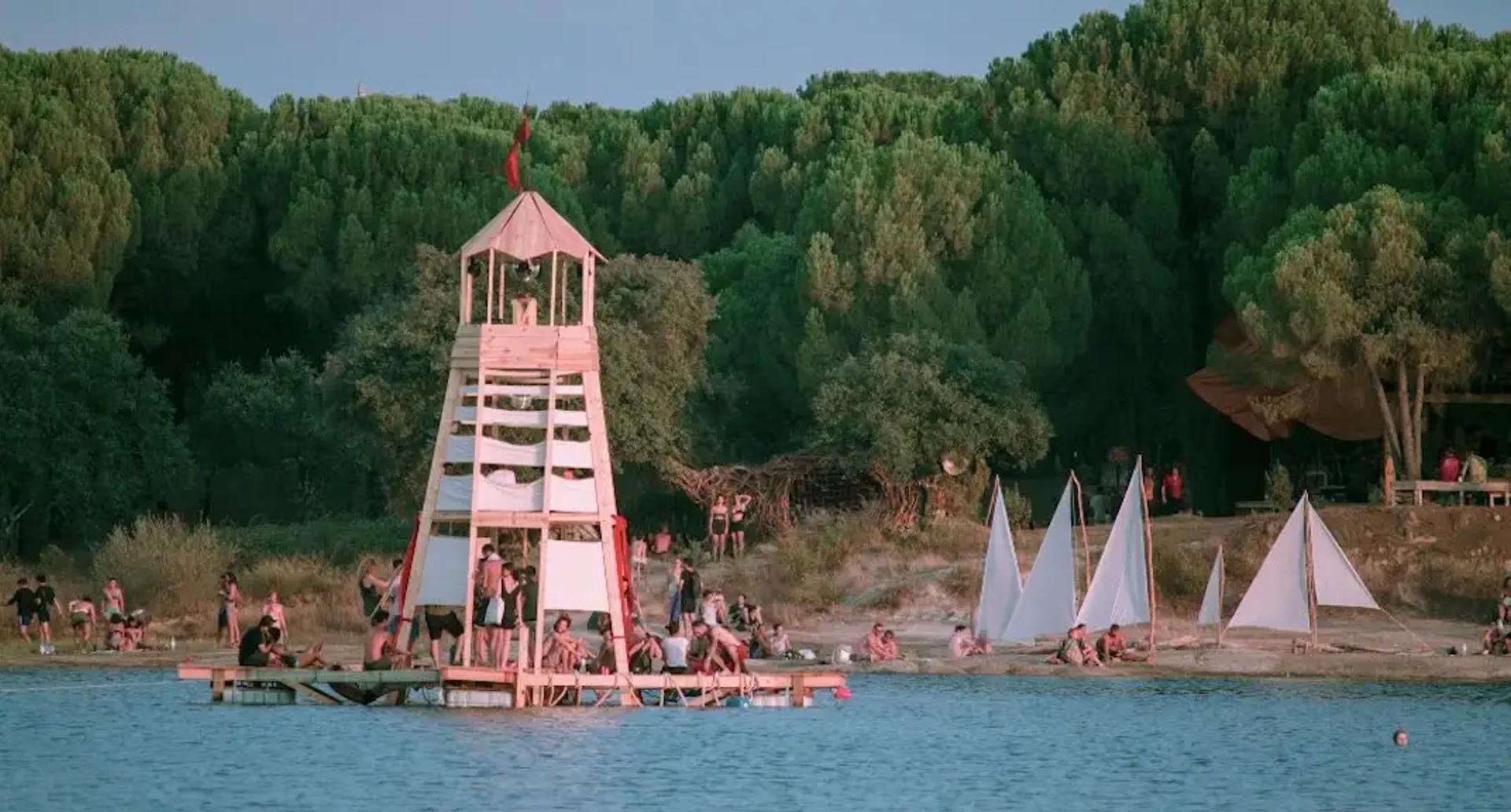
Then there’s the physical setting. Waking Life takes place in the Alentejo countryside. The organisers increasingly frame the project as a relationship with the land rather than on it. Their description of the festival explicitly connects the annual gathering with an evolving rural micro-ecosystem in Crato. The landscape is part of the project's ongoing experiment.
This is also where the idea of Waking Life as a landcare project becomes significant. The festival may last a week, but the relationship with the site continues well after the last person’s left the site.
A Different Kind of Festival
The danger with a project like Waking Life is that the language can become bigger than the reality. Words like community, utopia, care, consciousness and alternative futures are easy to put on a website but it’s much harder to build structures that support those ideas.
But Waking Life keep experimenting, never claiming to have found the perfect formula. The organisers themselves state that their goal was never to find a recipe and repeat it, but to reinvent the festival with every edition.
Perhaps that's why the project feels less like a finished product and more like an ongoing conversation, asking questions like:
What happens when a rave becomes a village?
What happens when the audience becomes a participant?
What happens when a festival tries to care for the land that hosts it?
And what happens when dancing isn't treated as an escape from the world, but as a way of imagining how the world could work differently?
Right now, somewhere in the Portuguese countryside, Waking Life is still asking them — with ever-changing answers that shape their next event.
For the latest programme, artists and projects, head to Waking Life.