Collective spotlight: Bridges for Music
In this series, we spotlight the collectives paving their own way while driving underground culture forward.
For Valentino Barrioseta, music was never just about the dance floor. After years working in the electronic music industry, including at Amnesia Ibiza, he began asking himself how he could contribute beyond entertainment. That question eventually developed into Bridges for Music, a non-profit organisation using music, education and creativity to create opportunities for young people in underserved communities.
The idea came to Barrioseta after his last summer at Amnesia. He took some time to travel through Brazil and South Africa. That’s where he encountered community-led music projects operating with limited resources. He discovered a DJ school in Rio de Janeiro’s Rocinha favela and saw first-hand how music could give young people motivation, community and a sense of possibility.
“I felt like the industry needed a platform that connected all these brands and all these festivals and all these big artists to people […] doing the work in the trenches, and really trying to make a difference through music,” Barrioseta said in an interview with Moleskine Foundation.
The idea for Bridges for Music came from his time in South Africa. That’s where Barrioseta discovered young producers creating house music from a shack in Cape Town’s Langa township, despite having little equipment or infrastructure. The idea was simple: instead of inviting international artists to perform, Bridges for Music could connect them with local communities through workshops, creating opportunities for cultural exchange and collaboration.

In a country still shaped and impacted by the legacy of apartheid, connecting different communities together through a shared passion for electronic music created connections across social and cultural divides.
“At first it was just an idea, like how could we bridge the divide that exists in South Africa between the black communities and the white communities? And how can we connect local talent with international artists and international opportunities?” Barrioseta told Moleskine Foundation.
Thanks to Barrioseta’s nightlife connections, he was able to bring international names to early township workshops, including Richie Hawtin, Skrillex, Luciano and Black Coffee. The encounters stretched way beyond DJing or production: they created connections, showing young people possibilities beyond the environments they had grown up in.
That principle of connection was central from the beginning. Speaking to Soundwall in 2013, Barrioseta emphasised the importance of working with local artists rather than imposing an outside vision on communities.
“Crucial. Without them this project wouldn’t have had any sense. The bridge can’t be built without one side of the river,” Barrioseta told Soundwall, translated from Italian.
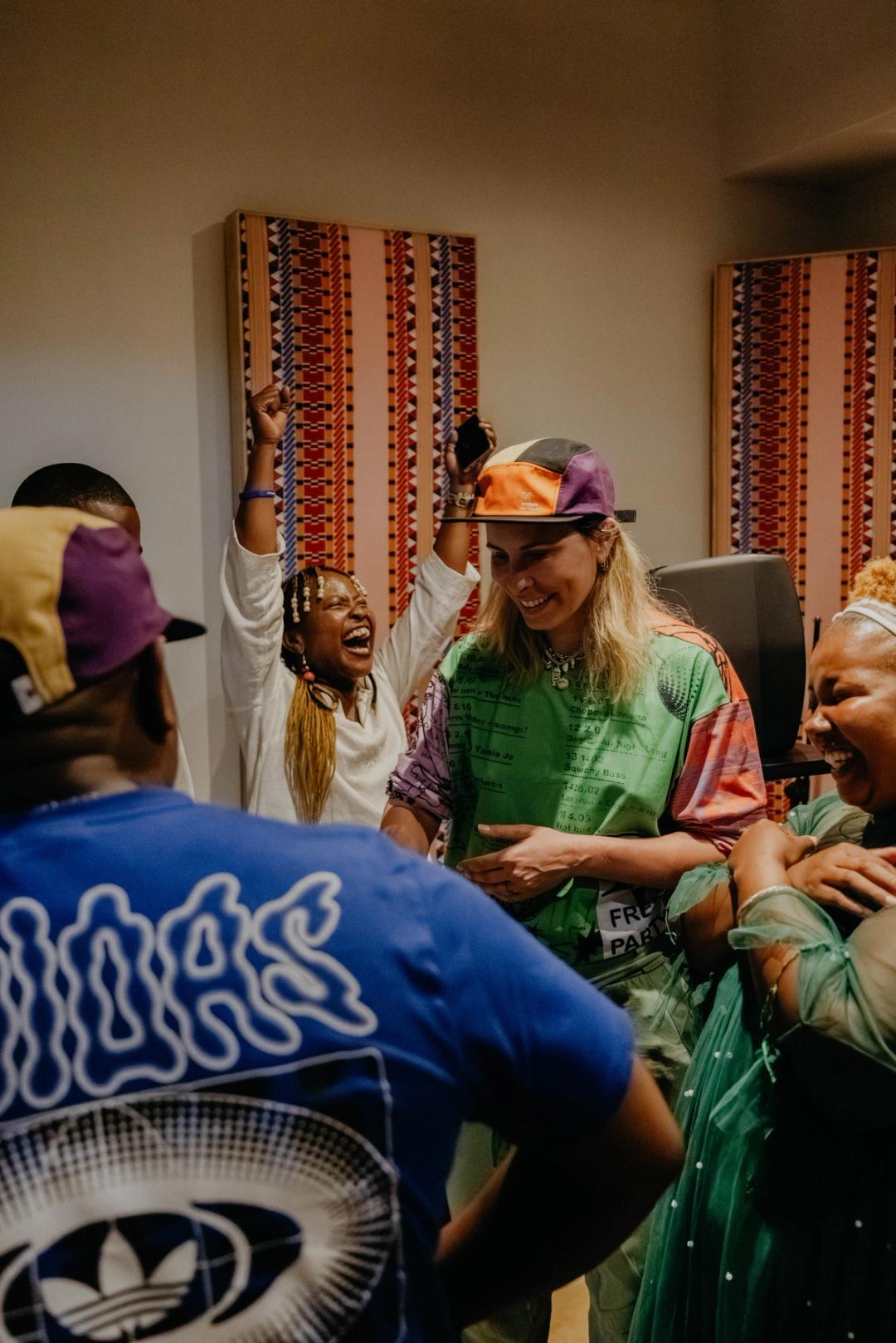
Over time, Barrioseta realised that workshops alone could only go so far. If Bridges for Music was going to create lasting change, it needed something more permanent. That led to the development of the Bridges for Music Academy in Langa, which combined music education with technology, mentoring, wellbeing and practical skills.
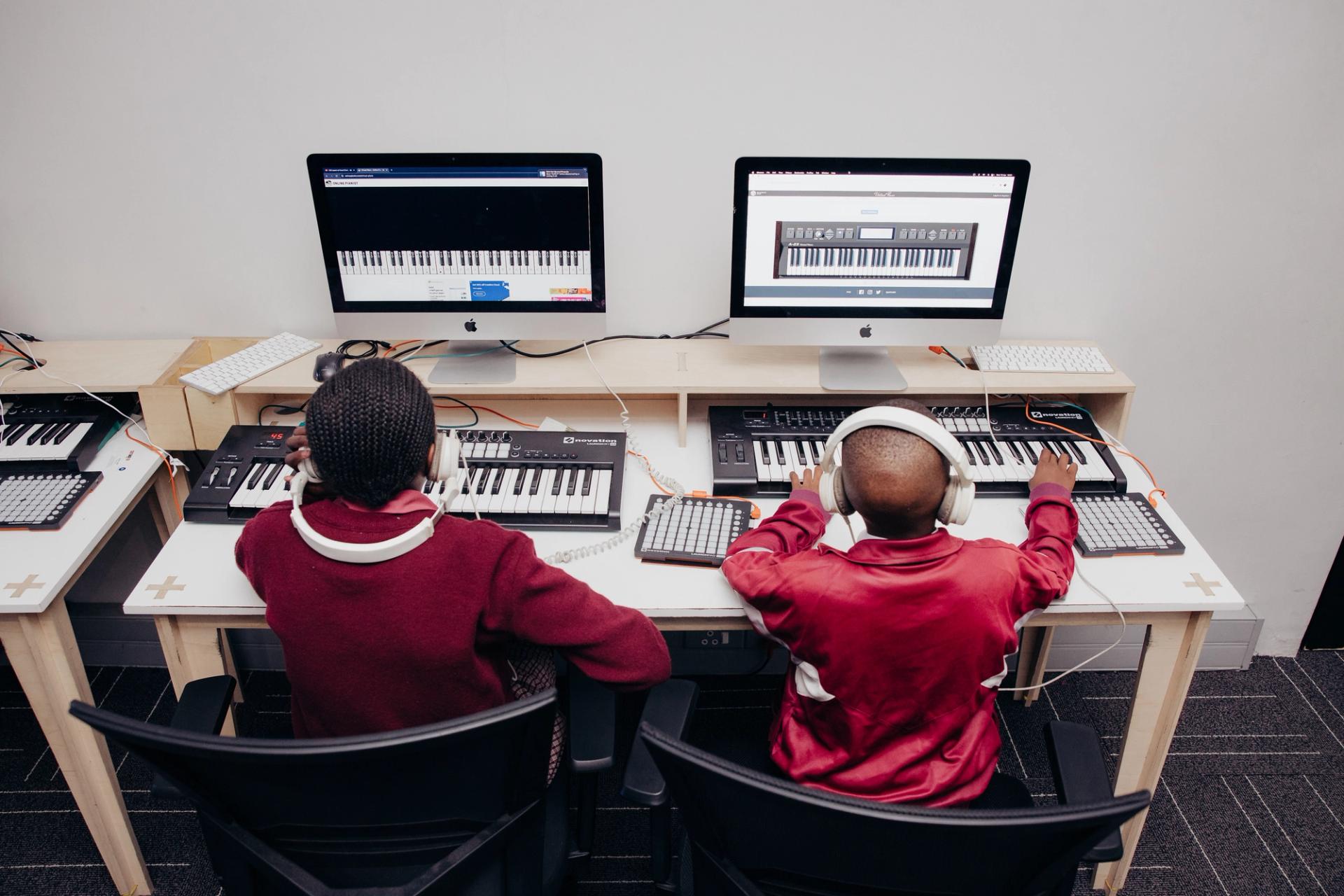
“The idea of the school came from seeing the incredible talent in these communities and how unfortunately it goes unnoticed, or falls by the wayside, because of the lack of access, mentorship, and resources,” Barrioseta told DJ Mag in a 2024 interview.
Music remains the key entry point, but students are also exposed to business, finance, marketing, technology, wellbeing and mindfulness. The aim is to provide transferable skills that can help young people build sustainable futures, whether or not they ultimately pursue careers as artists.
The distinction is important to Barrioseta. He’s conscious of the responsibility involved in introducing young people to an industry that can easily sell the fantasy of becoming the next global superstar.
“I think a DJ school is not perhaps solving so many problems in a community like Langa. I think we can’t sell the broken dream to the kids of becoming the next Black Coffee.” Barrioseta tells Moleskine Foundation.
Instead, music acts as a catalyst for change. Young people can follow their passion for production, DJing or performance while developing the wider skills needed to navigate life and work.
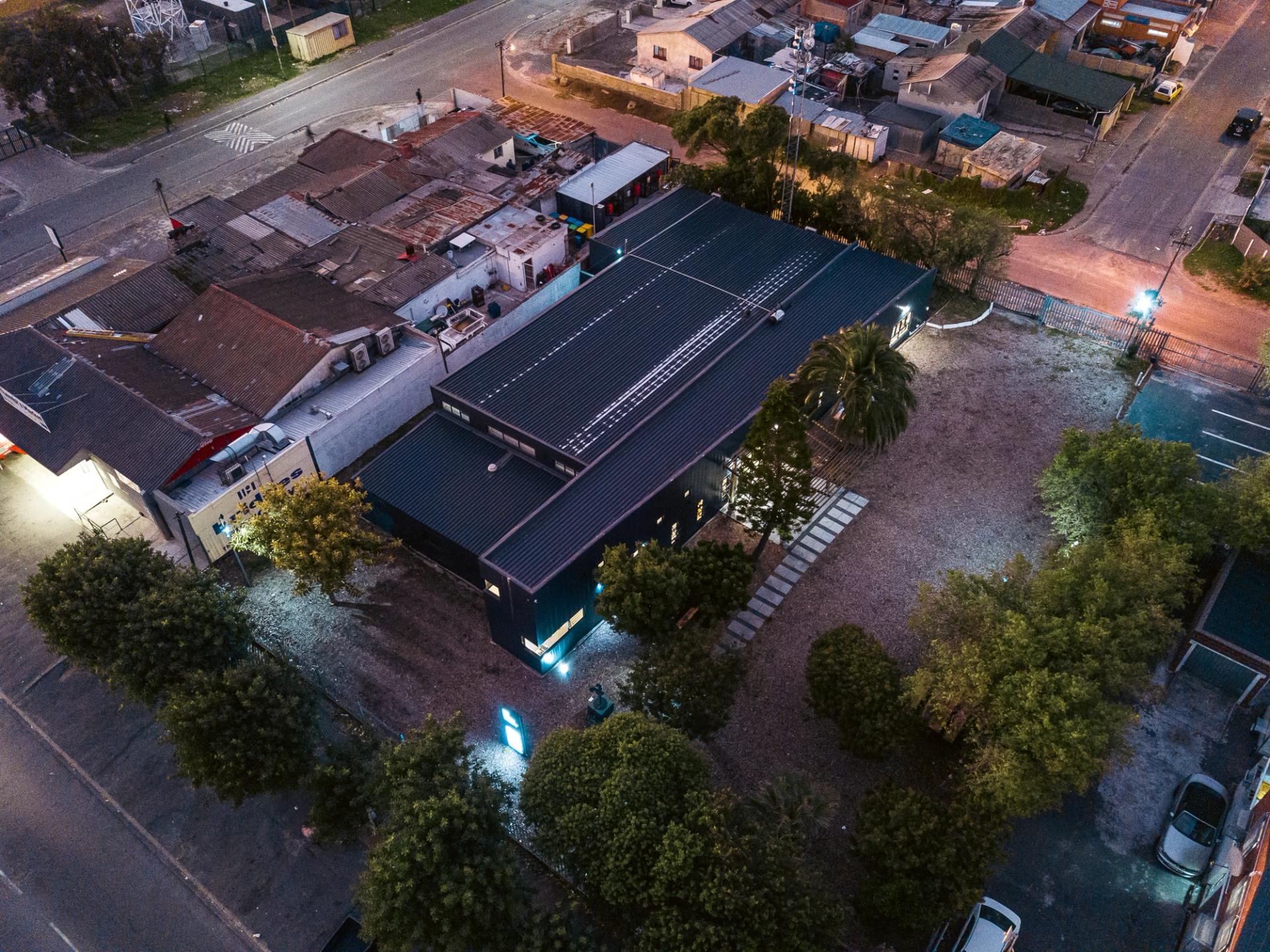
“It’s just much more than music, it’s about human development. We call it a human development center more than a music school,” Barrioseta told Moleskine Foundation.
That approach has helped turn the academy into a place where futures are built. Students have access to equipment and mentorship, while the wider organisation creates opportunities for touring, industry connections and international exchange. Some graduates have returned to support younger students, creating a cycle in which knowledge and opportunity are passed back into the community.
For Barrioseta, personal development is equally important. Many students arrive from difficult circumstances, making wellbeing central to the programme.
“You need to develop a sense of self-awareness and really understand what made you who you are, what are your limiting beliefs, how can you break through those limiting beliefs and how can you come out on the other side of being a stronger and better human being.” Barrioseta tells Moleskine Foundation.
Barrioseta believes meaningful projects require both imagination and the willingness to turn ideas into practical action.
“Dreamers, there are a lot of. Doers, not so many. And the combination of both even less. People that can hold a vision while they get things done. And I think that’s the key for anyone out there that is starting a new project right now. We always say to the students, dream big but be ready to work small.” Barrioseta told Moleskine Foundation.
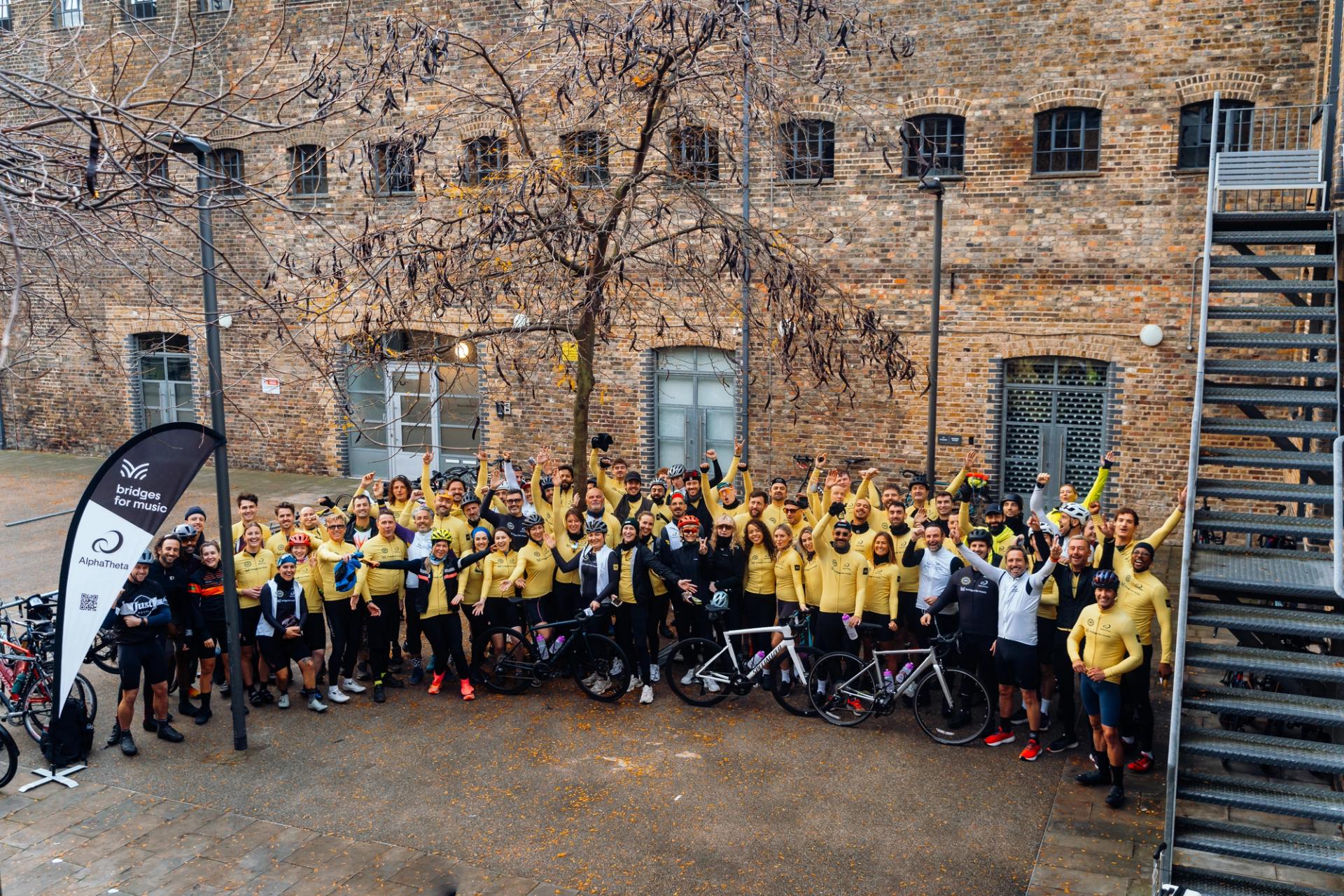
That philosophy extends to their creative fundraising initiatives, which are central to Bridges for Music’s ability to expand its work. The organisation using major industry gatherings to bring the electronic music community together around its mission. Community bike rides to Amsterdam Dance Event (ADE) and International Music Summit (IMS) have helped raised hundreds of thousands of pounds since 2014, which generates funds for the organisation’s programmes and the development of its after-school facilities.
More than a decade after its beginnings, Bridges for Music continues to explore what happens when the resources and influence of electronic music are redirected towards education and community development. And it’s a bridge that works in both directions.
To sponsor this year’s ADE 230km cycle from London to Amsterdam, head over to their fundraising page.