City Beats: Bristol
In our City Beats series, we explore underground scenes in cities around the world, and this week we’re spotlighting Bristol, the UK city in the South West of England
Bristol’s sound-system culture helped shape jungle, drum & bass and the wider UK bass movement. The city’s musical identity comes from the collision of reggae, dub, hip-hop, funk, punk, soul and electronic music, amplified through sound systems, pirate radio, free parties and a distinctly DIY approach to nightlife.
The city’s influence is global. From The Wild Bunch and Massive Attack to Smith & Mighty, Roni Size, Krust, DJ Die, to Bakey, Breaka, Addison Groove and Sam Binga, Bristol is home to some of the most important artists in British electronic music, and has influenced hundreds of major artists worldwide. But its story begins before drum & bass even had a name.
A Brief History of Bristol’s Underground
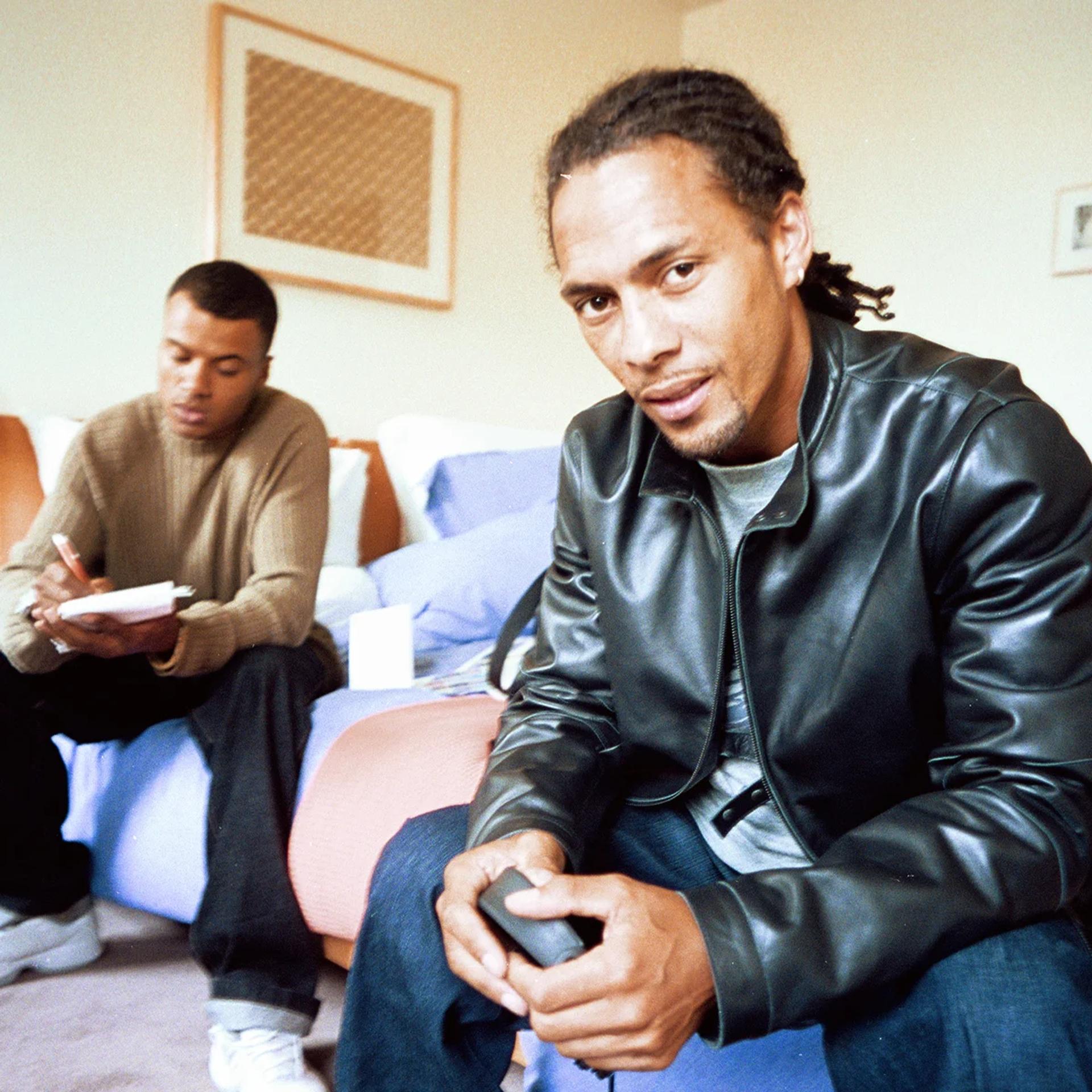
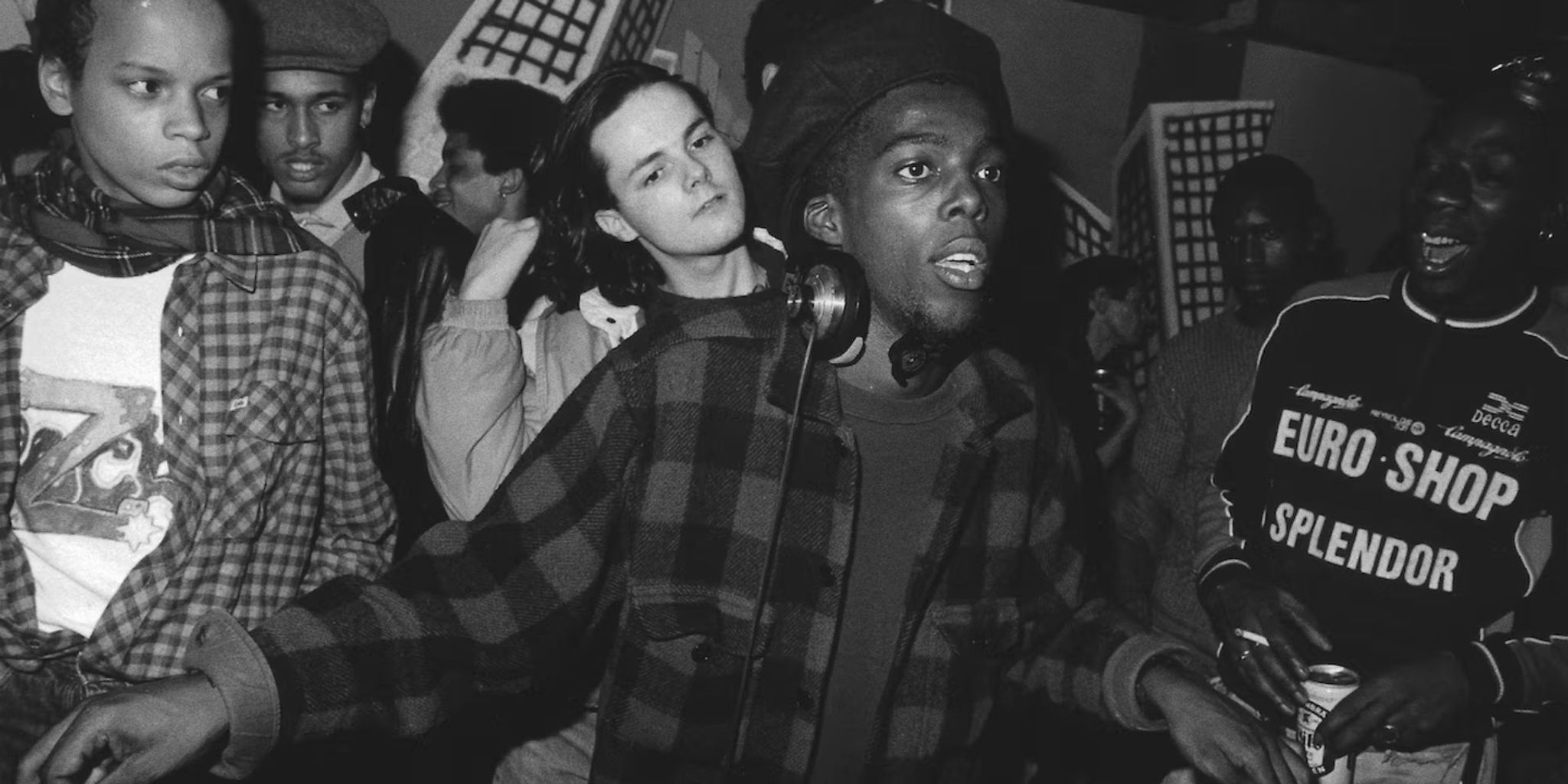
Bristol’s musical culture is deeply connected to its African-Caribbean communities and its history as a port city. In the late 1970s, reggae sound systems were fixtures of local life, while DJs played funk, disco and soul across the city.
In St Paul’s, sound systems modelled on Jamaican traditions became central to the community. Crews built their own speaker stacks, selected records and competed in soundclashes, creating a culture where the physical power of the sound was almost as important as the music itself.
The 1980 St Paul’s riot were an important turning point. Tensions between the police and the Black community had been building for years, intensified by discriminatory stop-and-search practices. After this major confrontation, the relationship between authorities and the community changed, and sound systems could operate with considerably more freedom.
Empty buildings and warehouses provided spaces for parties, and as Bristol musician and journalist John King told The Guardian, the result was an unusually organic all-night-long culture: “the soundsystems were then free to continue all night, with rolling bass lines undulating through to daybreak.”
Out of this environment came The Wild Bunch, one of Bristol’s most influential sound-system crews. Active during the 1980s, the collective included figures who would later form Massive Attack, while its sets pulled together reggae, R&B, punk, hip-hop and electronic music.
It was precisely this refusal to stay within genre boundaries that would come to define Bristol.
Roni Size, who grew up in the city and would later become one of drum & bass’s most influential producers, put it simply: “you can’t do the Bristol sound justice by saying that it’s one thing. It’s many things – a party vibe, a deep vibe – it changes.”
From Sound Systems to Drum & Bass
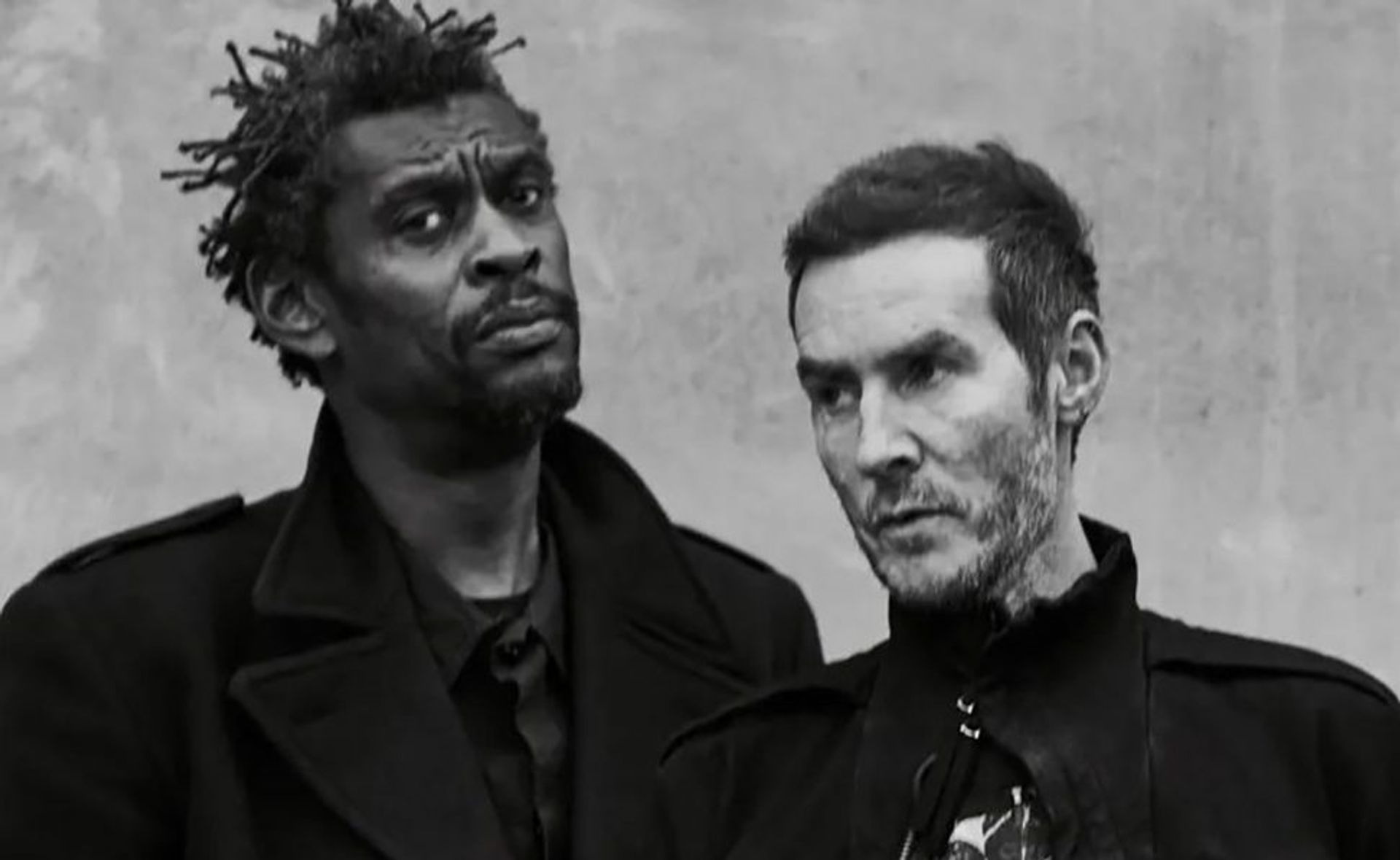
By the late 1980s and early 1990s, Bristol’s sound-system culture was colliding with the rapidly developing UK rave movement.
Smith & Mighty were among the first Bristol artists to experiment with the combination of breakbeats, sub-bass and samples that would become fundamental to jungle and drum & bass. Dazee has described them as “the forefathers of the jungle sound,” while Roni Size has credits them as an important influence on his own development.
Roni Size, Krust, DJ Die and SUV took the breakbeats and speed of rave and combined them with Bristol’s existing love of deep bass, reggae, hip-hop and soul. These artists and their sound became central to the Full Cycle collective and label.
Roni Size recalls that period as a musical free-for-all. “Drum & bass was not even a term when I started making music,” he explained in a recent interview with UKF. He remembers hearing reggae basslines, MCs, techno and house all existing alongside one another at early raves and wanting to recreate that collision in his own productions.
That became one of Bristol’s defining characteristics: bass first, genre second.
When Roni Size released New Forms in 1997, the album won the Mercury Prize, bringing Bristol’s particular interpretation of drum & bass into the mainstream.
Venues and Sound Systems
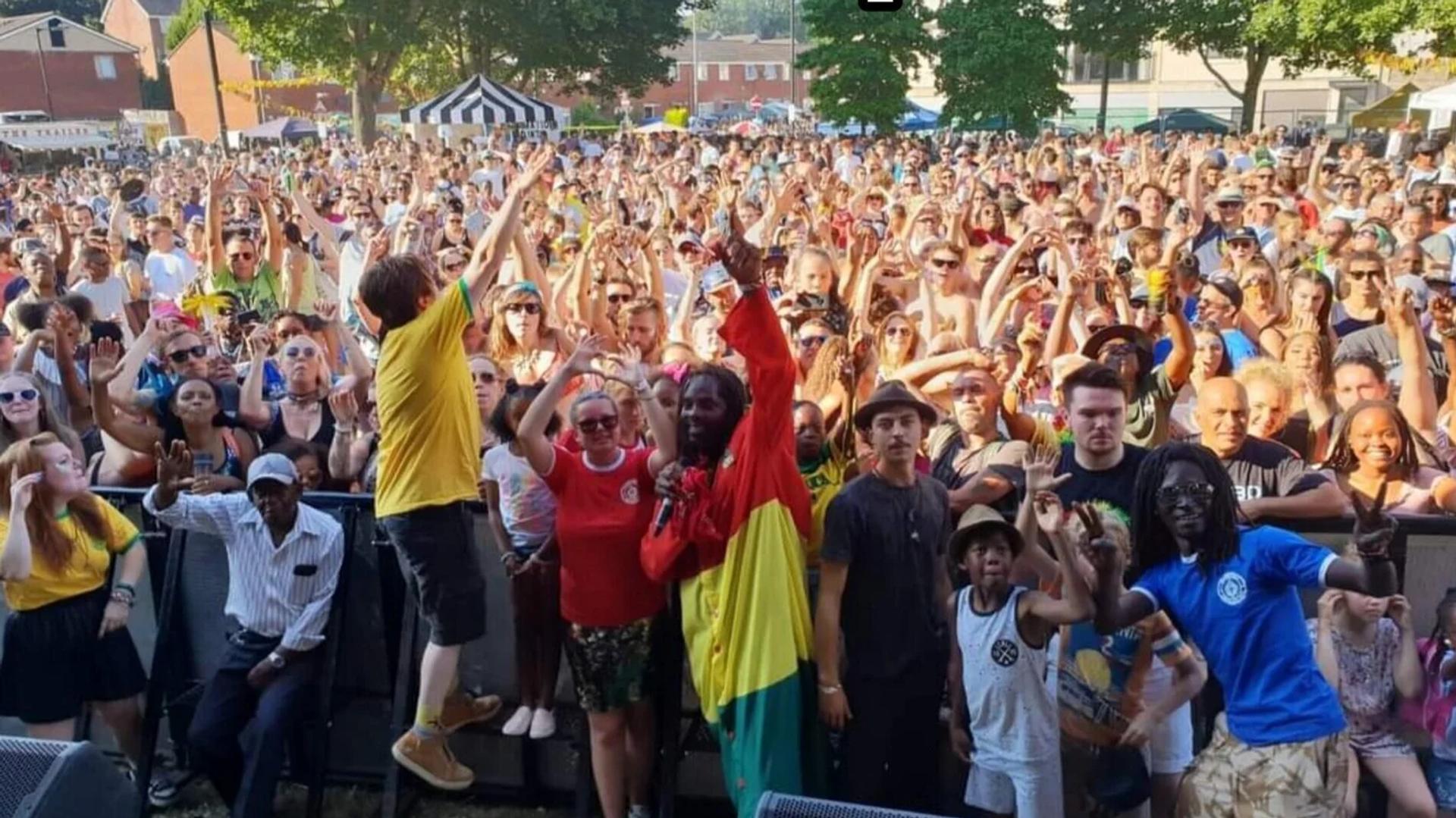
From St Paul’s Carnival and early sound-system parties to warehouses and underground clubs, the city’s sound systems developed a culture where DJs, producers, MCs, promoters and ravers could move between different musical worlds.
Lakotaopened in 1992 in Stokes Croft, became one of the city's enduring club institutions. Its programme encompassed everything from jungle and drum & bass to dubstep, techno, reggae and house.
The Full Moonwas an important early hub for Bristol’s jungle and drum & bass scene, particularly in the 1990s.
Trinity Centre was an important community venue, hosting jungle and drum & bass alongside a much wider programme of music and performance.
St Pauls Carnival was a major celebration of Bristol’s Afro-Caribbean culture and community, bringing music, sound systems and street culture to the city each summer.
And while the city’s venues continue to change repeatedly, the principle has remained consistent: build the infrastructure yourself when the existing infrastructure isn't there.
The Bristol Sound
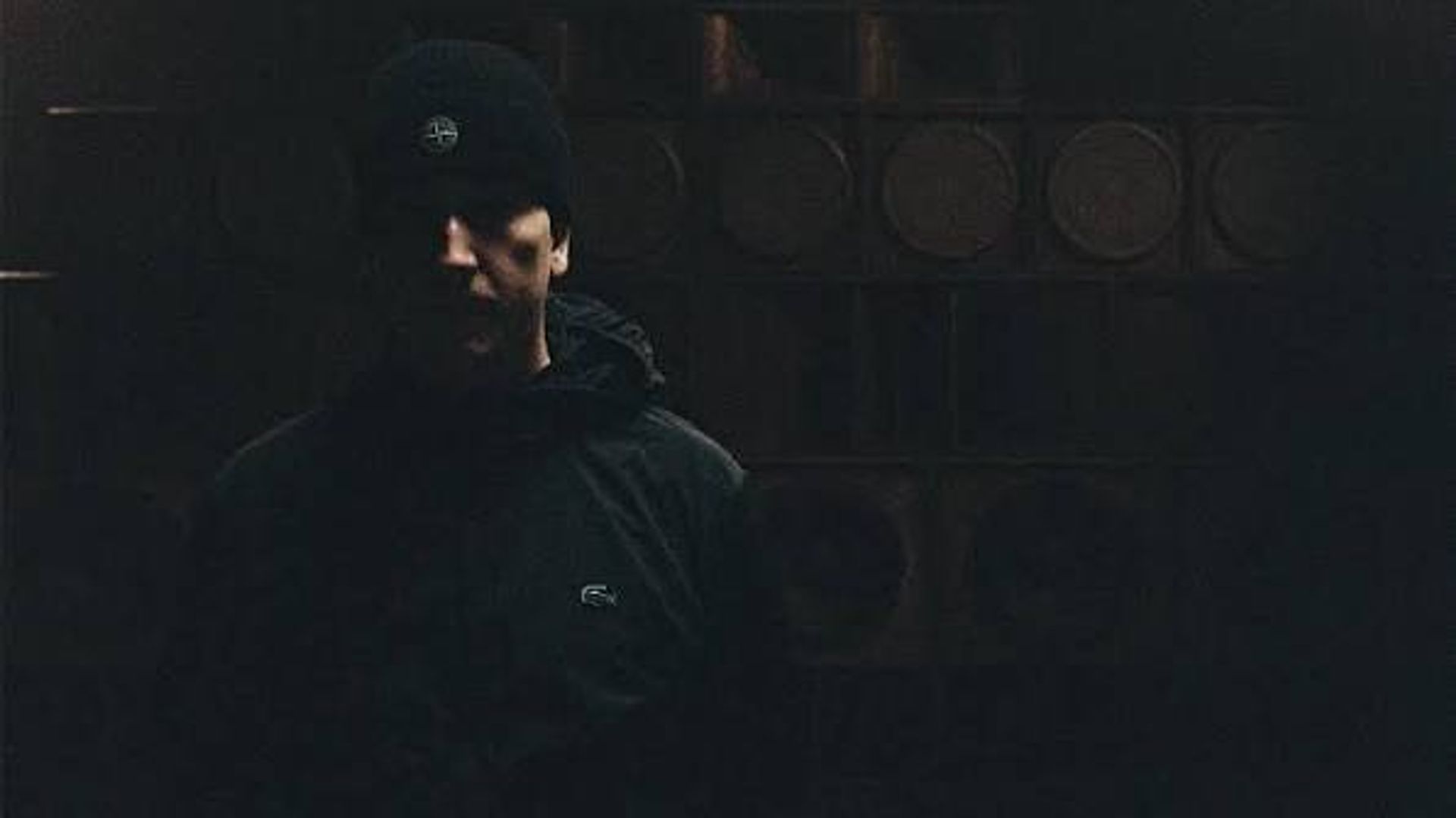
At almost exactly the same time as Full Cycle and Reprazent (Roni Size) were developing their specific brand of breakbeat music, Massive Attack, Tricky and Portishead were producing music that would become internationally associated with the so-called ‘Bristol Sound.’
Those connections weren't accidental. They emerged from overlapping communities, clubs, record collections and sound systems.
The Wild Bunch provided a particularly important bridge. Members went on to form Massive Attack, while other musicians connected to the same ecosystem moved between hip-hop, reggae, electronic music and soul.
What emerged was more a philosophy than a genre: heavy bass, unconventional structures, musical experimentation and an instinct to combine things that weren't supposed to belong.
As Roni Size once put it, Bristol's music was capable of giving people from the local community a sense of possibility. “When people see people like me from our community… they start to get hope.”
The Challenges
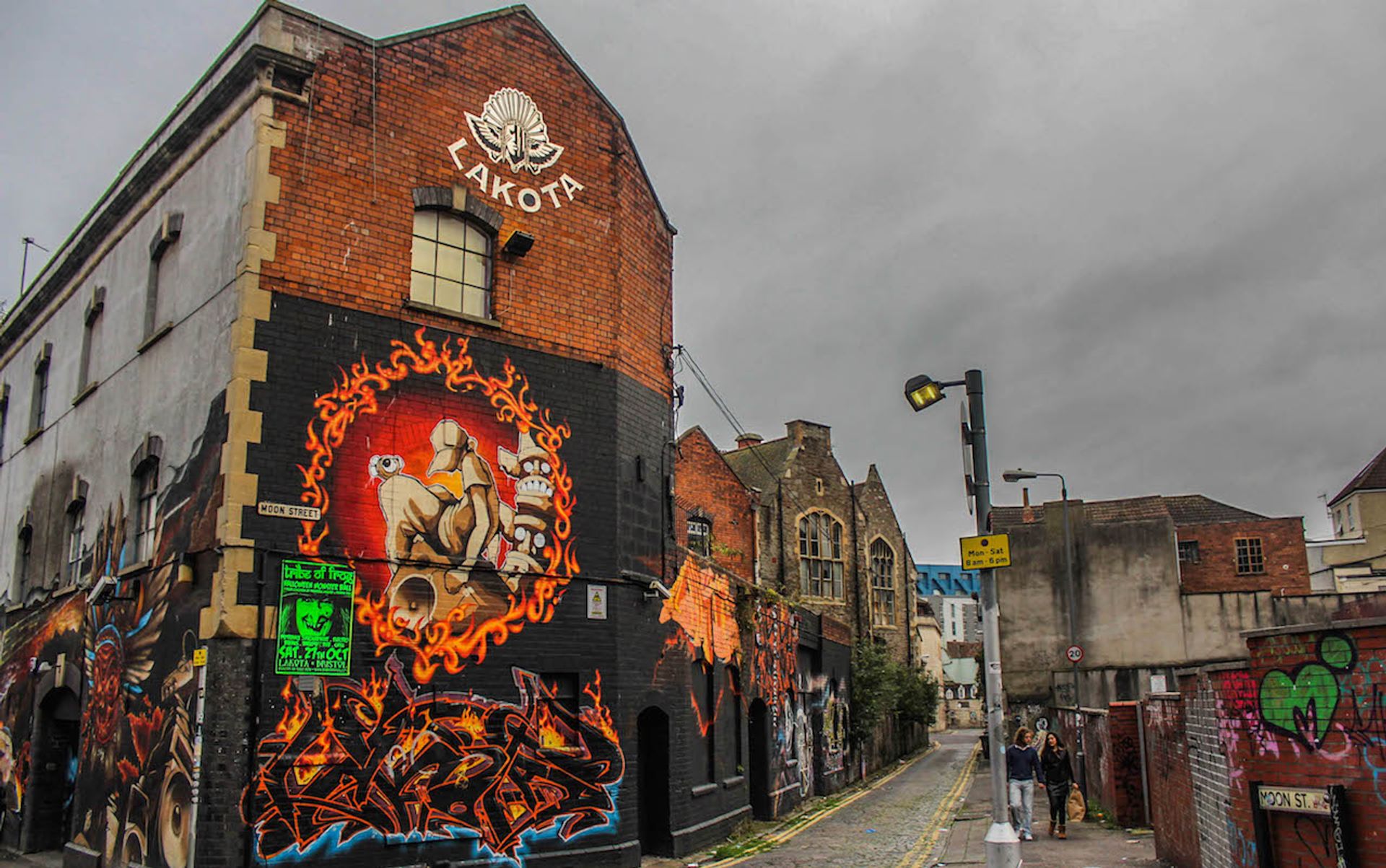
Bristol's independence has always been both its strength and its vulnerability.
The city has faced the same pressures affecting nightlife across the UK: rising costs, venue closures, changing licensing environments and the difficulty of maintaining spaces where underground music can exist without being swallowed by commercial interests.
But the culture that defines Bristol makes it difficult to extinguish. Its artists continue to establish labels, radio stations, collectives and independent venues, and the city's relationship with bass music continues to thrive.
Looking to the Future
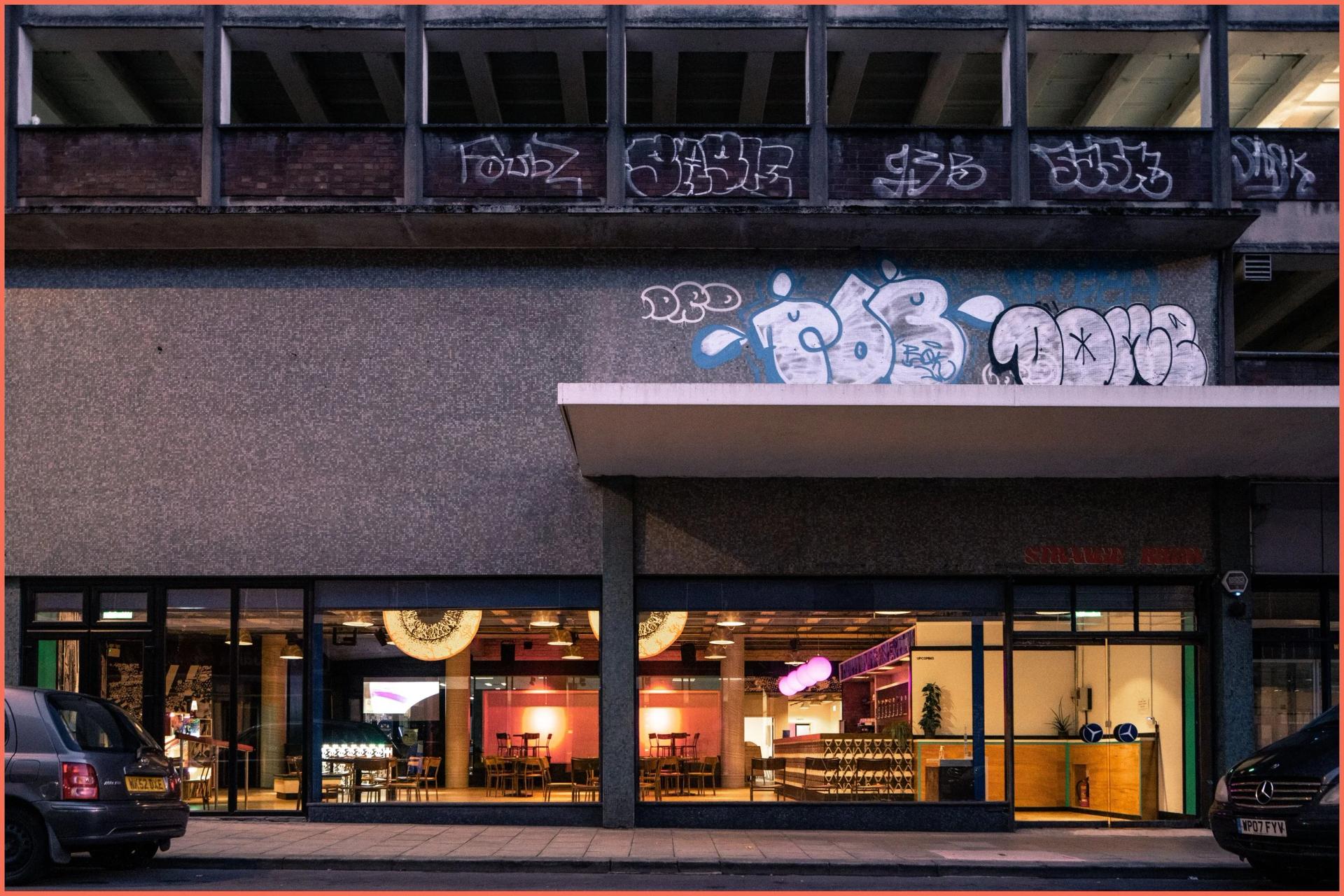
Today, Bristol is one of the UK's most important centres for underground music.
Alongside the old institutions there’s a new generation of promoters, producers and ravers. Lakota continues to programme jungle and drum & bass, while Trinity hosts everything from old-school hardcore to futuristic jungle. Newer venues such as Strange Brew and Electric Bristol have helped carry the city’s bass music culture into a new generation, building on the city's longstanding appetite for experimentation.
And Bristol continues to spawn artists who refuse to stay in one lane.
Perhaps that’s the most enduring part of Bristol's musical legacy. Its sound was never really about drum & bass alone, it was about the space where culture, sounds and communities collide.
More than four decades after those early St Paul’s sound systems began shaking the neighbourhood, the bass ain’t going anywhere. And, as Roni Size recently put it to UKF, “what is happening in Bristol right now is beautiful”. Bristol’s legacy isn’t a genre at all, but the restless, rebellious communities that keep reinventing it.