19:26 on Identity, New York, and What Comes Next

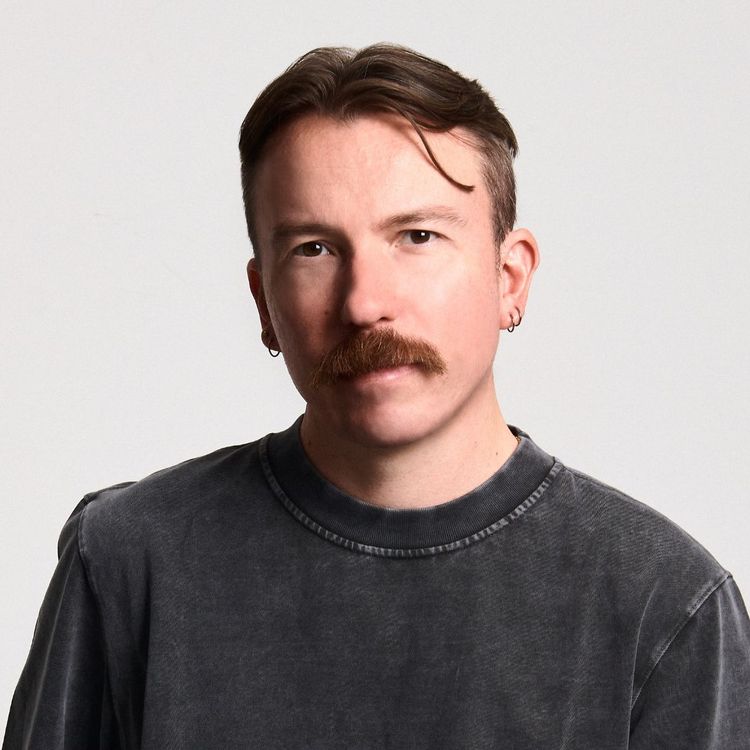
19:26 has become one of the most closely watched names in melodic techno, building his profile through releases on Afterlife, Siamese, Zamna, and standout performances from Ibiza to New York.
Behind the project is Raffaele Sorrentini, an Italian producer whose music draws heavily from atmosphere, emotion, and visual references, while still staying rooted in the club. His rise has brought him to major stages around the world, but his connection to cities like Naples and New York continues to play an important role in how he thinks about music and performance.
We caught up with 19:26 to talk about touring, collaboration, inspiration, longevity in melodic techno, and a few things outside of music that fans may not expect.
Your sets often feel cinematic without losing their edge on the dance floor. What’s the balance you look for when building tension in a track or a set?
There’s no fixed balance. It’s a moving target, and that’s exactly what keeps me interested. What I know for sure is that I need constant emotional tension. In the studio, behind the decks, always.
You’ve played everywhere from Hï Ibiza to the Pyramids of Giza. Has there been a moment recently where you stopped and thought, “This is really happening”?
Definitely my sold out show at 99 Scott in New York. I’d played the city before, but it was my first real headline show in one of the most iconic cities in the world. Over 250 people were left outside without a ticket. The party was insane, and I’ve thought about it more than once since then.
Your music carries a strong emotional weight without sounding overly sentimental. Where do you think that instinct comes from?
Honestly, I can’t fully explain it. It probably comes from everything I’ve absorbed over the years: music, films, moments, emotions. Some things you build, and some things you just are.
You’ve mentioned drawing inspiration from outside electronic music. What’s something you’ve been listening to lately that might surprise people?
Classical music, especially Bach. And film scores by Clint Mansell, Hans Zimmer, Vangelis, and Ennio Morricone.
How different is the version of yourself in the studio compared to the one behind the decks?
Not that much. The studio version is more reflective, while the one behind the decks is more instinctive.
The melodic techno scene has exploded over the last few years. What do you think separates artists who last from artists who come and go quickly?
Credibility. Building your sound is a long process. It’s the result of who you are, what you have done, and what you have lived. It’s your story. The artists who last are the ones who have an identity that goes beyond the moment. The ones who disappear are those who build around a trend instead of themselves.
A lot of your tracks feel spacious and atmospheric. Do visuals or places ever inspire the direction of your music?
Always. Places are my first source of inspiration. Colors, scents, and images can stay with me for years. As you know, my entire project is based on a place: Napoli, the city where I come from. When I produce or listen to music, I think in images. My entire live show, THE PASSAGE, is built around that.
Beirut seems to be a place that’s inspired you creatively. What is it about the city that keeps pulling you back?
Beirut has this energy I’ve never found anywhere else. I’ve written music there and spent long periods there. The situation has been brutal for years, but the people are luminous. That contradiction is what pulls you in. I haven’t been able to go back because of the war. I hope to return soon.
You’ve collaborated with artists like Anyma and MRAK. What do you enjoy most about collaborating versus working alone?
Collaborating is one of the things I enjoy most, and every collaboration is different. Artistically and technically, you always come out of it with something new, both in your music and in yourself.
Working alone is a different process. It gives you the freedom to make your own choices without compromise. Artistically, I believe it’s more authentic.
You’ve said you still have a huge amount of unreleased music sitting on hard drives. What usually determines whether a track gets released or stays private?
Timing. A track can be good and still not be ready for me, for the moment, or for where I want to go. I’m very selective. The ones that come out are the ones I’d still be proud of in ten years. And to understand that, I need to listen to them literally thousands of times.
If you could play one venue again tomorrow with zero pressure or expectations, where would it be? Oh, many of them. But if I had to pick one right now, I’d choose the Royal Palace in Brussels. The vibe, the location, the crowd. It was all perfect.
What’s the weirdest or funniest thing that’s happened to you right before a set? The driver took me to the wrong club. It happened recently in Cyprus.
You’re stuck playing one track for the rest of your life at every afterparty. What track are you choosing? “XX.”
Gray Area Food Series
1. What’s your favorite cuisine, and why does it connect with you personally or culturally? I’m Italian, so the answer should be obvious. But I particularly love Asian and Middle Eastern cuisines.
2. Is there a childhood dish or meal that instantly brings you back home? Pizza.
3. What city do you think has the best food culture, and what makes it stand out to you? Naples. No competition. The ingredients, the tradition, and the passion they put into it.
4. After a long flight, what’s your ultimate comfort meal? Mmm, I love ramen when I land.
5. If you had to plan the perfect dinner with three artists, dead or alive, who’s sitting at the table, and what are you eating? Freddie Mercury, Ennio Morricone, and Pino Daniele. And we’re eating pizza on the seafront in Naples.