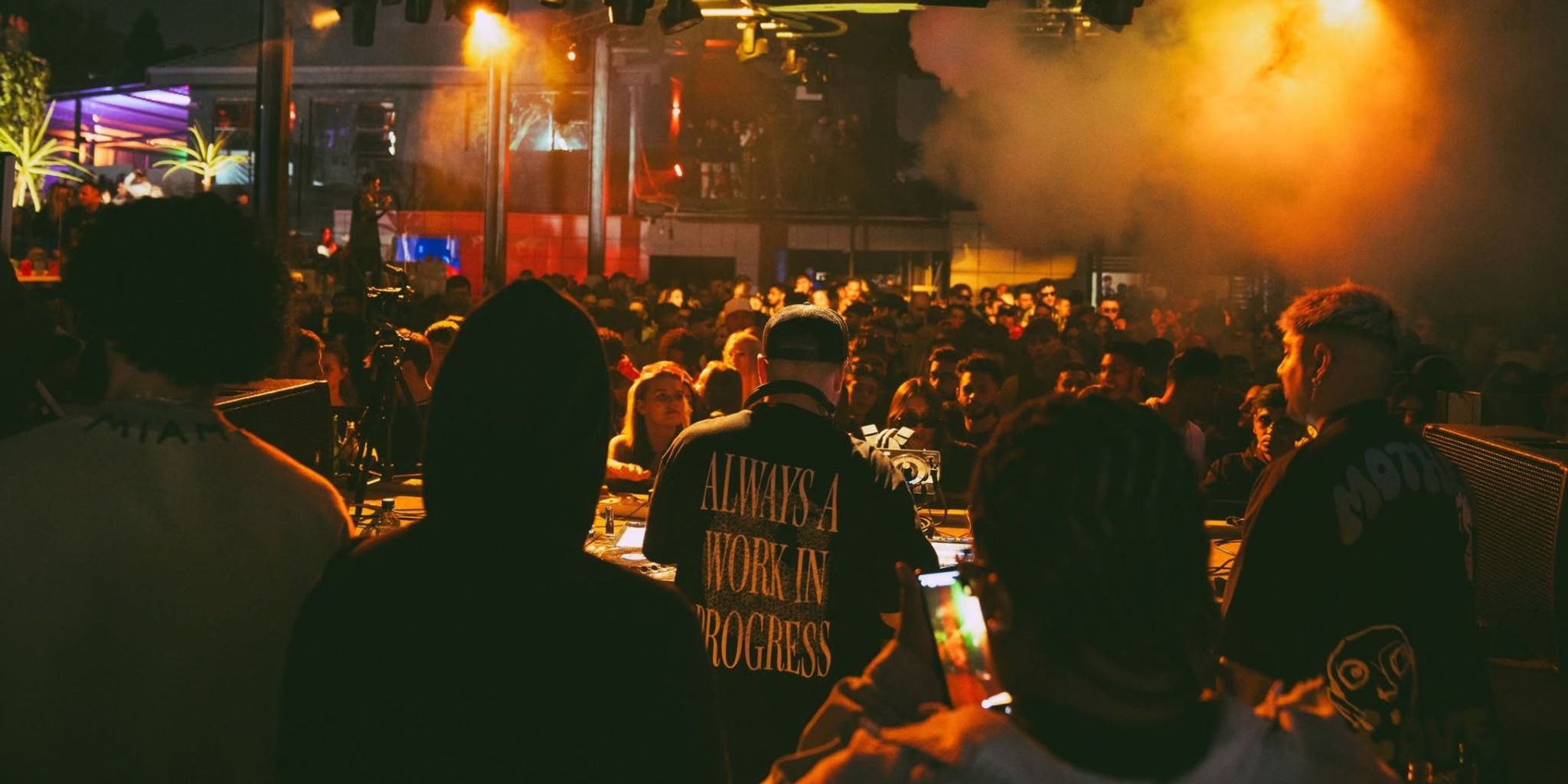
City Beats: Johannesburg
In our City Beats series, we explore underground scenes in cities all around the world, and this week we’re heading to Johannesburg, South Africa — a city whose townships have helped shape some of the most exciting electronic music in the world.
Johannesburg is a city of contradictions. It’s South Africa’s economic powerhouse; a sprawling metropolis that’s home to some of the country’s wealthiest and most impoverished. Crime rates, unemployment, food insecurity and youth vulnerability are sky-high, yet it is also home to some of the country’s most innovative musical communities. From the townships surrounding the city to its clubs, shebeens, studios and global dance floors, Johannesburg has played a crucial role in the development of South African house music, and most notably in the rise of gqom and amapiano.
A Brief History of Johannesburg’s Dance Music Scene
South Africa has a long history of absorbing international dance music and transforming it into something unique. Historically, disco, jazz, house, hip-hop and electro all feed into the sounds coming from the dance floor.
Kwaito is a particularly significant genre. Emerging around the end of apartheid, it’s essentially slowed-down house music, with added vocals of township slang. It soon became one of the defining sounds of post-apartheid South Africa and matched the mood of the country: music made by and for young Black South Africans. It reflected a rapidly changing country and soundtracked a new era of freedom.
Amapiano emerged from this lineage. Its exact birthplace remains contested, with Johannesburg and Pretoria both central to its early development, but Gauteng’s townships were fundamental to its rise. Bedroom producers, DJs and dancers began developing a slower, more spacious form of house music built around jazzy piano chords, deep bass and the now-iconic log drum.
Much of the early music was created using accessible software such as FL Studio and spread through informal networks, local parties and the internet. That DIY infrastructure became one of the genre’s greatest strengths.
By 2019, amapiano was breaking through nationally. Since then, it has become one of South Africa’s biggest musical exports, travelling from township parties and Johannesburg clubs to dancefloors around the world.
From the Townships to the World
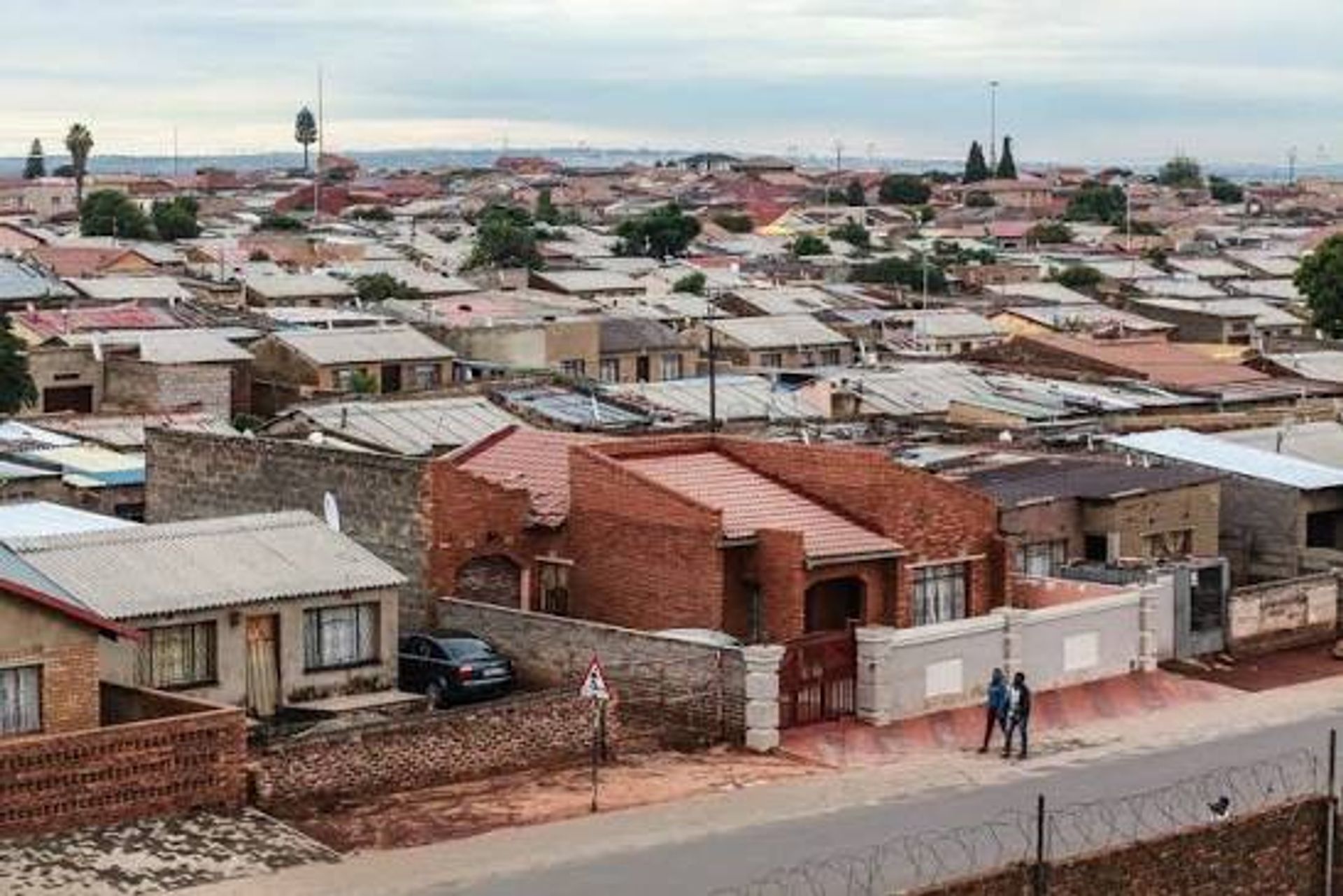
Tembisa, Shimza's township
Johannesburg’s townships have played a crucial role in the country’s underground scene. Places such as Soweto, Alexandra and Katlehong have all been associated with amapiano’s development and proliferation, while the genre’s wider Gauteng story extends into townships around Pretoria.
That connection between music and place is part of what makes South Africa’s electronic culture so distinctive. These aren’t simply genres produced in South Africa; they emerged from particular communities, social histories and ways of living.
Johannesburg sits within a much wider electronic ecosystem that includes Afro house, deep house, kwaito, amapiano and countless hybrids. Gqom itself emerged in Durban rather than Johannesburg, but its stripped-back, bass-heavy sound has travelled widely and become part of South Africa’s broader electronic vocabulary.
The Artists

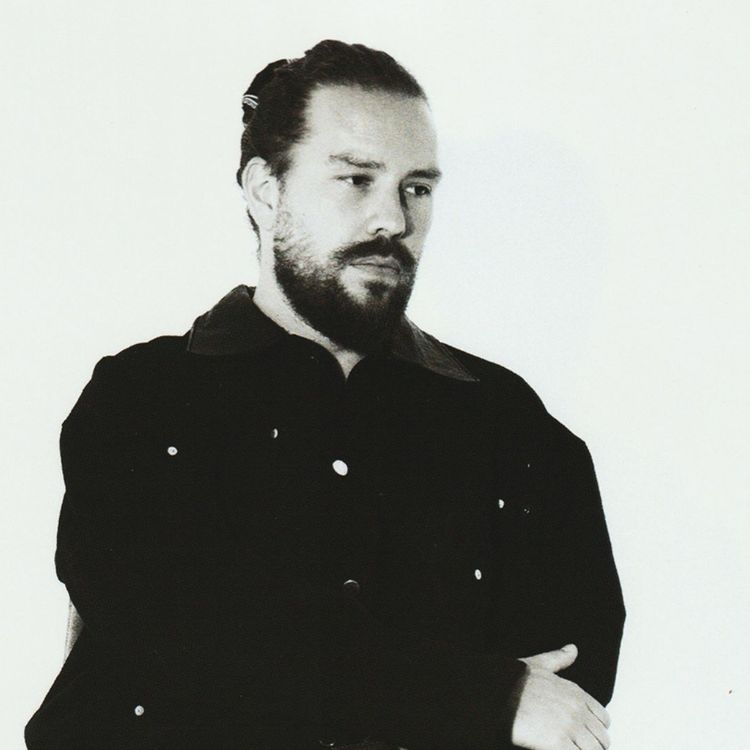
Shimza
Countless artists demonstrate how broad Johannesburg’s electronic identity has become, but here are a few of our favourites:
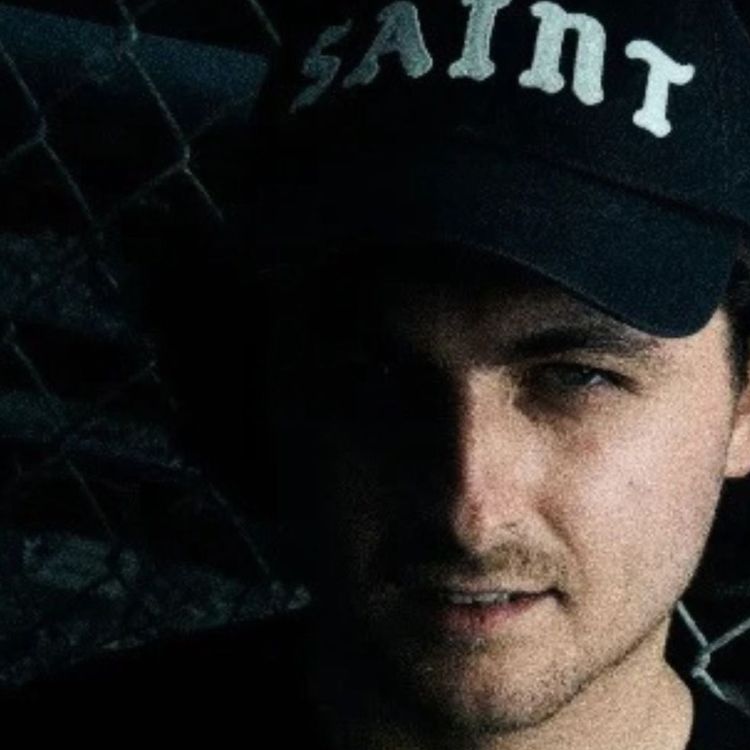
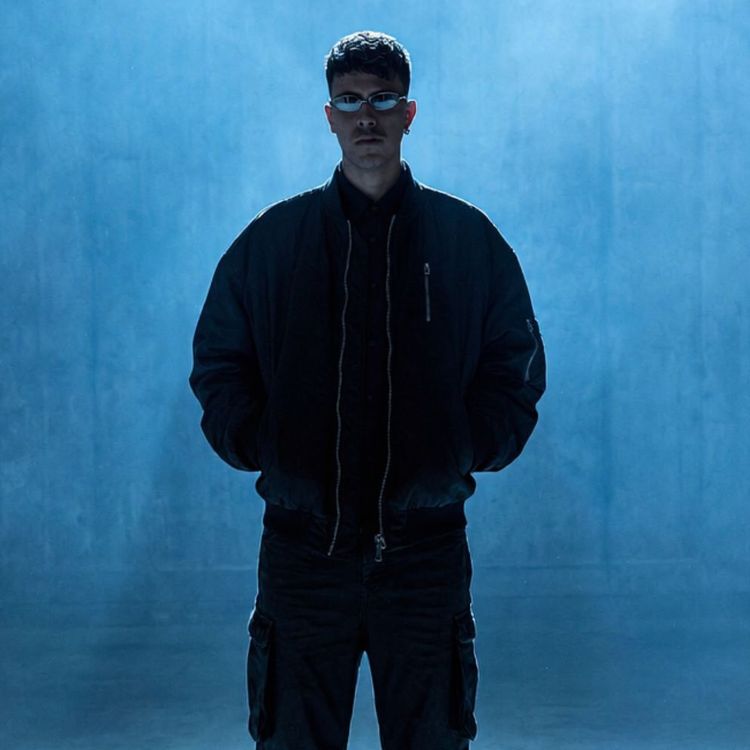
Shimza, born Ashley Raphala and raised in the township of Tembisa on Johannesburg’s eastern edge is one of the clearest examples of an artist taking a distinctly South African sound to an international audience. He began DJing while still at school and has built a career around Afro house and electronic music while maintaining a strong connection to his community through his festival, One Man Show.
His career proves that local success and international recognition don’t necessarily have to mean abandoning where you came from.
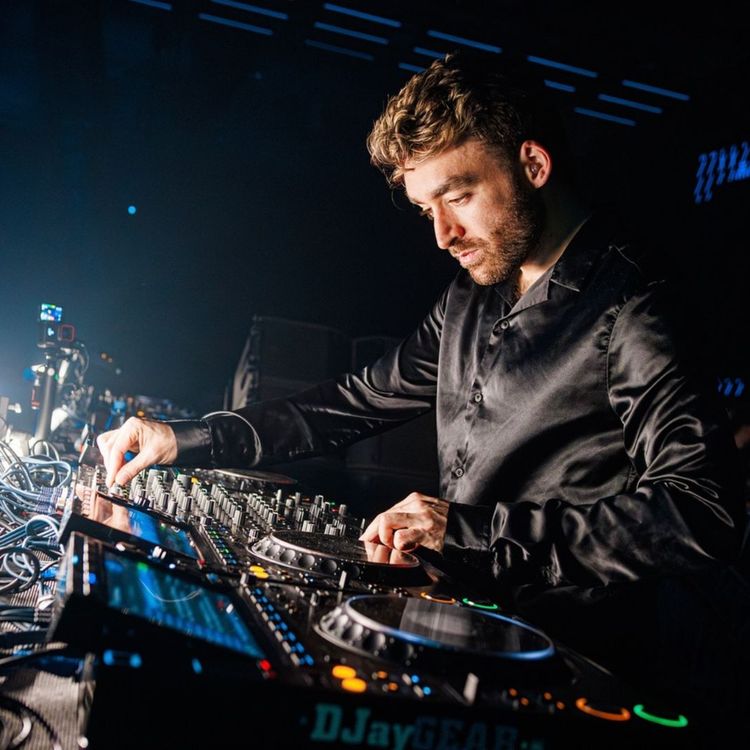
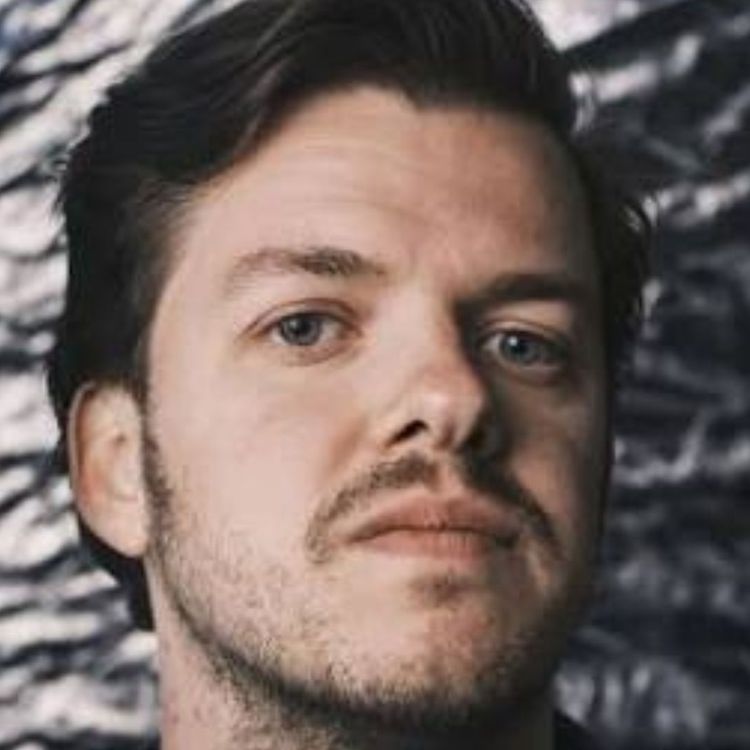
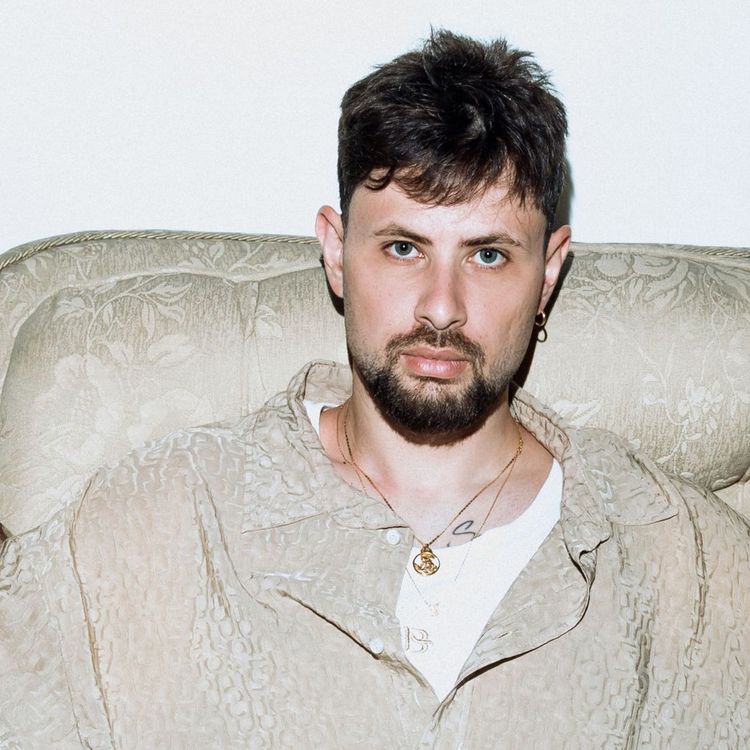
Then there is Kyle Watson, the Johannesburg-born producer whose chunky, bass-heavy house has taken him from the South African scene to international festivals and dance floors. His music sits outside amapiano itself, but forms part of the city’s wider electronic story, demonstrating that Johannesburg’s house scene extends far beyond a single genre.
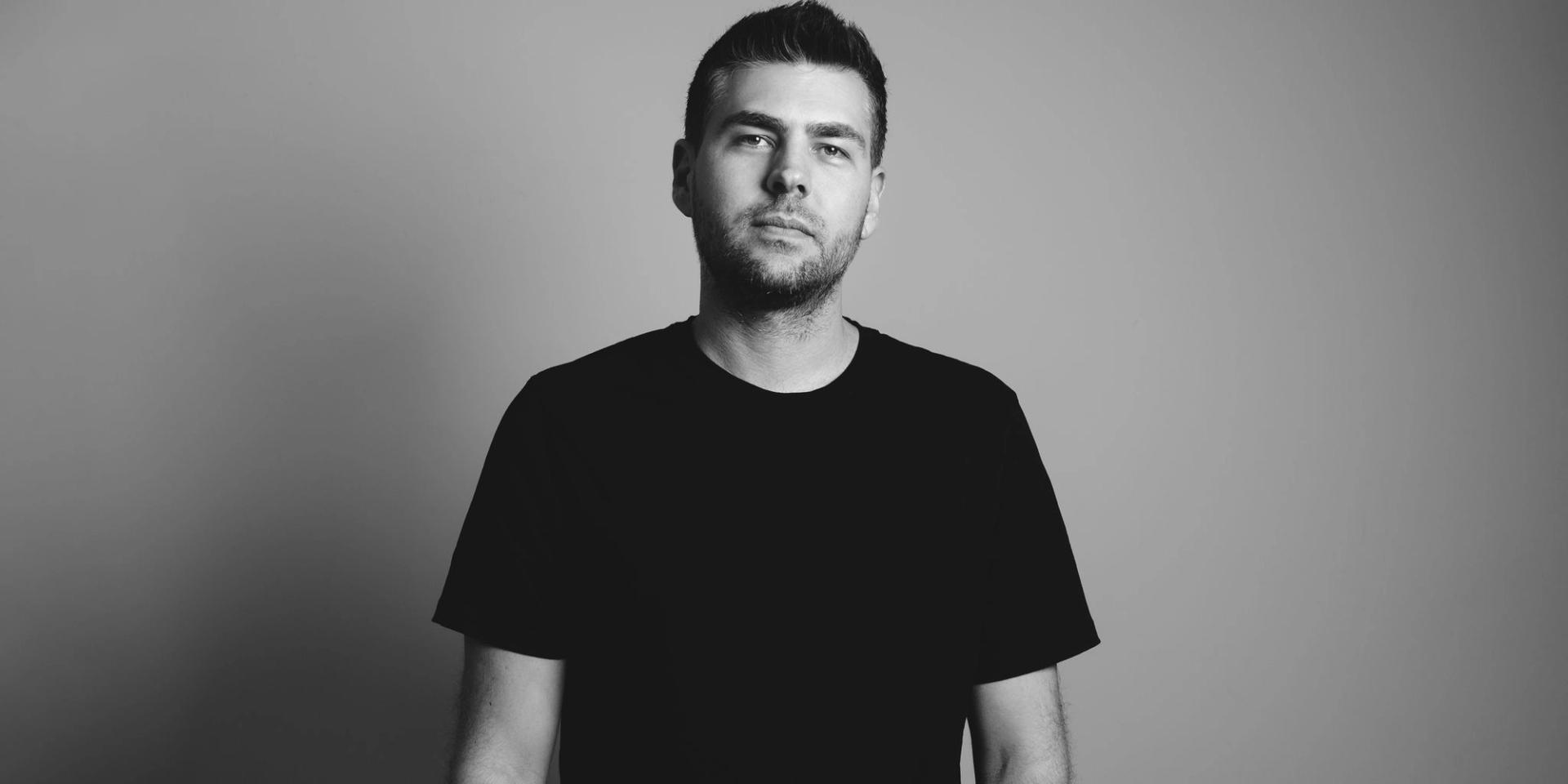
Kyle Watson
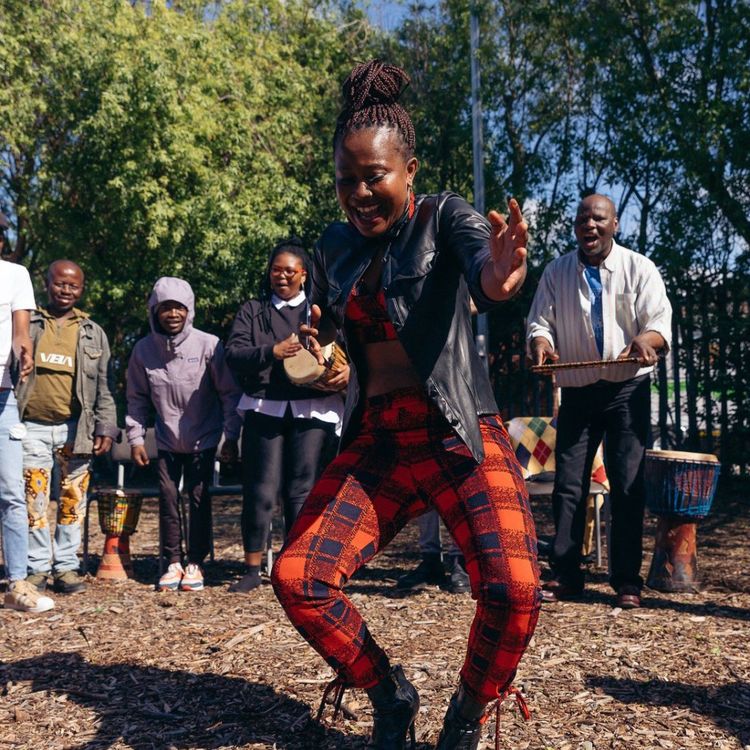
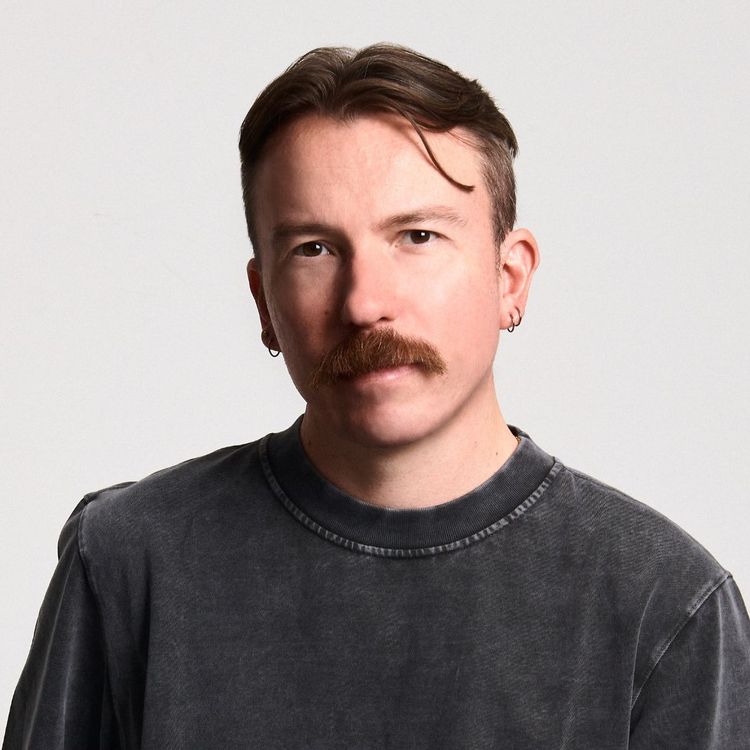
Artists such as Zimbabwean-born Jackie Queens further demonstrate the growing visibility of South African women within electronic music, while a huge network of DJs, producers, vocalists, dancers, promoters and independent collectives continues to develop sounds that don’t fit neatly into Western genre categories.
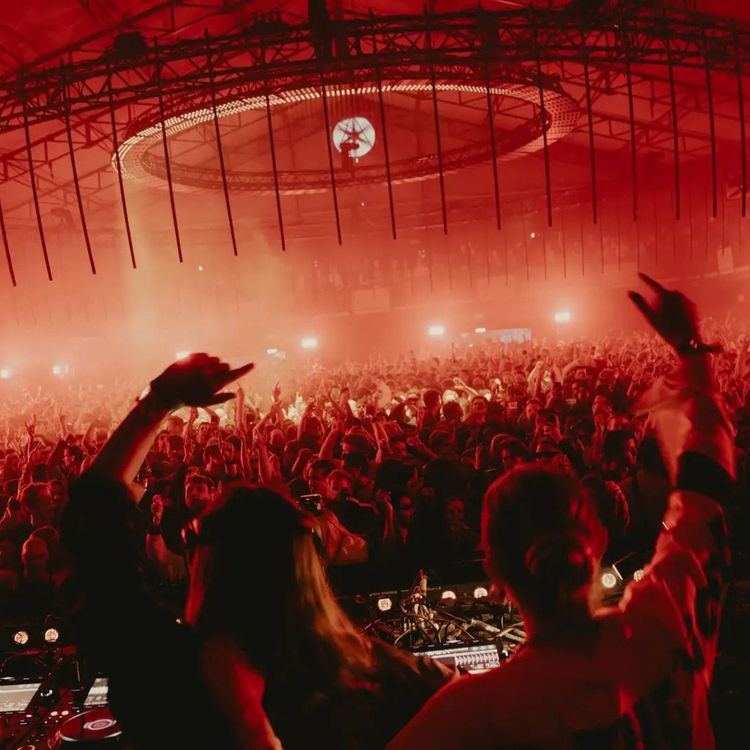
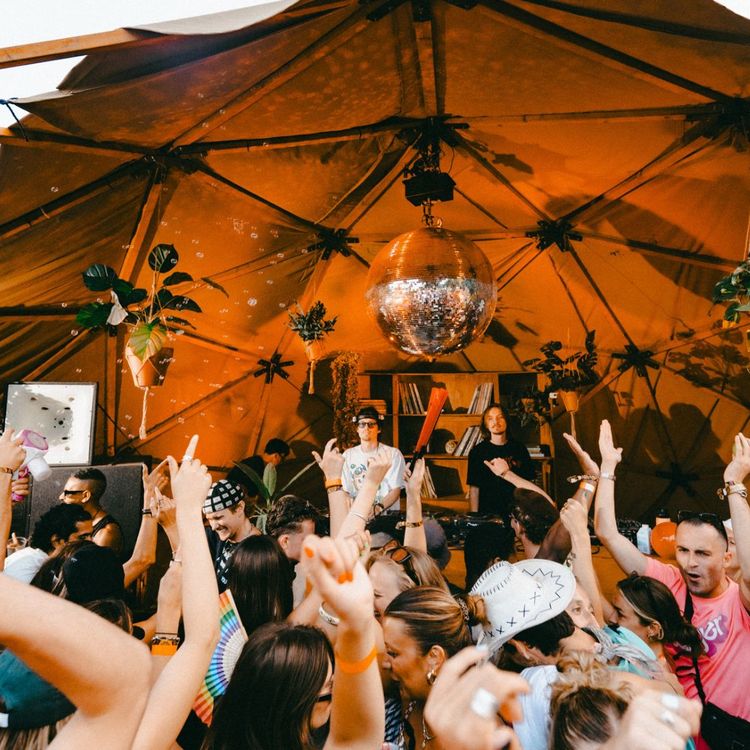
Other key players in South Africa’s underground include Black Coffee, Culoe De Song, Thandi Draai, DBN Gogo and Zakes Bantwini. And Johannesburg is also home to Truth, a long-running D&B institution. It opened in 1999 and now operates as a multi-floor electronic venue in Midrand, hosting artists like Bongani Zulu, Laminin Music, Revan, PAWS and Galileo Dozer.
Clubs, Shebeens and Community
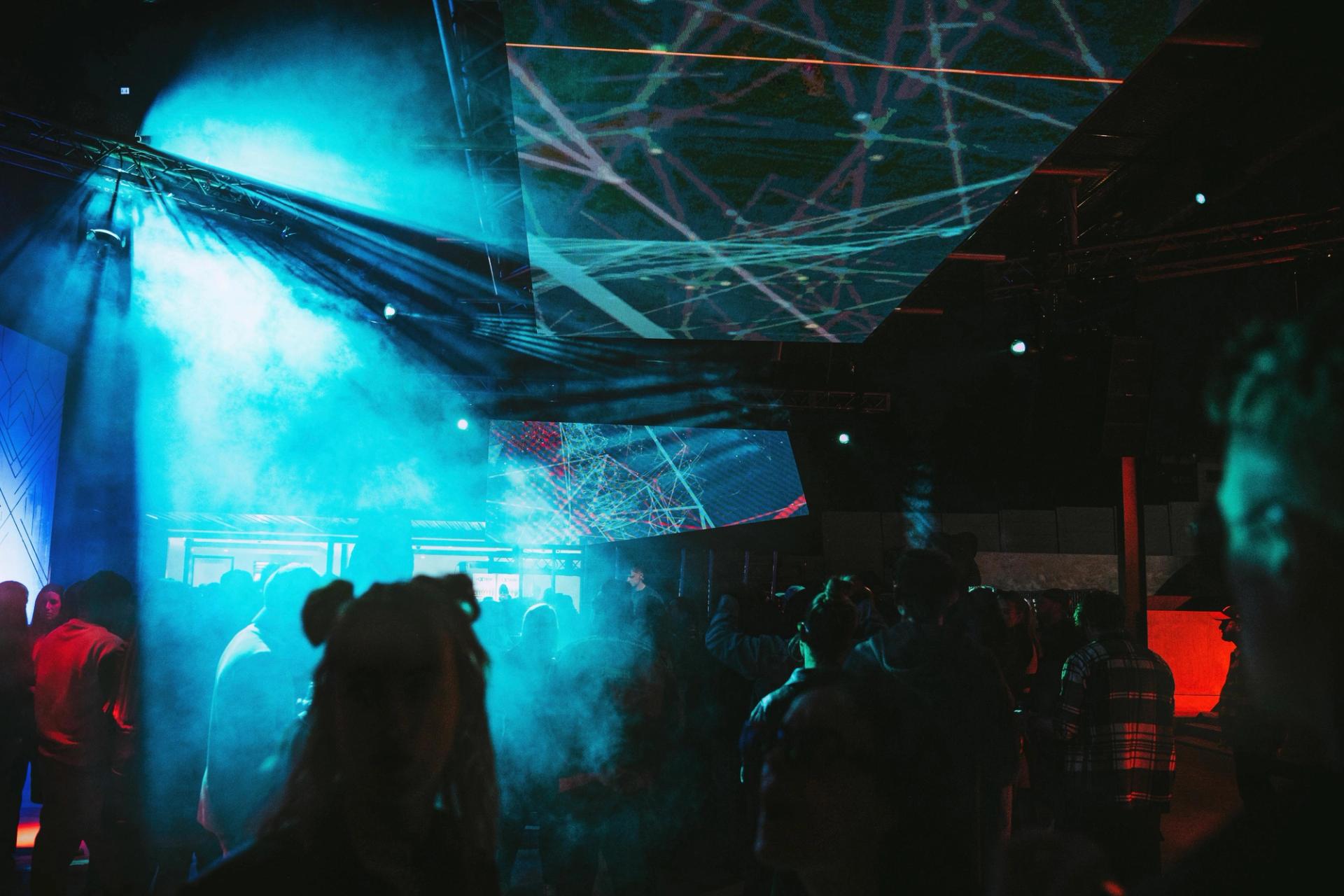
Truth nightclub
In South Africa, the club isn’t the only place where dance music happens. Amapiano developed through a network of informal spaces, township parties, taverns and shebeens as well as established clubs. Dance itself is also central to the culture: songs frequently inspire their own choreography, helping tracks spread through communities and eventually across social media.
That relationship between music, dance and community has helped make amapiano particularly powerful online. A track isn’t necessarily finished when it leaves the studio; dancers, DJs and audiences all participate in giving it a life.
This is one reason the genre has been difficult for the traditional music industry to control. It grew through networks of people who were already making, sharing and responding to music long before the international industry arrived.
The Challenges
The global success of South African dance music hasn’t erased the inequalities that shaped it. South Africa remains one of the world’s most unequal societies, and access to the music industry is still uneven. Artists from Black township communities often find themselves creating the culture that international brands and corporations later profit from, while having far less access to the resources required to build sustainable careers.
This tension has been visible throughout South African dance music. As the international industry has taken greater notice, concerns have remained around who receives airplay, sponsorship, investment and recognition — and who benefits financially when grassroots sounds become global commodities.
Amapiano’s extraordinary rise has brought opportunities for artists and producers, but international attention can also flatten the complexities of where a genre came from. A sound created within specific communities can quickly become marketed as the latest global trend, detached from the people and places that created it.
Looking to the Future
There is no single Johannesburg sound. Instead, there is an evolving conversation between house, kwaito, amapiano, Afro house, gqom and countless other influences, with young producers continuing to build music using whatever tools are available to them.
It’s beautiful to see culture that began in townships and informal spaces become such a global cultural force. But it’s crucial to remember this sound isn’t just a fad. It’s a musical form of Black South African expression. And the fact is, the next international genre may well be playing in a Johannesburg bedroom studio, shebeen or township party long before the rest of us get to hear it.