Notting Hill Carnival’s Most Iconic Soundsystems
This year, one of the world’s most iconic street parties and celebrations of Caribbean culture turns 60. Taking over the streets of west London on Sunday 30 and Monday 31 August 2026, Notting Hill Carnival is a celebration of Caribbean music, community and culture. So let’s take a look at some of its most iconic sound systems and what to look out for at this year’s Carnival.
A brief history of Notting Hill Carnival
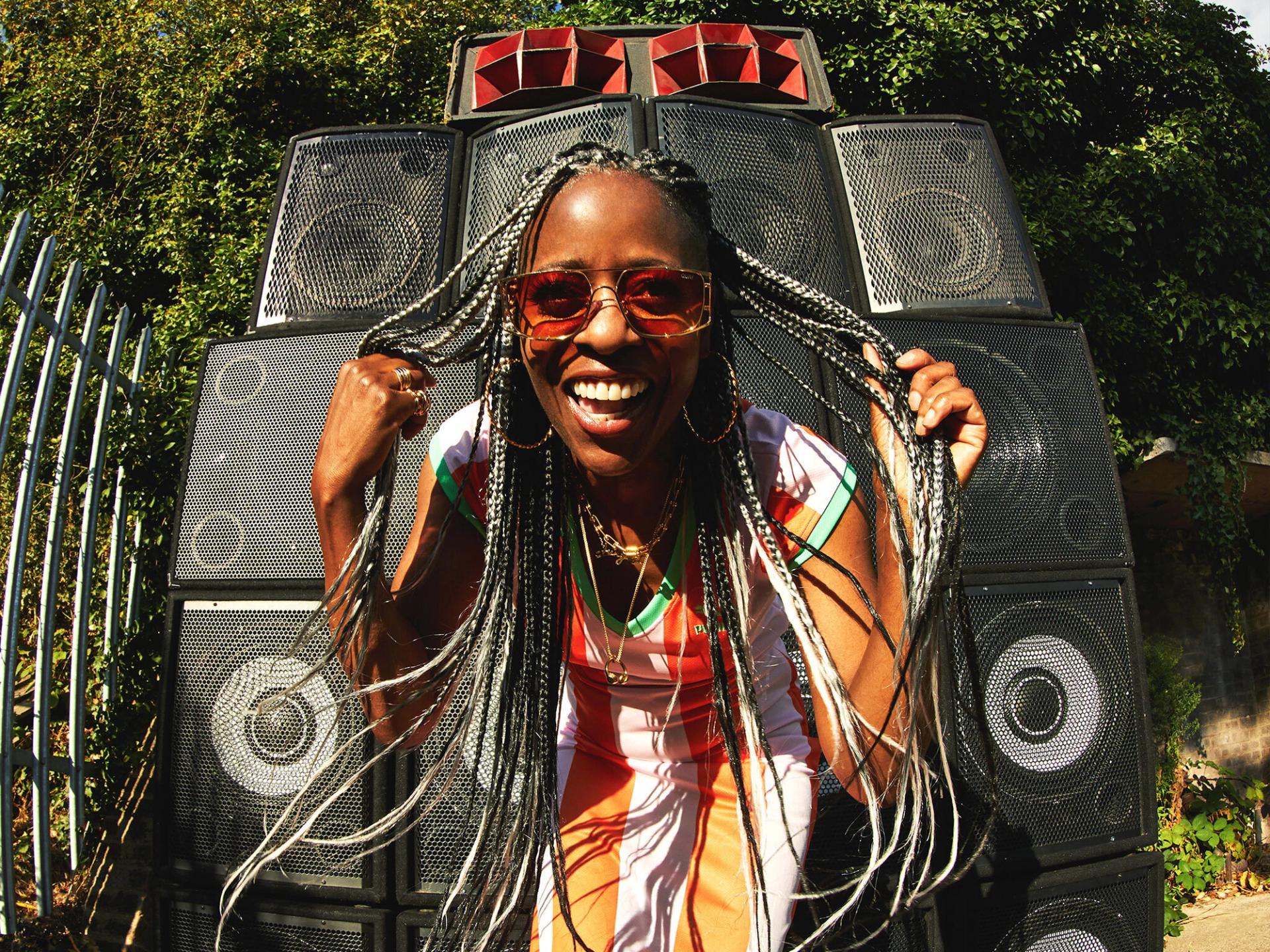
The Notting Hill Carnival has two key starting points: the indoor precursor events, organised by Trinidadian activist Claudia Jones on 30 January 1959, and the first official outdoor street festival in Notting Hill, which took place in September 1966.
Rooted in Caribbean culture and music, particularly Jamaican reggae, sound systems were officially introduced to the Carnival in 1973. Created by the Caribbean communities that settled in west London during the Windrush era, Carnival was a powerful act of resistance and reclamation in the face of the racism and violence experienced by the community, including the 1958 Notting Hill riots.
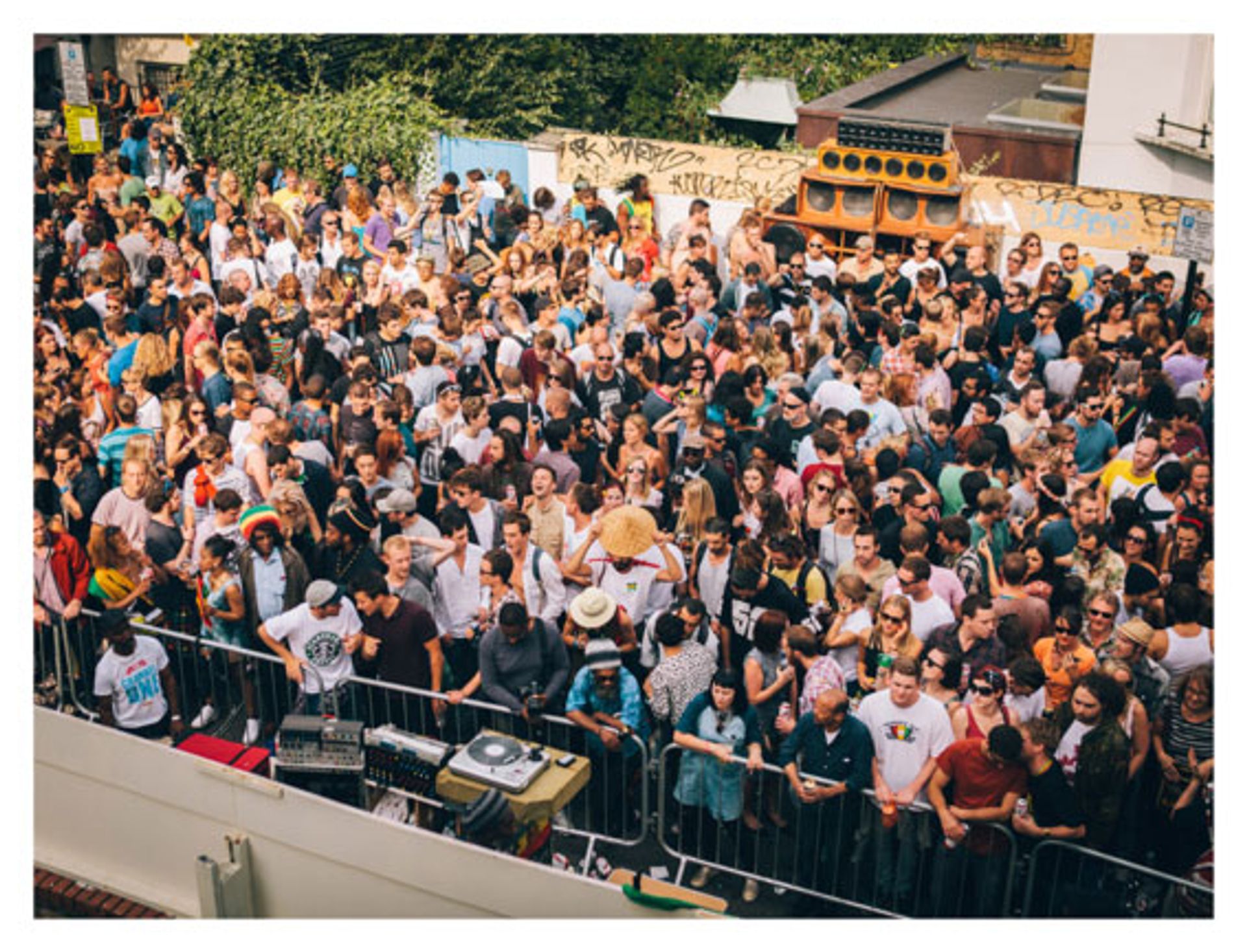
Today, more than 30 static sound systems span the streets, reflecting the breadth of London’s musical culture, from dub, rare groove and house to jungle, samba, blues and hip hop.
Channel One Sound System
Founded by brothers Michael and Trevor Bailey in the late 1970s, Channel One Sound System grew out of London’s Caribbean blues-party and Shebeen culture, taking its name from Jamaica’s legendary Channel One studio.
This sound system first played Notting Hill Carnival in 1982 and have returned almost every year since, becoming one of its most iconic sound systems. Led by original selector Mikey Dread, Channel One is known for heavyweight hand-built sound, roots reggae, dubplates and steppers, alongside conscious Rastafarian vocals and chanting.
Their mission to “break down barriers via reggae music” has led them to perform at festivals and clubs around the world.
Saxon Sound System
This is a legendary reggae and dancehall powerhouse founded by Lloyd ‘Musclehead’ Francis and Denis Rowe in 1976. Emerging from southeast London’s house parties and blues dances,they’re now one of the UK’s most internationally recognised sound systems. Saxon helped shape British reggae culture through its exclusive Jamaican imports, custom-built sound system and pioneering “fast chat” MC style.
The sound became a launchpad for artists including Maxi Priest, Tippa Irie and Smiley Culture, while its influence extended into the development of later UK genres including jungle, drum & bass, UK garage and grime. Saxon made history as the first UK sound system to win Jamaica’s World Clash in 1994 and remains a major presence at Notting Hill Carnival with a stage that attracts thousands of people each year.
Rampage Sound
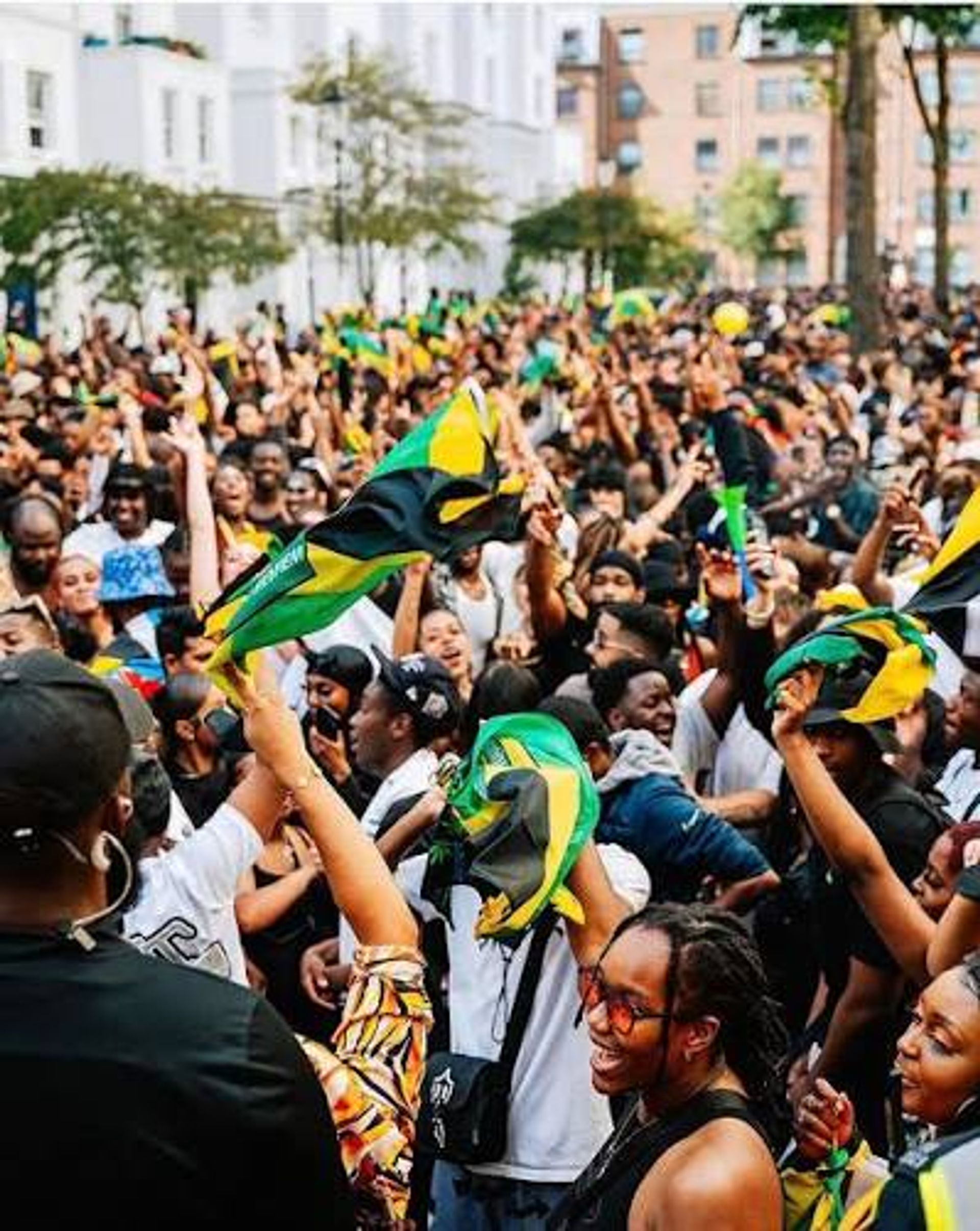
This massive hip-hop and dancehall stage holds takes up an entire dedicated street. Rampage Sound System, founded by Mike Anthony in 1992, is a legendary London sound system with roots in Notting Hill. Rampage is the largest of Carnival’s 38 static sound systems, attracting more than 15,000 people and uniquely occupying an entire street across both Carnival days. Known for pioneering multi-genre and multi-deck mixing, the crew has built a career spanning club culture, broadcasting and touring, including 15 years with the BBC and DJing for artists such as Kanye West, Jay-Z, Nas and Usher. Their Carnival stage has provided a platform for major and emerging UK and international artists, from Stormzy, Wiley and Dizzee Rascal to Sean Paul, Shaggy and Buju Banton.
Different Strokes
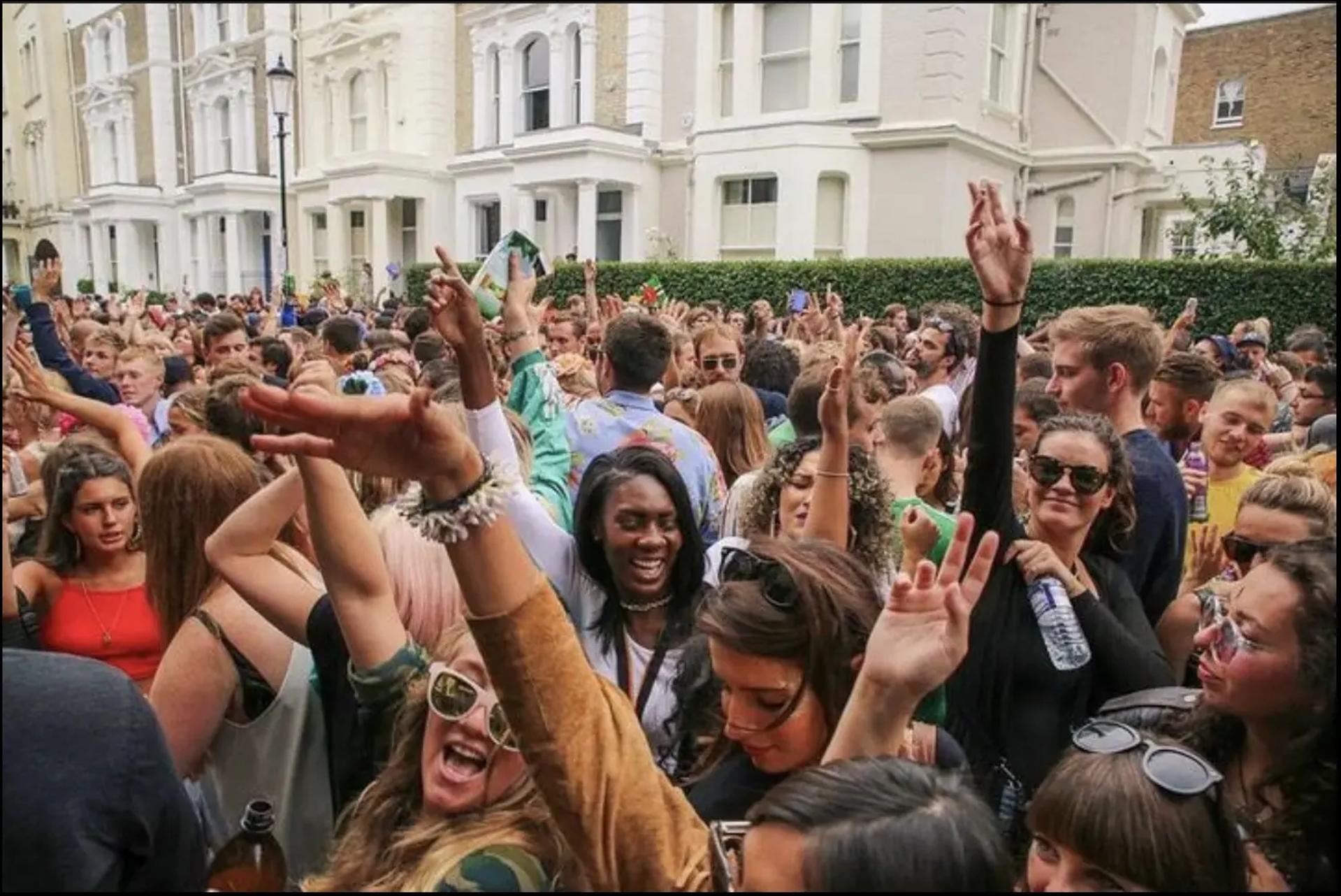
This crew delivers heavy doses of jungle, drum and bass, and hip-hop. South London-based,Different Strokes is a family-run sound system that emerged in the early 1990s and made its Notting Hill Carnival debut in 1993. Founded by Daddy Noddy, the sound has since been passed down to his son Riper Don, who now leads the next generation of the family operation.
Reflecting the diverse musical tastes of London’s sound system culture, Different Strokes moves across reggae, dancehall, R&B, hip hop, house, garage and jungle, uniting sounds from across Caribbean and British music traditions. Their longevity at Carnival is also a testament to the role of family, community and intergenerational knowledge in keeping London’s sound system culture alive.
A topline for Notting Hill Carnival 2026
Saturday 29th August – UK National Panorama Steelband Competition (ticketed event)
Sunday 30th August – Families & Children’s Day: J’Ouvert, Children’s Parade & Carnival (free to all)
Monday 31st August – Adults’ Day: Adults’ Parade & Carnival (free to all)
What to expect
70+ sound systems serving up reggae, soca, afrobeat, jungle, drum & bass and more
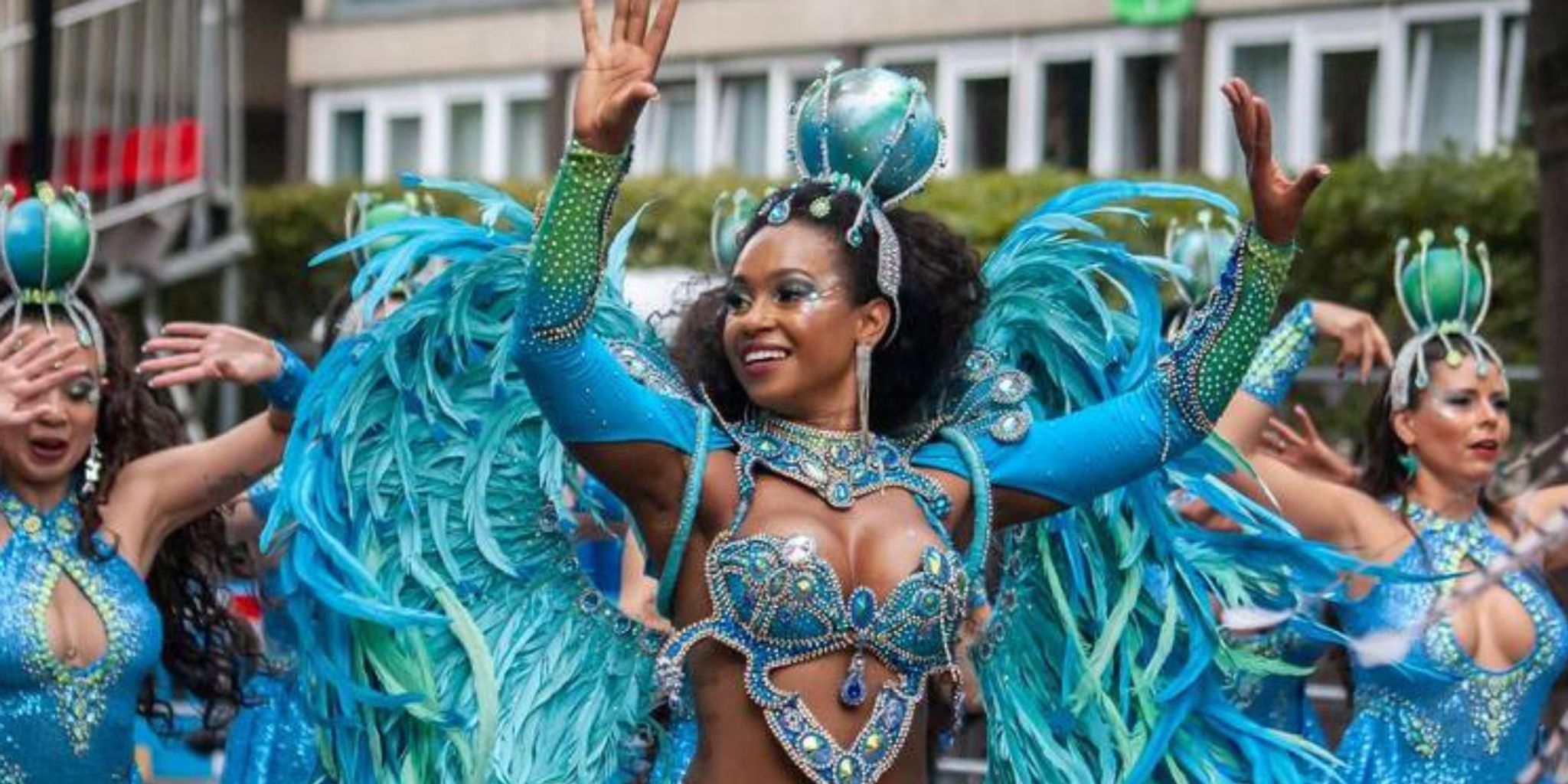
Parade floats exploding with feathers, sequins, and high-energy dancing
Steel pan bands competing in Panorama on Sunday night
Street performers turning corners into stages
Crowds, colour, and community energy that lights up the streets
And don’t forget the food
Jerk chicken cooked over smoking oil drums
Sweet fried plantain and spicy doubles
Hot, flaky patties and soft roti wraps
Ice-cold coconut water and fruity rum punch (for the adults!) to cool you down
Key events
As well as those aforementioned sound systems, make sure you check out the following:
Panorama - the UK's biggest steel pan competition takes over Emslie Horniman Pleasance Park on Saturday August 29.
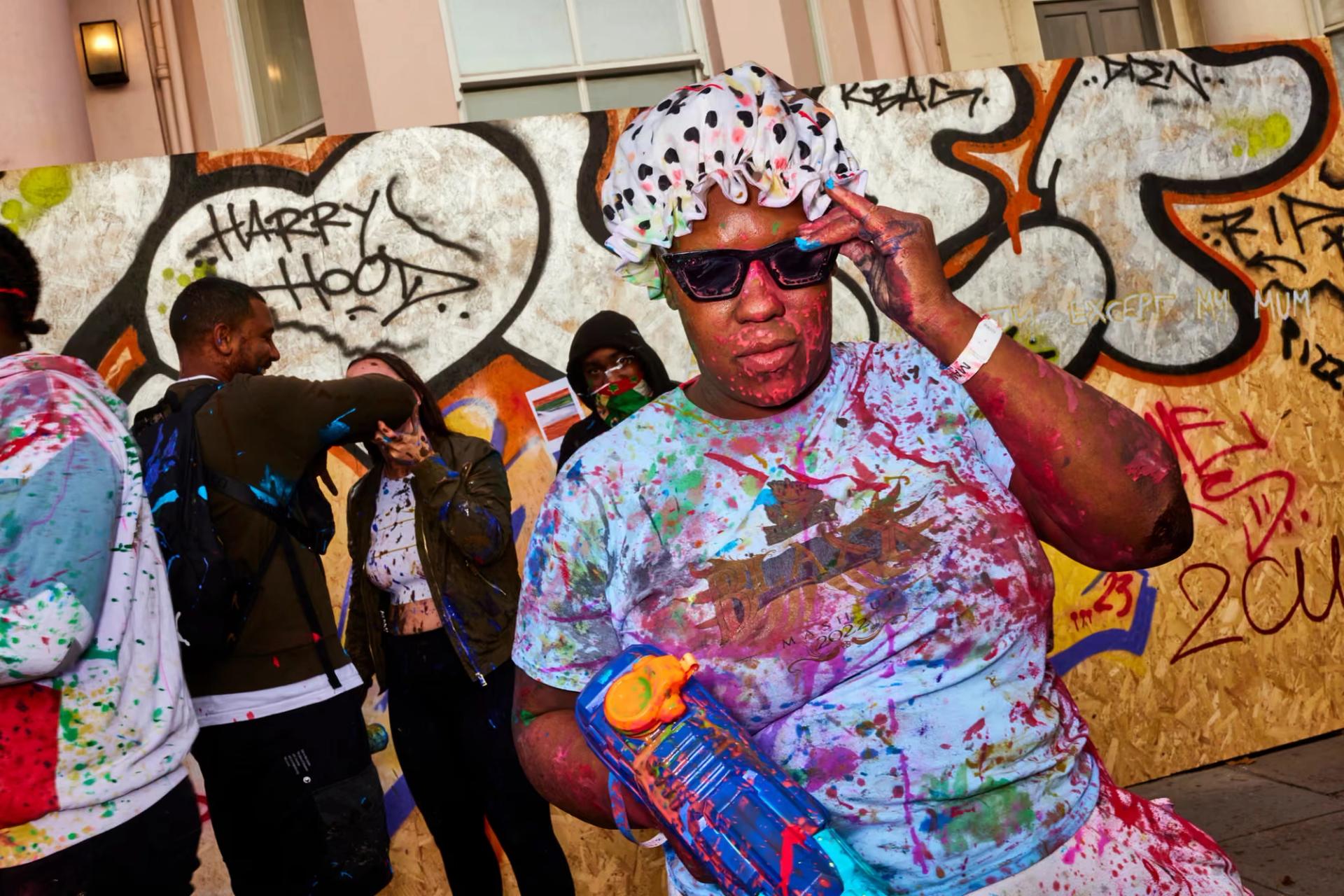
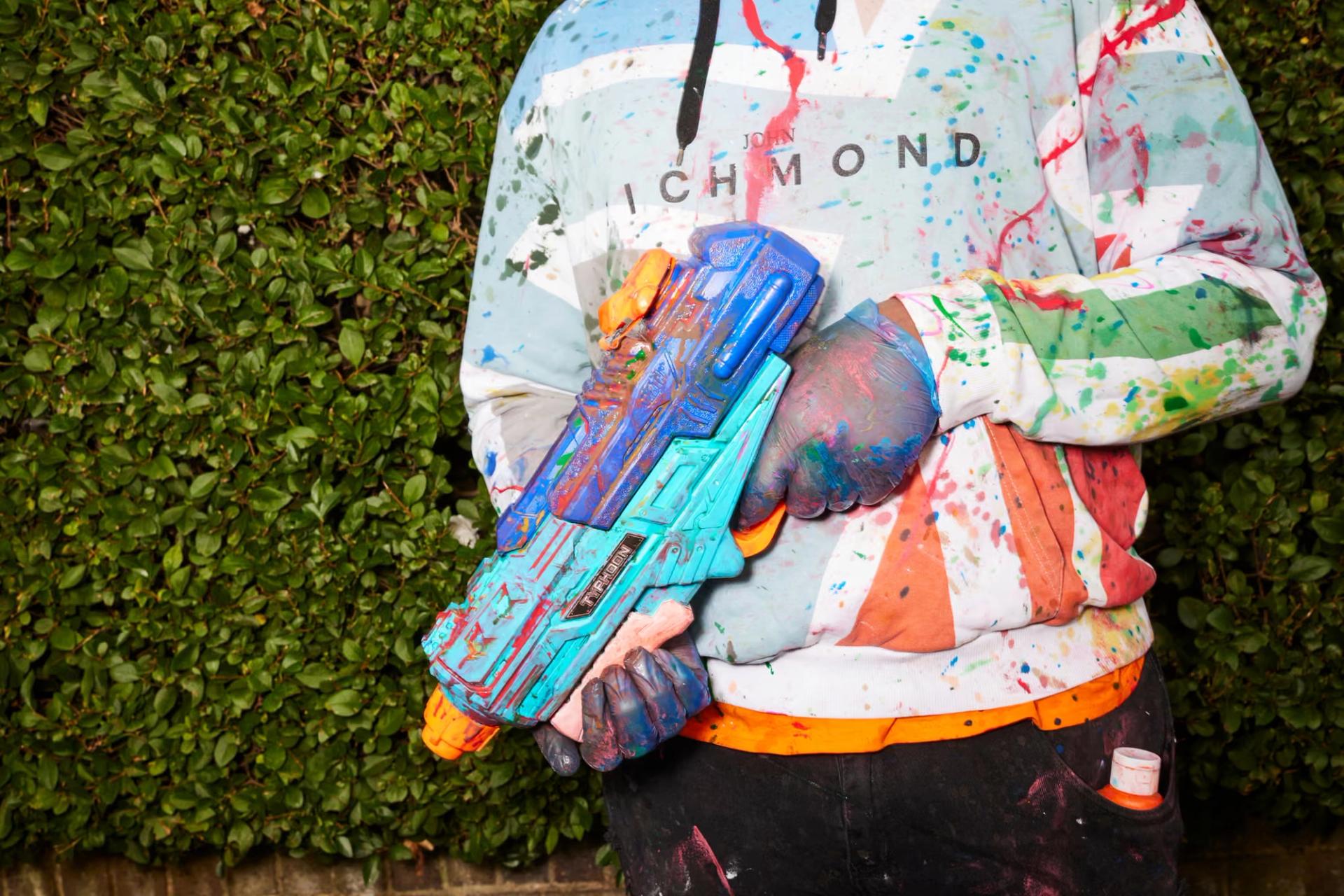
J'ouvert. A pre-dawn celebration where participants cover each other in paint, powder and chocolate, soundtracked by steel bands. Sunday August 30, 6am to 9pm.
Opening Ceremony. Local residents, participants, carnival officials and friends of the event gather for the official opening ceremony at 10am Sunday, August 30.
Children’s Parade. This family-friendly morning event sees kids dancing in the streets in their homemade Carnival costumes. Sunday August 30.
Dutty/Fun Mas. Soak up the colours of carnival literally at this event, where spectators are splashed with paints, powder and more. Sunday August 30.